

A quality organic coffee brand earns trust through a chain of choices that starts long before roasting day. The coffee must come from a farm with sound growing practices, move through harvest and processing with care, and arrive in a bag with claims a buyer can actually check. A pretty label cannot replace that work.
Organic certification gives shoppers a useful starting point, but it cannot explain every decision that shaped the coffee. When comparing organic coffee brands, look for clear information on sourcing, processing, roasting, and testing. Those details make it easier to tell substantiated claims from general marketing language.
The Farm Sets the First Standard
Coffee farmers make dozens of decisions before a cherry reaches a mill. Soil management, pest control, shade cover, water use, and record-keeping all affect the crop and its surrounding ecosystem. Organic production gives those decisions a formal framework rather than leaving them to a brand’s own definition of clean farming.
In the United States, USDA organic standards set production and handling requirements that an accredited certifier must verify before a product can carry the certification. For crops, that includes limits on prohibited substances and rules for soil, pest, and weed management. A credible coffee company should name its certification clearly instead of relying on loose phrases such as “natural” or “chemical-free.”
The certification still has boundaries. It does not measure how sweet a coffee tastes, how fresh it is, or whether the company has tested the roasted coffee for contaminants or other substances. It tells shoppers that a defined set of farming and handling rules applied. A thoughtful buyer treats it as the first piece of evidence, not the final verdict on quality.
Traceability Should Have Useful Detail
Country of origin is a practical starting point. It tells a buyer more than a generic claim about premium beans, or the generic “blend”, and it puts a brand’s roast profile in context. A coffee company does not need to print a farmer’s biography on every bag, but it should be able to identify the country, region, or cooperative behind a product.
That information also creates accountability. If a roaster buys the same lot year after year, it can give producers feedback on cherry selection, moisture levels, and cup character. If it changes origin, it can explain why. A vague blend (meaning several origins in the same coffee) can still make an enjoyable cup, yet it asks the buyer to accept based on trust, if the blend input is not specified, or even changes over time?.
Careful Processing Protects the Harvest
Quality can disappear quickly after picking. Coffee cherries need timely sorting, pulping or drying, and storage that protects the beans from excess moisture. A brand that talks about farming but says nothing about post-harvest handling leaves out one of the most sensitive stages of the supply chain.
Certification and contamination screening answer different questions. The FDA notes that coffee can be susceptible to molds that produce mycotoxins, and conditions during production and storage affect that risk. For that reason, a clean-coffee claim carries more weight when a company states what it tests for, who performs the testing, and how often it occurs.
Some organic coffee brands turn to laboratory tests.. The useful details are concrete: a brand identifier, a defined testing panel, and an independent laboratory. That type of disclosure gives a shopper something specific to evaluate; a stand-alone mold-free claim, for which no certification exists, is not that useful.
Roast Profiles Need an Honest Explanation
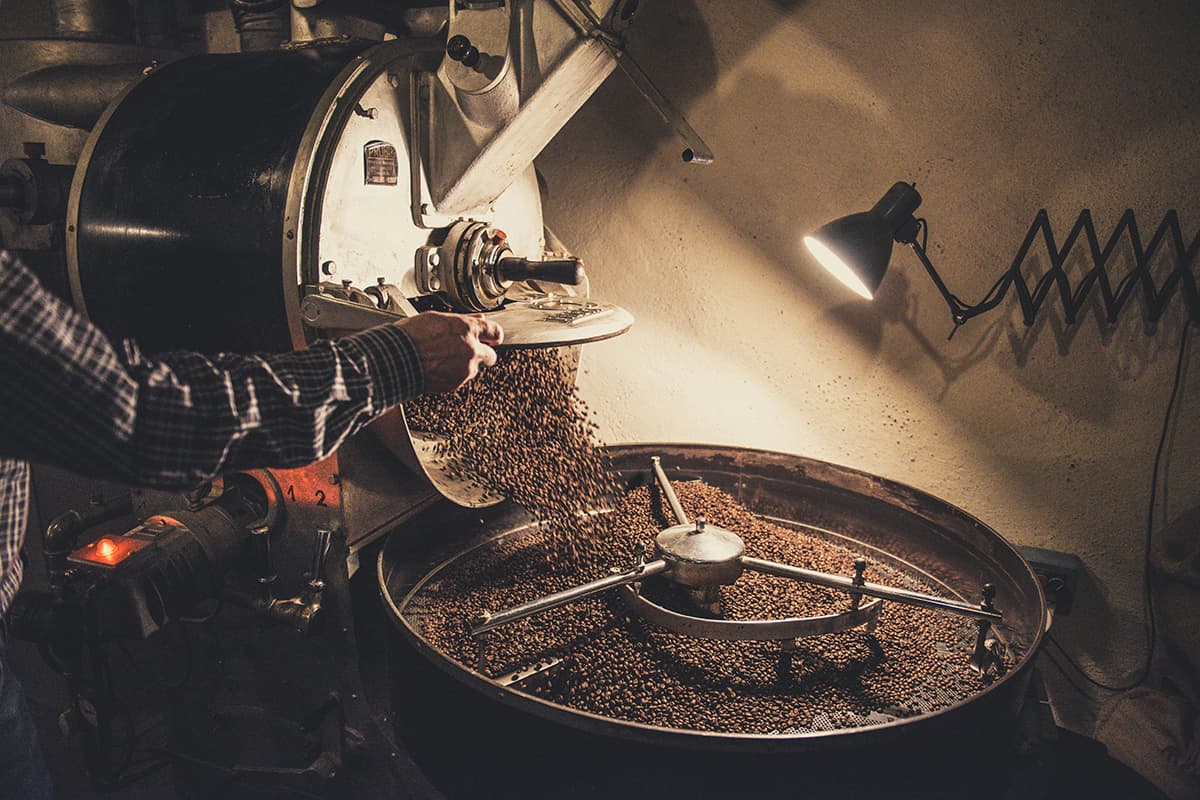
Roasting determines how much of a coffee’s own character remains in the cup. Lighter roasts often preserve more floral or fruit-like notes, while darker roasts bring heavier roasted flavors and a fuller body. Neither choice is automatically superior, but rather flavor and taste profile. The goal is to match the roast to the bean and brew method without hiding weak green coffee behind smoke or bitterness.
Acidity needs the same level of care. Some drinkers prefer a gentler profile, but low acidity is not a medical treatment or the result of one roast color. Bean variety, altitude, climate, processing, and roast development all matter. Those who experience heartburn after drinking coffee can look for brands that specialize in low-acid beans. In most cases, lower acidity comes from bean selection and roast development rather than a chemical process.
Freshness Must Survive the Final Steps
The best sourcing story loses value if coffee sits too long before brewing. Whole beans usually retain aroma and flavor better than ground coffee, although ground coffee can be the sensible choice for a busy household. Pods and instant coffee add convenience, and decaf gives people a way to keep coffee in their routine later in the day, without ruining sleep. Quality brands make those trade-offs transparent instead of implying that one format suits everyone.
Packaging and fulfillment deserve attention, too. Bags that keep light out, close properly and carry a one-way valve to let CO2 escape protect roasted coffee from light and air, and the valve is also a sign the coffee was bagged fresh. Clear subscription terms, return policies, and the ability to choose a one-time order instead of being locked into a subscription right away also show whether the company respects the buyer after checkout.
Five Questions for the Coffee Shelf
Before choosing a bag, pause long enough to look past the front label. These checks work for a familiar favorite or a brand you have never tried:
- Does the product carry a named organic certification rather than a vague environmental claim?
- Can the brand identify where its coffee comes from, at least to the country or region?
- Does it explain how it handles testing or freshness?
- Does the roast description tell you what to expect without making inflated health claims?
- Does the available format fit the way you actually brew and drink coffee?
The Cup Tells the Rest of the Story
Great coffee still has to taste good in an ordinary kitchen on an ordinary morning. Yet flavor is easier to judge when the basics are already in place: verified organic practices, useful traceability, careful processing, honest roast information, and clear evidence behind purity claims. Those are the details that turn this language into a standard that organic coffee brands can meet.





There aren't any comments left behind yet you can be the very first to comment!