
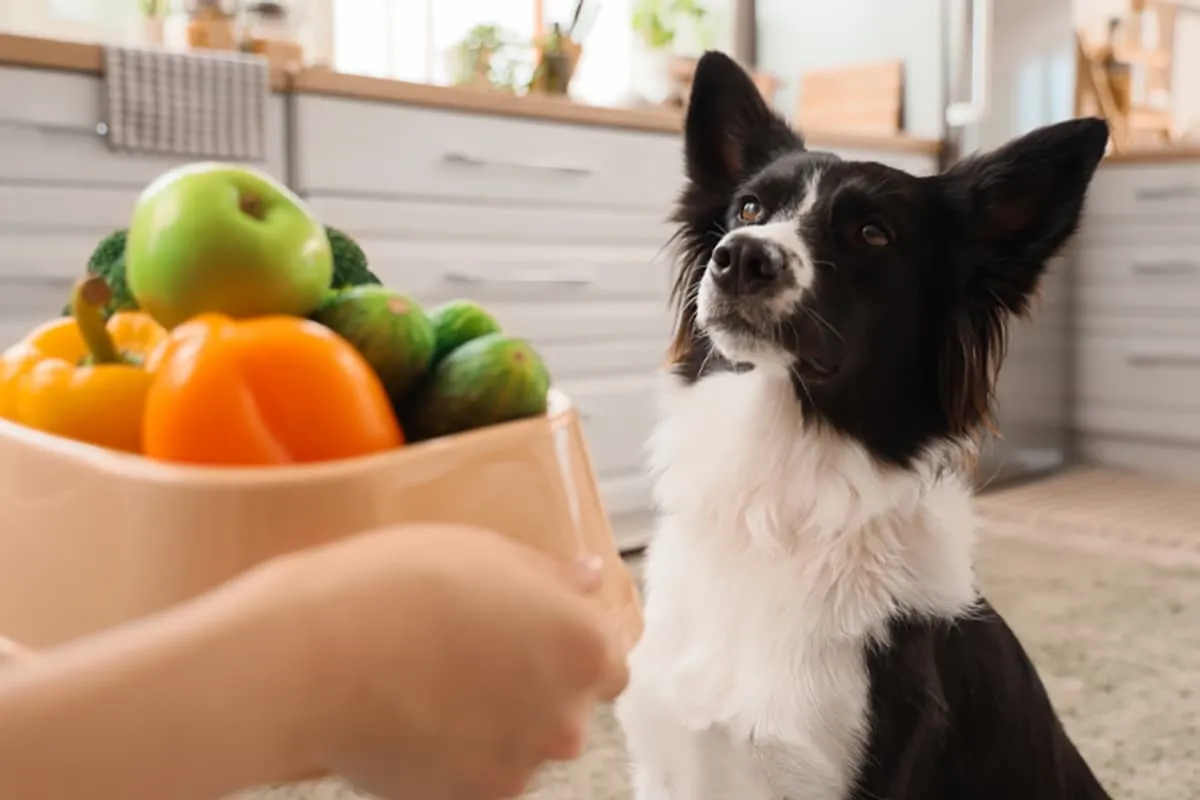

Many dog owners enjoy sharing food with their pets, especially when preparing homemade treats or adding variety to their dog’s diet. The good news is that several everyday ingredients found in most kitchens can be safe and beneficial for dogs when used correctly.
Items like oats, apples, and plain yogurt are often included in both human recipes and homemade dog snacks because they provide simple nutrients without unnecessary additives.
Still, feeding dogs from the pantry requires a thoughtful approach. Not every human food is appropriate for dogs, and even safe ingredients should be served in moderation. Understanding which foods are suitable and how they contribute to a balanced diet can help you make smarter choices when preparing treats or supplementing meals.
Pantry Foods Don’t Cover Every Nutritional Need
Although these ingredients can contribute to a healthy routine, they don’t provide all the nutritional needs for your dogs. Dogs require a specific combination of nutrients that supports energy levels, muscle health, digestion, and immune function.
That’s why you need additional ways to support your dog’s health, in addition to homemade foods. Companies such as Pup Labs focus on products designed to complement everyday diets and help pet owners address areas that simple pantry ingredients may not fully cover.
For example, you can complement homemade treats or add fresh ingredients to meals, and also look for supplements to support digestion, skin health, or general wellness. Vet-approved supplements available at https://puplabs.com/ alongside balanced meals can support your dog’s health while allowing you to continue incorporating fresh, simple foods from their kitchens.
Why Pantry Ingredients Appeal to Dog Owners
Homemade treats have become popular for transparency. When you prepare snacks at home, you know exactly what your dog is eating. That level of control can be reassuring for owners who want to avoid artificial flavors, preservatives, or unnecessary fillers often found in processed treats.
Another advantage is convenience. Many of the ingredients that work well for dogs are already part of everyday cooking. Instead of buying specialty products, owners can often repurpose common foods already in their pantry.
Below are 10 dog-friendly ingredients you likely have in your kitchen, along with practical ways to use them safely.
10 Dog-Friendly Ingredients You May Already Have
Several simple ingredients can support your dog’s diet when used in appropriate portions. Here are ten commonly recommended options.
1. Pumpkin
Plain canned pumpkin (not pumpkin pie filling) is frequently used in dog treats. It contains fiber and moisture, which can help support digestion. Many owners add a spoonful to meals or incorporate it into baked dog biscuits.
2. Plain Yogurt
Unsweetened yogurt with live cultures can provide probiotics that help support digestive health. When serving yogurt to dogs, choose varieties without added sugar or artificial sweeteners.
3. Oats
Oats are a gentle grain often used in homemade dog treats. They provide fiber and can be a good alternative to wheat for dogs with certain sensitivities.
4. Apples
Fresh apple slices make a crunchy snack. Just remove the seeds and core before serving. Apples provide natural sweetness along with vitamins and fiber.
5. Carrots
Carrots are widely known as a safe and crunchy snack for dogs. They can be served raw as a chew-friendly treat or cooked and mixed into meals.
6. Peanut Butter
Natural peanut butter is often used in homemade dog biscuits and enrichment toys. It’s important to check labels and avoid products containing xylitol, which is toxic to dogs.
7. Sweet Potatoes
Cooked sweet potatoes can be mashed or baked into treats. They provide fiber and natural carbohydrates that many dogs enjoy.
8. Blueberries
These small fruits are often used as bite-sized rewards during training sessions. You can also freeze blueberries for a refreshing snack.
9. Eggs
Cooked eggs are a simple source of protein and can be mixed into a dog’s meal occasionally. They should always be fully cooked before serving.
10. Rice
Plain white or brown rice can be a gentle food option when dogs have upset stomachs or need easily digestible meals.
While these foods are generally considered safe, you should still serve them thoughtfully and as part of a balanced diet.
Tips for Safely Using Kitchen Ingredients for Dogs
Even when foods are considered dog-friendly, a few practical guidelines can help ensure they remain safe and beneficial.
Watch Portion Sizes
Dogs are smaller than humans and have different calorie needs. Even healthy foods can lead to weight gain if served in large quantities. Small portions are usually the safest approach.
Avoid Harmful Additives
Certain ingredients commonly found in human foods can be dangerous for dogs. Always avoid onions, garlic, chocolate, grapes, and artificial sweeteners.
Prepare Foods Simply
Dogs do best with simple preparation. Steamed, baked, or plain raw ingredients are typically better than foods cooked with oils, salt, or seasoning.
Introduce New Foods Gradually
Any new ingredient should be introduced slowly. Starting with small amounts helps monitor how a dog responds and reduces the chance of digestive upset.
Pair Treats With a Balanced Diet
Homemade treats and fresh ingredients work best as supplements to a nutritionally complete dog food rather than replacements for it.
Making the Most of What’s Already in Your Kitchen
One of the easiest ways to get started with homemade dog treats is by combining a few pantry staples. For example, you can use oats, pumpkin, and eggs to form the base of simple baked dog biscuits. You can also mix peanut butter and yogurt into frozen snacks during the warmer months.
These small additions give dogs variety while allowing you to control the ingredients being used. Over time, many pet owners find a rhythm that blends store-bought meals, homemade snacks, and occasional nutritional support products.
The goal isn’t perfection but balance. Using safe ingredients from your kitchen can be a rewarding way to treat your dog while strengthening the bond between you and your pet.
Conclusion
A surprising number of dog-friendly ingredients are already sitting in most kitchens. Pumpkin, oats, apples, carrots, and yogurt are just a few examples of foods that can safely be shared with dogs when prepared correctly.
Still, homemade treats should complement a balanced diet rather than replace it. Paying attention to portion sizes, avoiding harmful ingredients, and introducing foods gradually can help ensure dogs benefit from these additions.


There aren't any comments left behind yet you can be the very first to comment!