
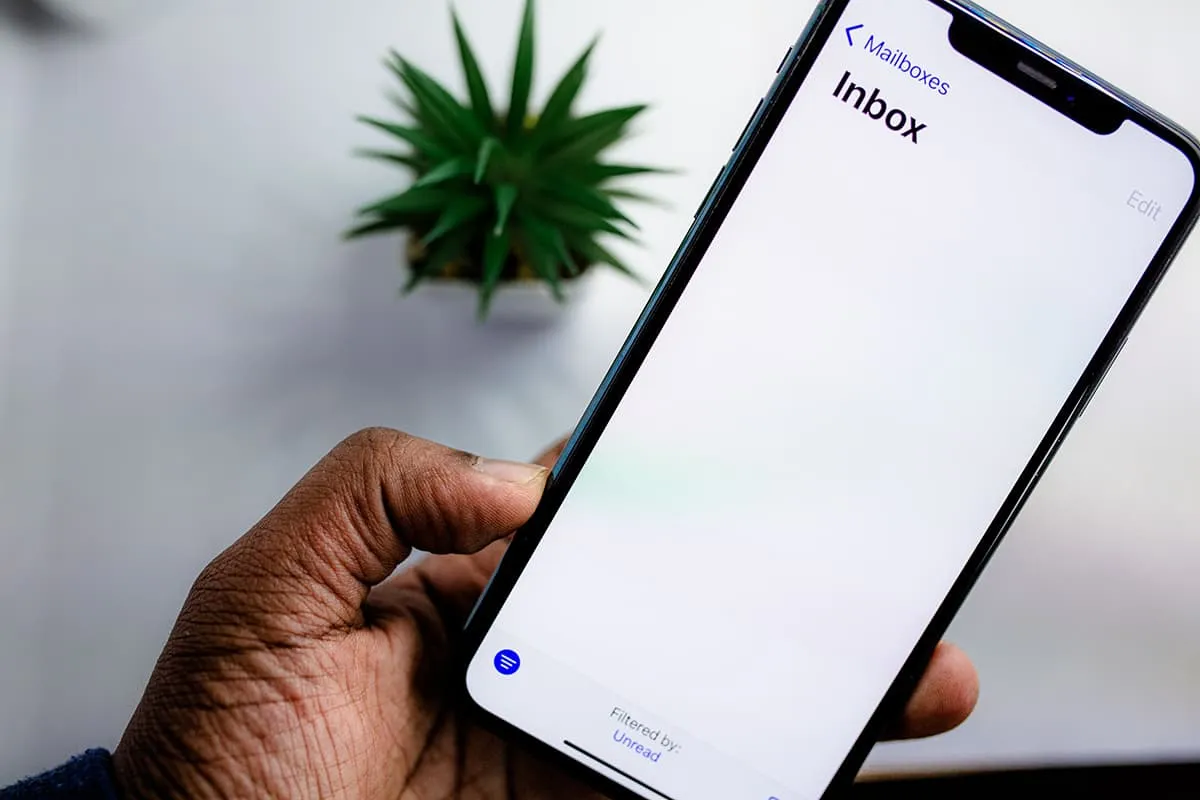

The odd thing is that most home cooks are perfectly organised in the kitchen and completely disorganised about the place their ideas arrive. The store cupboard has a system. The freezer has labels. But their email inbox holds four years of recipes in no order whatsoever, which is why Thursday evening so often ends with the same three dinners on rotation.
Give food its own inbox to land in
The most useful change is separating the cooking from everything else. Whether that means a dedicated folder with rules or a separate address entirely, the point is that recipes and food writing stop competing with bills and work.
A second mail account used only for food newsletters works particularly well, because it turns reading them into something you choose to do on a Sunday morning with coffee, rather than something that interrupts you on a Tuesday. Sign up freely with it. That is what it is there for.
Save the ones you'll actually cook
Collecting is not the same as cooking, and most of us collect far more than we will ever make. A simple filter helps: if you cannot name the week you would cook it, do not save it.
For the ones that pass, build three folders. This month, seasonal, and someday. Seasonal is the useful one, because it means that when figs appear in October or the first proper cold weather arrives, you already have four things waiting rather than starting from nothing. A browse through a good recipe index is a decent way to fill those folders deliberately instead of hoping the right email turns up.
Turn saved recipes into an actual plan
Meal planning fails when it starts from a blank page on a Sunday evening. It works when you are choosing from a shortlist you already trust.
Pick four from the folder. Write the shopping list from those four. Leave the other three nights loose for leftovers, something quick and whatever the vegetable drawer demands. That is a plan you will still be following on Wednesday, which is more than can be said for a full seven-day grid.
Deal with the lists you never wanted
Some of the clutter has nothing to do with food. It comes from shops that added you at checkout and sites that took an address before showing a price. In the UK, the rules on this are clearer than most people assume, and the Information Commissioner's Office sets out what to do when marketing emails will not stop, including how consent and opting out are supposed to work.
Twenty minutes of unsubscribing does more for the quality of your cooking inbox than any app. The newsletters left standing are the ones you genuinely read.
Good cooking at home has never really been about ambition. It is about having a decent idea available at half past six on a weeknight when you are tired and the shops have shut. Everything above is just a way of making sure the idea is there when you need it.
There aren't any comments left behind yet you can be the very first to comment!