
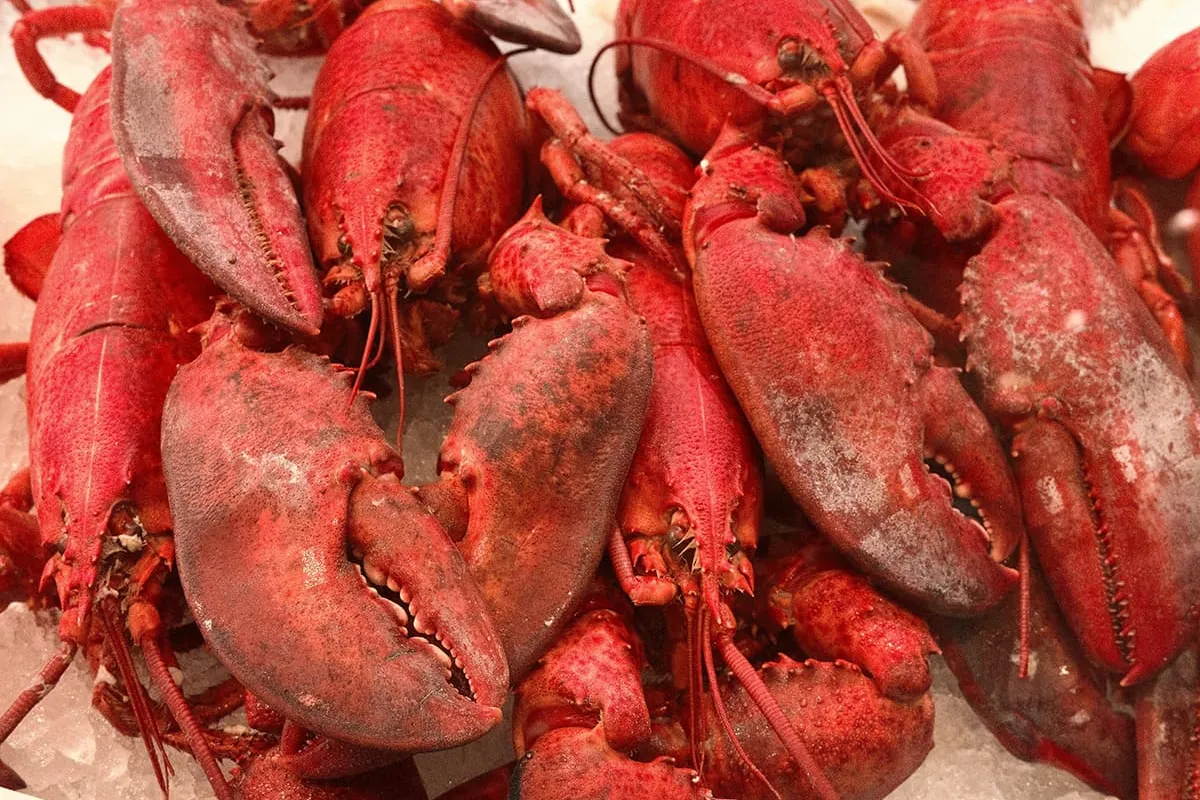

Lobster has a reputation for being difficult to cook at home, and most of that reputation is undeserved. The fundamentals are not complicated. What separates a good result from a disappointing one is usually timing, temperature control, and starting with quality ingredients, not technique.
Most first-time mistakes with lobster trace back to overcooking, using the wrong variety, or handling live lobster without knowing what to expect. A structured approach takes the guesswork out of most of that. This guide walks through everything a beginner needs: how to choose and store lobster, which cooking method to use, how to extract the meat cleanly, and how to avoid the mistakes that ruin the texture. Sourcing matters too, and providers like LobsterAnywhere make it easier to get properly handled lobster delivered to your door, which removes one of the biggest variables before you even start cooking.
Understanding Lobster Before You Cook
Not all lobster behaves the same way under heat, and knowing the difference before you start saves a lot of frustration.
The most important distinction for a beginner is cold-water versus warm-water lobster. American cold-water lobster is the standard for virtually every recipe you will find, and substituting spiny lobster in its place leads to uneven results because the meat behaves differently. Stick to cold-water lobster until you have a solid handle on the cooking process.
How to Choose and Store Lobster
Choosing the right lobster and storing it correctly has a direct impact on how it cooks and how it tastes. Neither of these steps is complicated, but both are easy to get wrong without a clear picture of what to look for.
Selecting a Live Lobster
- Look for active movement. A lobster that is sluggish or limp has been stressed and will not cook as well.
- Check the shell. It should be intact with no visible cracks or damage.
- Aim for 1.25 to 1.5 pounds. This size cooks evenly and is easier to manage than larger lobsters. Anything over 2 pounds takes longer and is harder to time accurately.
- Keep the bands on the claws until the lobster goes into the pot. This is a safety measure, not optional.
Storage Before Cooking
- Refrigerate immediately. Store in the coldest part of the fridge, ideally below 40°F.
- Keep the lobster damp but not submerged. A damp cloth or newspaper works well. Dry conditions stress the lobster.
- Never use freshwater for storage. It disrupts the lobster's internal balance and degrades quality quickly.
- Cook within 24 to 36 hours. The longer you wait, the more quality you lose.
Tools and Ingredients You Need
You do not need specialized equipment. The list below covers everything required for any of the core cooking methods.
Tools
- Large stockpot with a lid, big enough that the lobster is not crowded
- Tongs for lowering and removing the lobster safely
- Kitchen shears for cutting through shell to extract meat
- Nutcracker or a blunt tool for opening the claws
- Instant-read thermometer, the most important tool on this list
Ingredients
- Lobster
- Salt for the boiling water, roughly 2 tablespoons per quart
- Butter, melted and kept warm for serving
- Lemon
Keep seasoning minimal. Lobster has a natural sweetness that heavy sauces and seasonings work against rather than complement.
Core Cooking Methods Compared
There are four main ways to cook lobster at home. Boiling and steaming are the right starting points for beginners. Grilling and broiling are better suited to tails and require a bit more attention to avoid drying the meat.
One thing that applies across all four methods: do not use shell color as your doneness signal. The shell turns red well before the meat is cooked through. An instant-read thermometer in the thickest part of the tail is the only reliable indicator. Target 140 to 145°F for boiling and steaming.
Step-by-Step: How to Boil a Lobster
Boiling is the most beginner-friendly method. Follow the steps below in order and you will get a consistent result every time.
- Fill a large pot with water and salt it generously. Bring to a rolling boil before adding the lobster.
- Lower the lobster head-first into the boiling water. This is the fastest and most humane approach. Hold it by the body, not the claws.
- Cover the pot and maintain a steady boil. If the water drops to a simmer, adjust the heat. The timing starts from when the boil returns, not when you add the lobster.
- Cook based on size. A 1 to 1.25 pound lobster needs 7 to 9 minutes. A 1.5 pound lobster needs 10 to 12 minutes.
- Check internal temperature in the tail. Insert the thermometer through the underside of the tail. You are looking for 140 to 145°F.
- Remove and rest. Transfer to a cutting board and let it sit for 2 to 3 minutes before handling. It will continue to cook slightly during this time, which is accounted for in the timing above.

How to Extract Lobster Meat
Once the lobster has rested, extracting the meat cleanly is mostly a matter of working methodically and using the right tools. Rushing this step usually means leaving usable meat behind or damaging what you do get.
- Twist off the claws where they meet the body. Give them a firm twist and pull.
- Crack the claws with a nutcracker. Apply pressure at the widest point of the claw, not the joint. One clean crack is better than repeated tapping, which fragments the shell into the meat.
- Extract the knuckle meat. The knuckles sit between the claws and the body. Most beginners overlook this section, but it holds a decent amount of good meat. Use kitchen shears to cut along the shell.
- Separate the tail by holding the body firmly and twisting the tail away with your other hand. Push the tail meat out. Use your thumbs to push the meat through from the wider end. It should come out in one piece.
- Remove the digestive tract. Run a finger or a small knife along the top of the tail meat. The thin dark line running through it is the digestive tract. Remove and discard it before serving.
- Check the legs. The legs hold small amounts of meat but they are worth extracting if you are serving the lobster as a main course. Use a rolling pin to press the meat out from the shell end toward the body.
Using Pre-Prepared Lobster Meat
Handling live lobster is not always practical. Limited time, equipment, or experience can make the process more effort than the occasion calls for. For those working with constraints, options to buy lobster meat online provide access to clean, ready-to-use lobster meat without handling live shellfish. This allows consistent portioning and reduces preparation time considerably.
Pre-prepared lobster meat is well suited to dishes like lobster rolls, pasta, bisque, and salads, where handling and assembly matter more than cooking a whole lobster from scratch. The quality is consistent and the time savings are significant, especially for weeknight cooking or larger gatherings where cooking multiple live lobsters would be impractical.
Common Mistakes and How to Avoid Them
Most problems with home-cooked lobster come from a small set of errors that are easy to prevent once you know what to watch for.
How to Achieve Restaurant-Quality Results at Home
Restaurant lobster tastes the way it does because professional kitchens exercise restraint. The lobster is the dish. Everything else supports it without competing.
The four things that actually determine quality at home:
- Timing: cook to temperature, not to color or a fixed clock. Every lobster is slightly different.
- Temperature monitoring: an instant-read thermometer is not optional if you want consistent results.
- Minimal seasoning: salt in the water and butter with lemon for serving. That is genuinely all the lobster needs.
- Resting: two to three minutes off heat before you handle it. Skipping this step loses moisture and makes extraction harder.
The more you add to a lobster dish, the more likely you are to mask the quality of the ingredient. Simplicity is not a limitation. It is the whole point.
Simple Serving Ideas That Work
The best lobster preparations let the meat carry the dish. These formats work well because they add without overcomplicating:
- Melted butter and lemon: the classic presentation. Brown the butter slightly for more depth.
- Lobster roll: cold-water lobster, light mayo dressing, toasted split-top bun. Keep the filling simple.
- Lobster pasta: toss cooked meat through pasta with butter, garlic, and a splash of pasta water. No heavy cream needed.
- Chilled lobster salad: dressed lightly with lemon, tarragon, and a little olive oil. Good for using pre-prepared meat.
All of these work because they treat the lobster as the centerpiece rather than one ingredient among many. That is the same logic restaurants apply, and it translates directly to a home kitchen.
Frequently Asked Questions
What is the easiest way to cook lobster for beginners?
Boiling is the most straightforward. A large pot of salted water, the right timing based on lobster weight, and a thermometer to confirm doneness are all you need. The process is predictable and the results are consistent once you have done it once or twice.
How do I know when lobster is fully cooked?
Check the internal temperature of the tail with an instant-read thermometer. It should read 140 to 145°F. The meat should be opaque and firm when you cut into it. Shell color alone is not a reliable signal because it turns red well before the meat is done.
Is steaming better than boiling lobster?
Steaming preserves a bit more flavor because the lobster is not submerged in water, but the difference in the final result is modest. Boiling is simpler and more forgiving for beginners. Either method works when timing is controlled properly.
Can I cook lobster without handling a live one?
Yes. Pre-prepared lobster meat removes that step entirely and is a perfectly good option for dishes like lobster rolls, pasta, or salads. The quality is consistent and the prep time is significantly reduced. It is not a shortcut in the pejorative sense. It is just a different starting point.
What is the most common mistake when cooking lobster?
Overcooking, by a significant margin. Lobster cooks faster than most people expect, and even a minute or two over the right temperature changes the texture from firm and sweet to rubbery. The fix is simple: use a thermometer and pull the lobster from heat the moment it reaches 140 to 145°F in the tail.
How should lobster be stored before cooking?
Keep live lobster in the refrigerator in a cool, damp environment. A damp cloth or seaweed works well. Do not store it in freshwater and do not let it sit for more than 36 hours before cooking. The quality drops noticeably after that window.
What size lobster is best for beginners?
1.25 to 1.5 pounds. This size cooks evenly, is easier to time accurately, and is manageable to handle compared to larger lobsters. Larger lobsters are not harder to cook, but the timing is less forgiving and the extraction takes more effort.
Conclusion
Cooking lobster at home comes down to a few things done well: the right variety, proper storage, controlled heat, and knowing when to pull it from the pot. None of that requires professional training. It requires attention and a thermometer.
The quality of the ingredient matters more than the technique. Start with properly handled cold-water lobster, keep the preparation simple, and resist the urge to add complexity where it is not needed. The texture and flavor you are trying to achieve are already there in the lobster. The cooking is just a matter of not getting in the way.

There aren't any comments left behind yet you can be the very first to comment!