
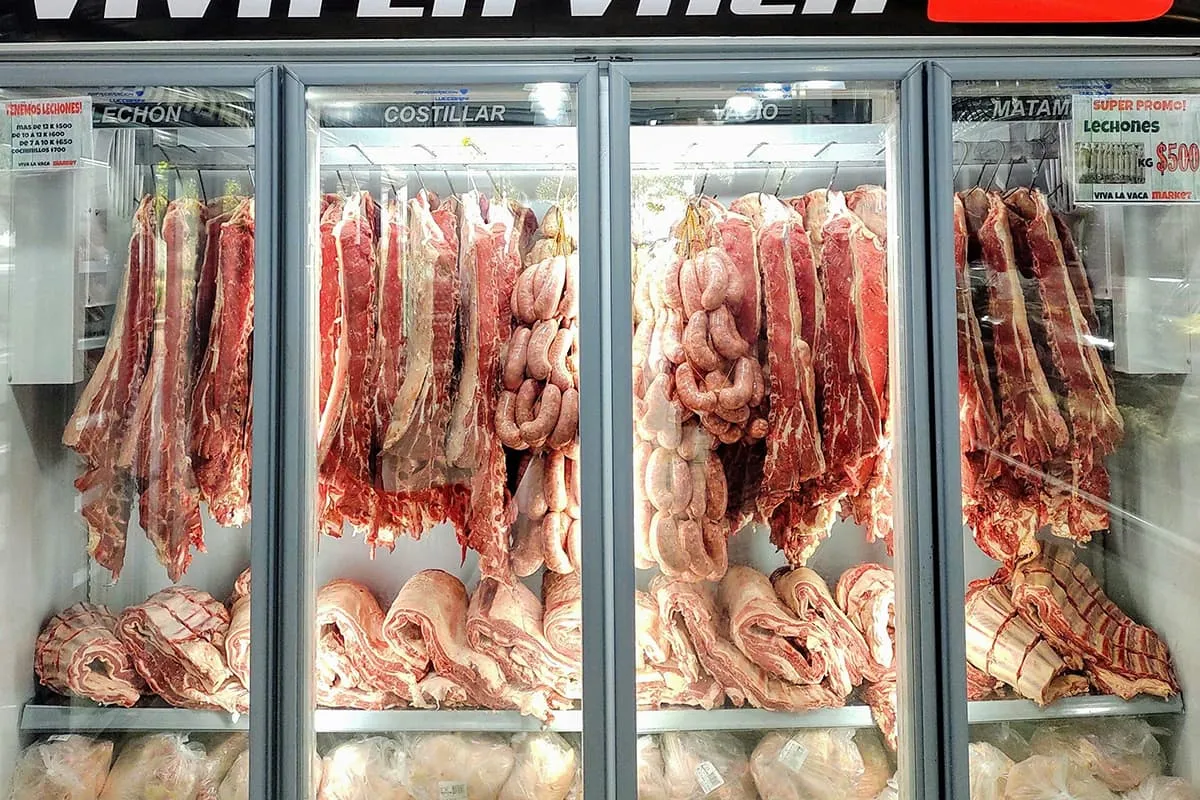

Busy kitchens move fast, and cold storage must keep pace without surprises. Menu changes, prep habits, and delivery rhythms all add stress. A good unit smooths that stress and protects food quality every single shift.
Price tags matter, but so do temperature stability and service access. Vendors like https://www.ancasterfoodequipment.com/ refurbish name brand coolers and freezers, which can stretch budgets. The right match comes from clear sizing, well planned placement, and honest lifetime costs. The goal is steady performance that quietly supports daily work.
Match Capacity To Menu And Service Flow
Start by counting real pans, trays, and boxes you handle each day. Add headroom for specials, holidays, and prep peaks. If you crowd shelves, air flow suffers, and temperatures swing. Cold spots are helpful, but only when the whole cabinet stays within range.
Think in zones that mirror how your team works. A reach in near the line speeds garnishes and sauces. A larger storage unit sits closer to receiving and prep. Doors should open toward the work, not across it, to prevent congestion during rush hours.
Check shelf adjustability so pans and cambros sit without wasted space. Standard gastronorm sizing helps lock in repeatable setups. Measure door clearances, casters, and threshold heights before delivery day. Returns and swaps cost time, and kitchens rarely have spare square footage.
Check Temperature Performance And Food Safety
A stable box saves more food than a deep discount ever will. Look for balanced air distribution, tight door gaskets, and quick recovery after openings. A good unit rebounds fast after a delivery or a busy lunch push.
Cold holding targets are not guesswork or memory. The U.S. Food and Drug Administration states that perishable foods require holding at 41 degrees Fahrenheit or below for safety, with time limits for exceptions. Review your local code and training plans so line checks match science, not habit. Link thermometers or data loggers where staff can verify readings during service.
Door openings drain cold faster than most teams expect. Choose solid doors for back storage and glass doors for quick grab zones. Consider night covers or strip curtains in walk ins to reduce exchange. Small choices like this pay off across a full week of service.
Compare Energy Use And Total Cost
Sticker price tells only part of the story. Electricity, maintenance, and food loss make up the rest. Seek efficient compressors, thoughtful insulation, and LED lighting. Ask about duty cycles and hot room performance, not just lab conditions.
Helpful features that often reduce operating costs:
- Variable speed fans that slow when the door stays closed.
- Smart defrost that runs only when ice actually forms.
- Door alarms that prompt quick closes during busy periods.
Ask for annual energy use in kilowatt hours, not vague savings claims. Compare models with the same cubic feet and duty class. Keep a simple spreadsheet that adds energy, parts, and labor over five years. A slightly higher purchase price may save money by year two.
Assess Build, Parts, And Warranty Support
Service access matters on the worst morning of the month. Front access condenser coils make cleaning simple, and clean coils run cooler. Clear manuals, labeled parts, and common fasteners reduce downtime during repairs. Technicians finish faster when design supports their work.
Seek units with metal door liners and strong hinges that resist sag. Shelves should hold heavy pans without bowing under load. If you swap doors or gaskets often, ask about universal parts that fit across multiple models. Standardization reduces inventory headaches.
Warranties reveal how the maker sees real kitchen life. Read what is covered for sealed systems, labor, and travel. Confirm response times from local service partners before you place an order. A fast fix beats a long promise that does not arrive when needed.
Plan For Cleaning, Placement, And Ventilation
Refrigeration breathes, and crowded corners choke performance. Leave space around intakes and exhausts so heat can escape. If the room runs warm, consider top mounted condensers, or add airflow with a simple fan. Small airflow tweaks protect compressors during summer months.
Set a cleaning cadence that fits your actual schedule. Coil brushing every month keeps pressures down and extends compressor life. Train staff to wipe door gaskets during closing checks. Clean gaskets seal better, and better seals keep temperatures steady.
Build A Shortlist You Can Trust
Turn your notes into a shortlist that fits your space, menu, and budget. Include one new unit and one refurbished option for honest comparison. For each candidate, write down energy use, warranty terms, and service coverage. A simple one page sheet helps teams agree without fuss.
Ask operators with similar volumes how their units behave during summer peaks. Record noise levels and door swing notes during a site visit. Confirm that shelves match your pans, and that the floor can handle the weight load. Good choices stand up to daily bumps and spills.
Before purchase, run a quick test with temp probes and staff routines. Simulate deliveries and line rush openings if possible. Note rebound times and average holding temperatures across several hours. Data beats hunches, and you only need a few cycles to see patterns.
A refrigerator that supports your menu keeps teams calm and focused. It protects food quality during prep, service, and close. With a strong match, your crew spends time plating, not fighting the cold box.




There aren't any comments left behind yet you can be the very first to comment!