
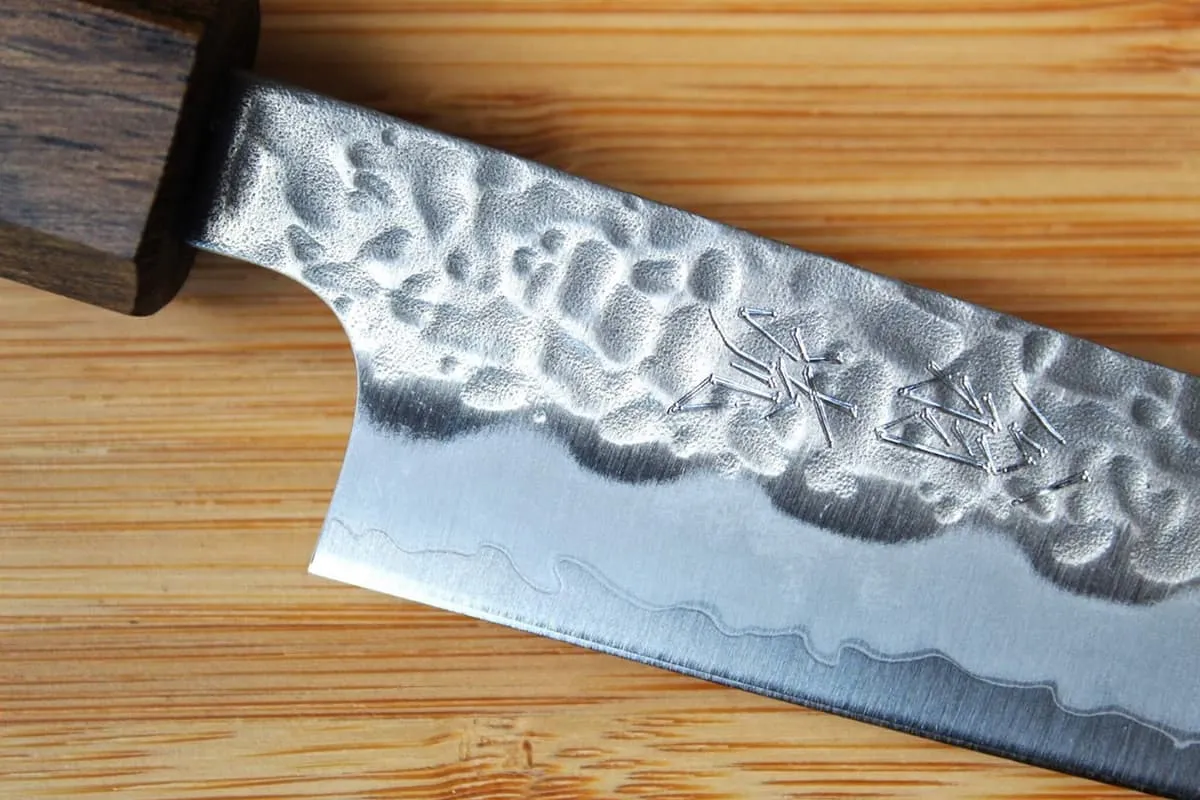

When it comes to kitchen knives, the material of the blade plays a big role in how the knife performs. Two of the most common options are carbon steel and stainless steel. Each one has unique benefits, and your choice depends on how you cook, what you cook, and how much time you want to spend on care and maintenance.
If you’ve ever wondered about the real differences between carbon steel vs. stainless steel, you’re not alone. This guide will help break it down in a simple and easy way so you can feel more confident when picking out your next knife.
What Is Carbon Steel?
Carbon steel is a classic blade material that has been trusted for generations. It is primarily made of iron and carbon, which is where it gets its name. Unlike stainless steel, carbon steel lacks chromium, so it can rust more easily if exposed to moisture or stored without proper care.
Despite this, carbon steel is prized for its ability to hold a very sharp edge. Many chefs who need precision and delicate cutting choose carbon steel knives because they offer excellent control and create clean, precise slices. Additionally, carbon steel sharpens easily and can be restored to a razor-sharp condition with relative ease.
What Is Stainless Steel?
Stainless steel contains 10.5% chromium or more, which helps protect the blade from rust and stains. This makes stainless steel knives much easier to care for, especially for everyday use at home. You don’t have to wipe them off right away after each use or worry too much if they get wet for a short time.
Although stainless steel may not take as sharp an edge as carbon steel, it still performs well for most kitchen tasks. It’s also a bit tougher, which means it can handle drops or tough chopping without chipping as easily.
Sharpness and Edge Retention
One of the biggest differences between carbon steel and stainless steel lies in sharpness. Carbon steel blades can achieve an exceptionally sharp edge and tend to hold it longer when cared for properly. This makes them a favorite among professional chefs and dedicated home cooks who need precision for detailed tasks.
Stainless steel knives may not reach the same level of sharpness, but they still maintain a good edge. They might require sharpening more frequently depending on how often you use them and the types of foods you cut. For everyday cooking, stainless steel knives perform very well and are easy to maintain.
Durability and Toughness
Durability refers to how long a knife lasts, while toughness is about how well it can handle stress without breaking. Carbon steel is harder, which helps it keep a sharp edge longer, but it is also more brittle. This means it can chip or crack more easily if dropped or used on very hard surfaces.
Stainless steel is softer and more flexible, which makes it better at handling accidents or rough treatment. If you’re not used to caring for a knife closely or want something you don’t have to worry about too much, stainless steel is often the better choice.
Care and Maintenance
Caring for carbon steel takes a bit more effort. Because it can rust or develop stains, you’ll need to clean it right after each use and dry it completely.
Some cooks even like to oil their carbon steel knives before storing them, especially if they won’t be used again soon. Over time, a carbon steel blade will develop a dark patina that many chefs find beautiful. This is normal and helps protect the blade.
Stainless steel knives are much easier to take care of. You can rinse them, dry them, and put them away with very little worry. It is still recommended that hand-washing is performed though as dishwashers can damage them due to the exposure to high heat.
Appearance and Aging
Carbon steel knives change in appearance over time. They can develop a patina, which is a dark color that forms from use. Some people really like this because it gives the knife personality and shows its history in the kitchen.
Stainless steel knives usually keep their same look, which can be a clean and modern style. If you like your knives to always look shiny and new, stainless steel might be more your taste.
What Kind of Cook Are You?
Your cooking habits can help guide your decision. If you enjoy slow, careful prep and love traditional tools, you might like carbon steel. These knives are often used for Japanese techniques, like slicing sashimi or making clean vegetable cuts.
If you need a reliable knife for fast, daily cooking or you’re still building your knife skills, stainless steel is probably the better fit. It’s great for general use, and it handles a wide range of kitchen tasks without needing special care.
For cooks who value versatility, Japanese knife sets offer a great introduction to both materials and different cutting styles. You can explore which blade types and shapes fit your routine while learning more about performance and comfort.
Price and Investment
Quality knives come in all price ranges, and both carbon steel and stainless steel knives can be found at various levels. Carbon steel knives often feel like a craftsman’s tool and may cost more, especially if they are hand-forged or made by well-known artisans.
Stainless steel knives are usually mass-produced, which often makes them more affordable. However, premium stainless steel knives also exist and can deliver excellent performance for years with just basic care.
The Tradition Behind the Blades
Carbon steel knives have a rich history in Japanese culture. Many are hand-crafted using techniques passed down through generations. There is something special about using a knife made with this level of dedication and skill.
Stainless steel knives can also be thoughtfully designed, and some combine modern steel with traditional Japanese shapes and features. You don’t have to give up performance just because you want a knife that’s easier to maintain.
Which Knife Is Right for You?
When choosing between carbon steel vs. stainless steel, it comes down to your needs in the kitchen. Carbon steel offers a sharper edge and a deeper connection to tradition, but it needs more attention. Stainless steel gives you freedom from maintenance and performs well for most cooking styles.
You don’t need a large knife collection to start. One well-chosen knife in the material that suits you can transform your cooking experience. If you enjoy mastering technique and caring for a tool over time, carbon steel may be your ideal match. If you prefer a reliable knife that works every time with less effort, stainless steel is the way to go.
Final Thoughts
Both carbon steel and stainless steel have strengths, and neither one is strictly better than the other. It’s all about what feels right in your hand and fits your rhythm in the kitchen. Try a few options if you can, learn how they feel, and choose the one that brings joy to your cooking process.
Choosing the right blade helps bring out the best in your food and your skills. No matter which one you go with, a great knife becomes more than a kitchen tool; it becomes a trusted part of your cooking journey.





There aren't any comments left behind yet you can be the very first to comment!