

As we age, we don't really think much about our bones.
But as we get older, they become more and more important with each passing year. This is mostly due to the fact that, as we get older, any bone fracture or breakage will lead to a greatly reduced quality of our life by causing all kinds of issues (e.g., further complications, impaired/disabled mobility, etc.).
There's also an age-related change in bone structures. Hip, wrist, and vertebral fractures are most common and can lead to long-term disability and/or a reduced quality of life.
- 1 in 3 women and 1 in 5 men (50+ years old) will experience an osteoporosis-related fracture in their lifetime. – International Osteophorosis Foundation
That's why it's extremely important to consume enough nutrients (e.g., calcium, vitamin D, magnesium, zinc, and protein) in order to help prevent bone breakage in our later stages of life.
The Foundation for Healthy Bones
The late twenties are when the peak bone mass is achieved.
Many young adults and older adults don't take adequate amounts of proper nutrition or food supplements. Adults, especially older adults who don't meet nutrient recommendations, may experience sped up bone loss or higher bone fracture risk.
Which Factors Keep Bones Healthy?
- More than 25% of U.S. older adults (aged 65+) fall and suffer injuries that require ER treatment; hip fractures account for approx. 28% of all ER admissions. – Older Adult Fall Prevention, CDC
The four most common factors that affect overall bone health are:
➔ Nutrition: Adequate intake of vitamin D, magnesium, calcium, and protein. Calcium (1,200 mg/day), vitamin D (800–2,000 IU/day), magnesium (320–420 mg/day), vitamin K, and protein (1–1.2 g/kg/day).
➔ Physical Activity: Regular walking, weight training, and any physical activity are important.
➔ Medication: Long-term use of corticosteroids (e.g., prednisone, dexamethasone), and certain other medications (e.g., anticonvulsants, breast cancer treatment medication, prostate cancer treatment medication, SSRIs, proton pump inhibitors, diabetes medication) could weaken bones.
➔ Lifestyle: Healthy body weight and avoiding smoking can help improve bone density and mobility.
Important Nutrients
Some nutrients impact mineralisation, resistance to fractures, and bone remodeling in a positive way.
When it comes to bone structure, the main component is calcium. And for good reason.
Approx. 99% of our entire calcium deposit can be found inside the human skeleton.
And even though we don't think about calcium as such, it's actually a metal, which means that the main ingredient that provides strength to our bones is a metal.
'Metal bones' (well, sort of) – sounds strong. And it is, but not to be misleading, it's the calcium-based minerals that actually help with bone density.
The same goes for our teeth. If they didn't have calcium in them, they'd lose structural stability and would become prone to breaking.
- The adequate daily calcium intake for adults aged 51-70 is 1,100mg, while for adults 71+ years, it's 1,200mg. – European Food Safety Authority
The daily recommended calcium dosage is 1,200 mg per day (for older adults). But due to all the many dietary restrictions older people usually have, they tend to consume less calcium than what's required to maintain healthy bones.
Vitamin D is also very important; that's because it helps with calcium absorption (recommended daily intake is 800-2000 IUs). Older people can develop vitamin D deficiency if they don't get enough sunlight, which leads to changes in skin and metabolism.
Magnesium plays a supporting role in over 300 enzymatic reactions.
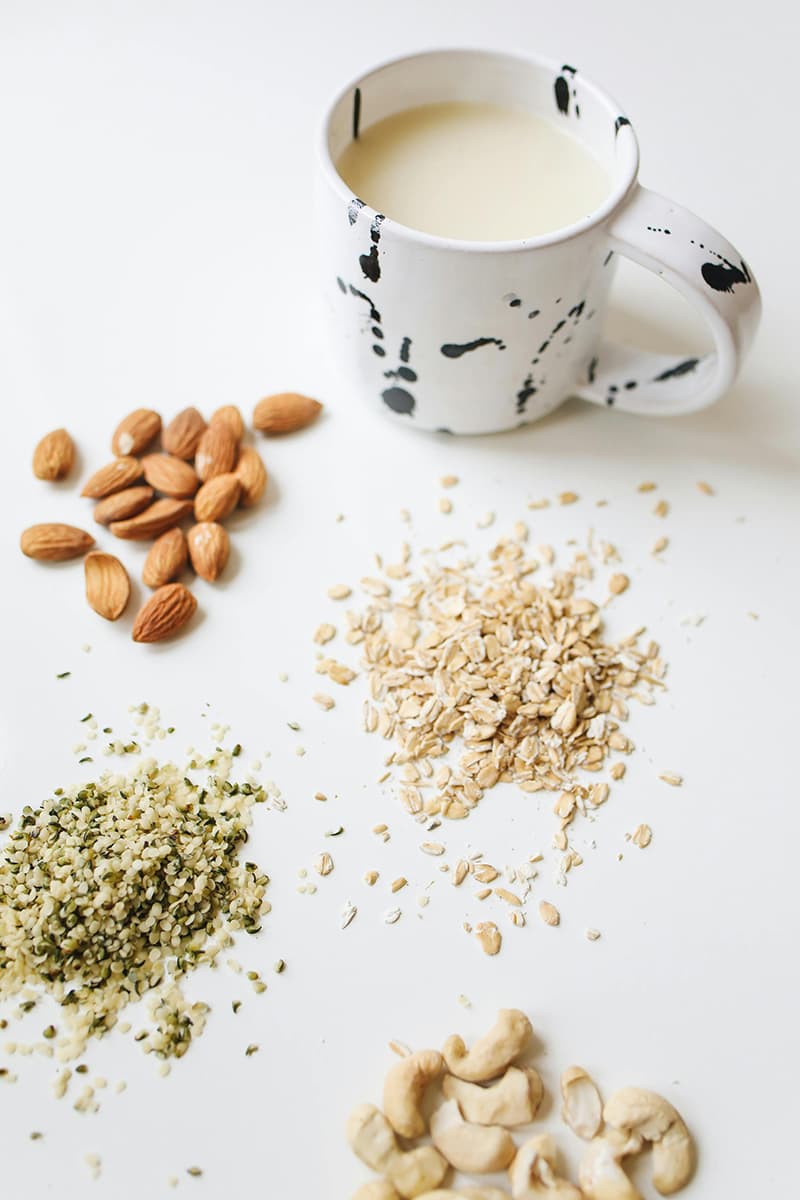
Magnesium supports the body's use of Vitamin D and keeps bone-building processes working effectively—insufficient magnesium consumption results in lower bone mineral density, especially in women after menopause.
Protein is important as every nutrient for bone health. That's because protein is key when it comes to muscle growth/function.
And while muscles aren't bones, they surround our bones. Muscles are what enable us to move in the first place. And if we don't move correctly, we'll be more likely to trip, to fall, to get hit, etc. – all factors which could ultimately lead to bone damage.
➔ Age-related muscle mass decline starts as early as age 30. The rate of muscle mass loss becomes greater at 50+ years, with a 1-2% per year increase. – Cambridge University
➔ Older adults (50+ years old) benefit from protein intake equivalent to 0.8g/kg of total body weight each day. – Ageing Muscle
Muscles don't work without bones. But bones don't work without muscles either.
As we get older, our muscles start to deteriorate at a much faster rate than when we were young (even if we work out). That's why it's important to adjust your protein intake, as well as keep working out (or at least moving enough).
Daily Habits That Support Healthy Bones
If you want healthy bones, then staying physically strong will be of great benefit to you. Even light activities (e.g., walking, climbing the stairs, lightweight training, etc.) can be very effective. If you pair that with sufficient nutritional intake, you'll minimize your chance of suffering a fracture/break in your bones.
Limit your alcohol intake and try to give up smoking. While too much alcohol can easily put you in a dangerous situation, especially when you're older. Where you could fall and suffer an injury, smoking straight-up damages bone-forming cells, which hinders healing and maintenance.
Don't spend too much time indoors. Go outside since sunlight supports your natural vitamin D production (very important for bone health). Even if it's cloudy outside, some sunlight still goes through.
If you have doubts or aren't sure about something, you can always do a quick medical check-up, such as a scan, to help identify any troublesome signs early (e.g., bone loss).
If you do suffer a broken bone, it's also important to cover the legal side of things. Because the accident might've happened due to someone else's negligence, in this case, it's best to call a broken bone accident attorney who'll know exactly what to do and whether you've got a case on your hand or not, based on the details of what happened; who knows, depending on your situation, you might even be entitled to compensation.
This can also differ based on the state law. For instance, if the accident happened in Chicago, a high-profile law firm such as Rosenfeld Injury Lawyers will straight-up know that the general statute of limitation for personal injury claims is 2 years – so they'd have a 2-year timer to prepare a winning case.
But if the accident happened in L.A., a lawyer there would know that California law gives you the same 2-year times, but with more leeway in specific circumstances (e.g., you didn't know of the injury right away).
With the legal matters out of the way, you can 100% focus on recovery so that you get your lifestyle and your quality of life back on track as soon as possible.
When we're older, it's the healthy habits/routine that keeps us at bay from damaged bones, so stick to them, and your chances of avoiding accidents are greatly increased.
Conclusion
Strong bones and bone health are a lifelong process because bones are built through persistent habits, and if we neglect any of these habits, our bone health will start to suffer.
Every day, physical activity and movement, focusing on nutrition intake, regular health check-ups, are the key. Avoiding bad habits such as too much alcohol and smoking reduces the risk of fracture when getting older. Genetics indeed plays a role.
Lifestyle choices also have a massive impact. A good and balanced lifestyle improves bone structure health.




There aren't any comments left behind yet you can be the very first to comment!