
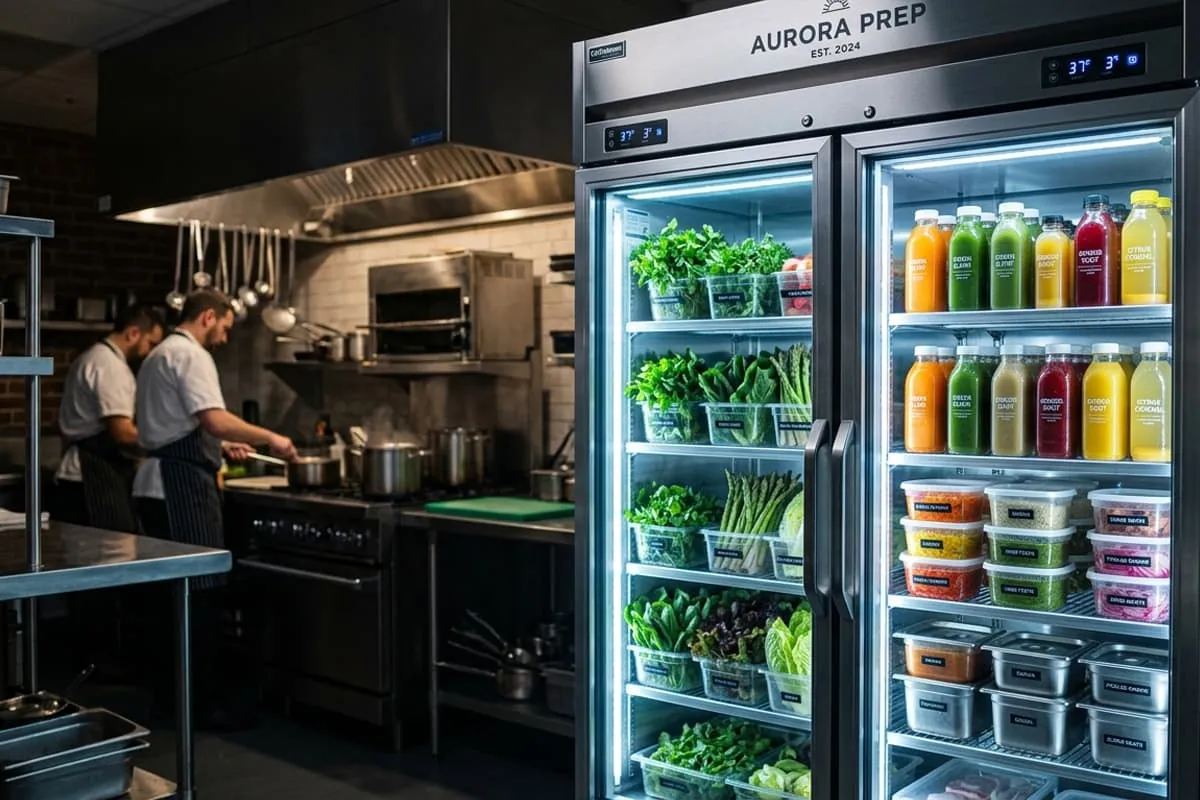

There are 1.6 billion tonnes of food wasted every day worldwide, a staggering figure often driven by simple inventory neglect. In a fast-paced kitchen environment, the barrier between a chef and their ingredients is usually a solid slab of insulated steel. When you cannot see what you have, you effectively do not own it, leading to a cycle of over-purchasing and inevitable spoilage.
The Psychological Impact Of Visual Inventory
The primary reason glass-door refrigerators reduce food waste is the elimination of the "out of sight, out of mind" trap. When ingredients are tucked behind opaque doors, they are forgotten until the smell of decay forces a confrontation. Transparent doors serve as a visual dashboard, allowing kitchen staff to perform constant, passive inventory checks without ever breaking the cold chain.
This constant visibility fosters a natural accountability among kitchen staff and homeowners alike. It is much harder to ignore a wilting head of lettuce or a container of three-day-old pasta when they stare back at you every time you walk past the unit. The psychological nudge to prioritize these items is far more effective than any spreadsheet or manual inventory log could ever hope to be.
By keeping your most perishable items front and center, you create a workflow that respects their shelf life. This isn't just about saving a few dollars on groceries; it is about changing the fundamental relationship you have with your storage. You stop treating the fridge like a graveyard for leftovers and start treating it as a staging area for your next meal, helping ensure you aren’t contributing to the 20% of food that’s wasted.
Operational Benefits Of Transparent Merchandising
In professional settings, the transition to clear doors often results in a 20% to 40% higher turnover of chilled items. Many operators utilize Empura merchandiser refrigerators to ensure that prep work stays visible and accessible to the entire culinary team. This visibility allows immediate identification of stock levels, preventing panic-buying of ingredients already sitting in the back of the cooler.
Maintaining a strict organizational standard becomes easier when the results are on display for everyone to see. You are forced to keep the space clean and the products front-facing, which naturally improves air circulation around your food.
To maximize the waste-reduction potential of these units, kitchens generally adopt a few specific habits:
- Labeling every container with a clear prep date
- Placing older items on the right side of the shelf
- Storing high-moisture greens in clear ventilated bins
When these habits are combined with a glass-door setup, the "discovery" of expired food becomes rare. You are no longer digging through the dark recesses of a reach-in only to find a science project that was once a bowl of berries. Instead, the fridge tells you exactly what needs to be cooked tonight, which is the most effective way to keep your trash cans empty.
Thermal Integrity And Environmental Standards
A common argument against glass doors is the perceived loss of energy efficiency compared to solid-metal doors. While it is true that metal provides a slightly higher R-value for insulation, the gap has closed significantly with modern engineering. High-efficiency units now use double-glazed or triple-pane glass that minimizes heat exchange while maintaining a perfect seal.
The real energy drain in a kitchen isn't the glass itself, but the time the door stays open while a person searches for an ingredient. In a solid-door fridge, the "browse time" is significantly higher because the user has to open the door to see what is inside. With glass, the searching happens while the door is shut, keeping the cold air where it belongs and protecting sensitive proteins from temperature spikes.
Modern glass door units are also designed to meet strict ESG metrics by using environmentally friendly refrigerants. This makes them a viable choice for businesses looking to reduce their carbon footprint without sacrificing the operational speed that visibility provides. You get a tool that preserves food longer by maintaining a more consistent internal climate through fewer door openings.
Solving The Condensation And Lighting Hurdle
Critics often point to condensation as a reason to avoid glass, but this is usually a symptom of poor maintenance rather than a design flaw. Anti-fog coatings and heated glass frames have largely solved the "sweating" problem that plagued older models. If you can see through the glass clearly, you are more likely to notice when a seal is failing or if the internal temp is drifting.
Internal LED lighting plays a massive role in how we perceive the freshness of our food. Dim, yellowed incandescent bulbs make even the freshest produce look unappealing, whereas bright, cool-spectrum LEDs highlight the natural colors of your ingredients. This visual appeal isn't just for aesthetics; it makes the food look "ready to use," increasing the likelihood it will be consumed.
If you are a renter or someone who cannot commit to a full appliance swap, you can mimic these results with clear acrylic bins. However, the true power of the glass door fridge lies in its ability to expose the entire landscape of your kitchen’s resources. It turns the act of opening the fridge into a deliberate action rather than a curious exploration, and combined with other steps like meal prep, makes a real difference.
Redefining Your Kitchen Inventory Strategy
Moving toward a transparent storage model is the most effective hardware change you can make to combat food waste. It removes the friction between identifying a need and fulfilling it with the ingredients you already own. When your inventory is visible, your waste becomes visible, and that is the first step toward eliminating it.
If you are interested in further optimizing your approach to food and ingredient use, our site has plenty more posts worth reading, so stay put and see what else you can learn.






There aren't any comments left behind yet you can be the very first to comment!