
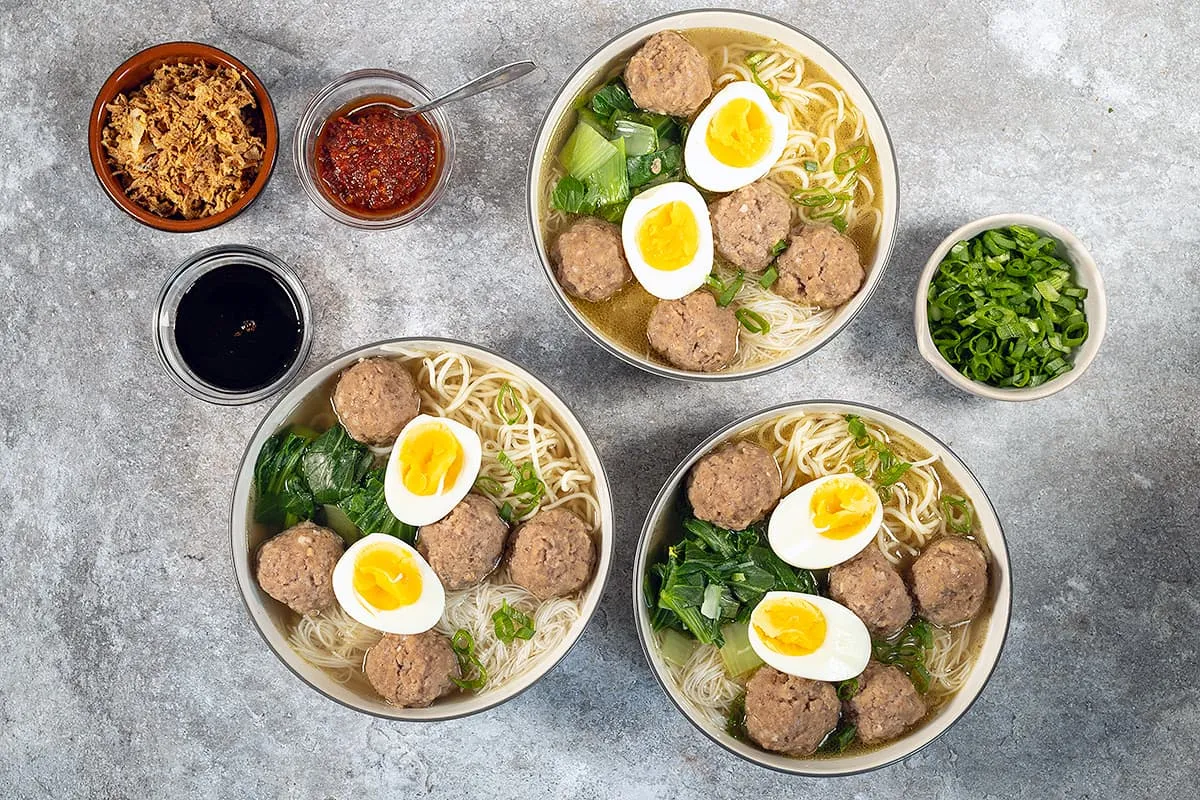

A smaller meal can still be comforting, filling, and satisfying. It might be a bowl of soup, a piece of toast with a generous topping, or a yogurt bowl with fruit and seeds. What matters most is choosing ingredients that make each bite count without adding extra work to a simple meal.
Start With a Simple Nourishing Base
Every good small meal needs a solid starting point. Oats, eggs, potatoes, rice, beans, lentils, yogurt, whole-grain bread, and soup all make easy bases because they’re familiar and flexible.
Porridge can feel more satisfying with milk, fruit, seeds, or a spoonful of nut butter. A bowl of lentil soup works well on its own, while rice with a soft-cooked egg can make a quick lunch feel more complete. The base doesn’t need to be fancy. It just needs to give the meal enough structure to build from.
Add More Nutrition Without Making the Plate Bigger
A small portion doesn’t have to feel thin or unfinished. A few well-chosen extras can make it richer, creamier, and more satisfying.
Greek yogurt can be stirred into mashed potatoes, soup, or porridge. Olive oil works well with roasted vegetables, lentils, or pasta. Nut butter can go on toast, into smoothies, or through oatmeal. Grated cheese, avocado, seeds, soft-cooked eggs, and hummus can also add more substance without taking over the plate.
The easiest additions are the ones that already suit the food. A spoonful, drizzle, or topping can turn a light snack into something far more useful.
Make Texture Work in Your Favor
Texture has a big effect on how enjoyable a meal feels. Dry, chewy, or crumbly foods can be tiring, especially when appetite is low. Softer foods often feel gentler and easier to finish.

Creamy soups, mashed vegetables, porridge, soft scrambled eggs, tender fish, stews, smoothies, and rice pudding are all good choices. Sauces can help as well. A little gravy, yogurt dressing, or tomato sauce can make food easier to chew and more pleasant to eat.
For meals that need to be especially soft, these creative and nutritious pureed recipes for seniors show how gentle textures can still feel colorful, varied, and comforting.
When Small Portions Need More Attention
Smaller portions are fine when meals are balanced, enjoyed, and eaten regularly. The concern starts when lighter meals turn into skipped meals, ongoing weight loss, dehydration, or a noticeable loss of interest in foods someone used to enjoy.
For older adults who get full quickly or need to gain weight, frequent, smaller meals throughout the day can make it easier to get enough nourishment without overwhelming the appetite. Nutrient-dense foods can add more value to each bite, but continued weight loss or poor intake still deserves closer attention.
When Food Concerns Happen in a Care Setting
At home, changes in food are often easier to notice. Someone might leave breakfast half-finished, choose soup over toast, or lose interest in a favorite snack. In a care setting, those small details can be harder for family members to see, so repeated patterns matter.
Trays that often come back untouched, sudden weight loss, frequent dehydration, or meals that don’t match a person’s chewing or swallowing needs can point to gaps in daily care. Families can ask how meals are recorded, whether weight changes are tracked, and whether staff are adjusting textures, portions, or mealtime support when eating becomes difficult.
If those concerns persist and poor nutrition appears linked to neglect, conversations with a nursing home malnutrition attorney may help families understand how meal records, care plan notes, weight logs, and hydration details can show whether a resident’s basic needs were being met.
Easy Small-Meal Ideas to Try
A small meal feels more inviting when there’s a bit of comfort in it. Warm oatmeal with milk, banana, and nut butter can make a gentle breakfast. A soft omelet with cheese and herbs can turn a quick lunch into something more satisfying.
Soup is another easy choice because it can carry plenty of nutrition in one bowl. Blend cooked vegetables with beans, lentils, cream, or Greek yogurt for a smoother texture. Stir olive oil, cheese, or soft-cooked greens into mashed potatoes. Make a smoothie more filling with yogurt, oats, avocado, or peanut butter.
For something familiar and gentle, try stewed fruit, rice pudding, cottage cheese with soft fruit, or toast with hummus. The best small meals are easy to eat, simple to repeat, and pleasant enough that they never feel like a chore.
Conclusion
Small meals can be simple without feeling plain. With a good base, a few nourishing additions, and easy-to-enjoy textures, even a modest plate can offer comfort, energy, and satisfaction. Good food meets people where they are and makes eating feel a little easier to making small meals more nourishing.
There aren't any comments left behind yet you can be the very first to comment!