
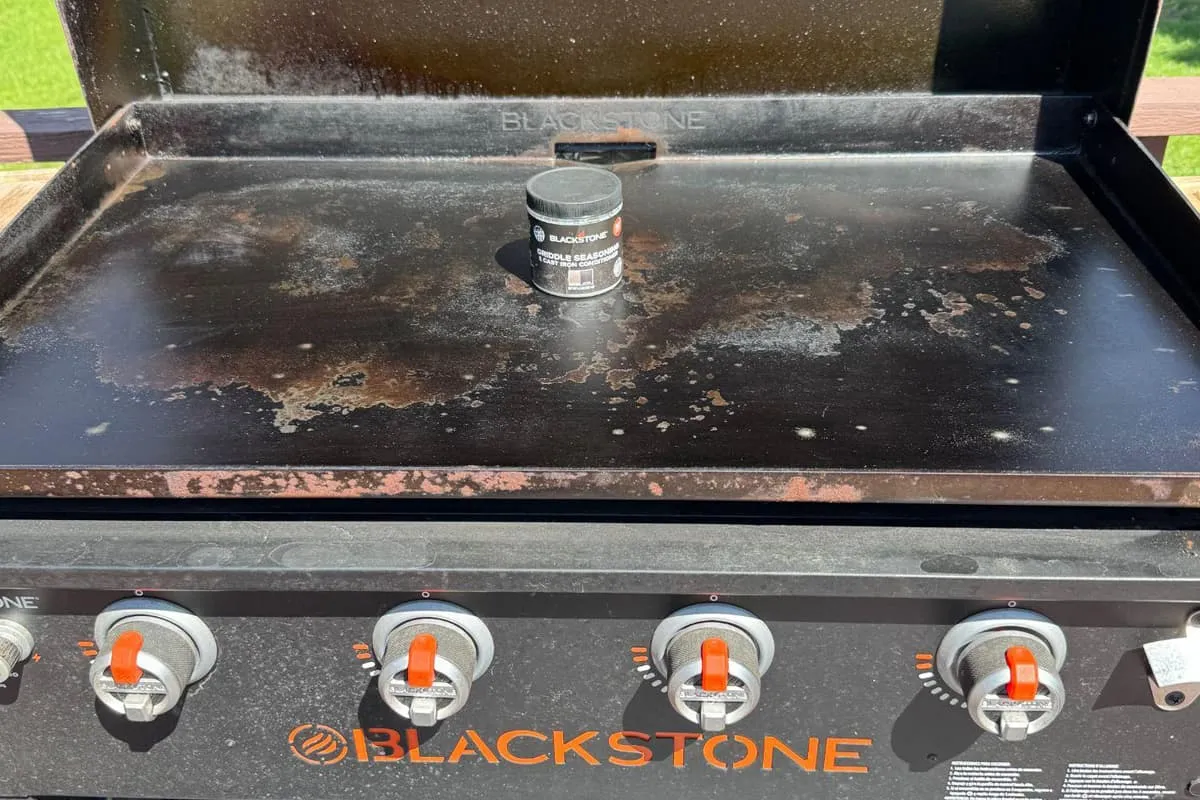

A Blackstone griddle can elevate any outdoor cook, but its performance and longevity depend on how well it’s cared for. As Eric Monchecourt stresses, seasoning is more than just a one-time step; it’s an essential process that protects the griddle from rust, creates a natural non-stick surface, and even enhances the flavor of your food.
Whether you’re a seasoned backyard chef or a newcomer to griddle cooking, learning the proper way to season and maintain your Blackstone griddle ensures that each meal is cooked to perfection and that your equipment stays in top condition for years to come.
Why Seasoning Your Blackstone Griddle Matters
Seasoning your Blackstone griddle is a key step to enjoying trouble-free cooking. When the surface is properly seasoned, it forms a natural barrier that helps protect the griddle from moisture, which can lead to rust. This simple process also creates a smooth, non-stick layer, making it much easier to cook delicate foods like eggs or fish without them sticking. Many home cooks quickly notice the difference in how easily their food releases from a well-seasoned griddle compared to an unseasoned one.
A seasoned griddle doesn’t just improve performance; it also helps preserve your food's flavor. As the oil bonds with the metal, it forms a surface that resists adhesion and speeds cleaning. Backyard cooks who skip this step often struggle with stubborn food residue or find their griddle develops rust spots after only a few uses. Taking time to season your griddle pays off with better results and a longer-lasting piece of equipment.
Essential Tools and Supplies
To ensure a smooth process, having the right supplies on hand makes the job much easier. High-smoke-point oils such as avocado or canola are best, as they can withstand the heat needed for proper seasoning. Paper towels and tongs make it simple to spread the oil evenly across the griddle’s surface without risking your hands. Some cooks also keep a dedicated cloth for wiping down the griddle after each use, which further helps maintain the seasoned layer.
Using heat-resistant gloves can prevent burns when handling hot equipment, while a mild dish soap and warm water are helpful for the initial cleaning. Skipping any of these items may complicate the process or leave the griddle’s surface less protected. Having a spray bottle with water can also help with quick cleaning between uses, especially when dealing with sticky residues.
For those who prefer a dedicated product, Blackstone Griddle Seasoning and Conditioner is a popular option worth keeping in your kit. This specially formulated blend combines oils and beeswax to create a durable, protective coating on the griddle surface. It's particularly useful for first-time seasoning or for restoring a griddle that has developed rust or dull spots, and it applies easily with a paper towel just like a standard cooking oil.
Preparing the Griddle for Seasoning
Before applying any oil, thoroughly wash the griddle with warm water and mild dish soap. New griddles often have a protective coating or manufacturing residue that needs to be removed. Leaving any residue behind can interfere with the oil's bonding to the metal.
Once washed, drying the surface completely is crucial. Moisture left on the griddle can cause rust to form beneath the seasoning layer. Some users speed up drying by briefly switching on the burners, ensuring every drop of water evaporates. With a clean, dry surface, the griddle is ready for seasoning. Taking a few extra moments here can make all the difference in achieving a lasting seasoning.
Step-by-Step Seasoning
Start by preheating your griddle until it becomes hot enough for oil to shimmer on contact. Once the surface reaches the right temperature, pour a small amount of oil and use tongs with folded paper towels to spread it into a thin, even layer. It’s important not to leave any excess oil, as this can create sticky patches rather than a sleek, seasoned finish.
As the oil heats, it will start to smoke lightly—a sign that it’s bonding with the metal. Allow this layer to darken before repeating the process two or three more times. Each cycle adds to the protective coating, resulting in a glossy, dark surface ready for cooking. Patience during these steps leads to a griddle that performs reliably.
Care and Maintenance
Maintaining your seasoned griddle keeps it performing at its best. After each use, a simple wipe-down while the surface is still warm removes food particles and prevents buildup. Some people like to add a very thin layer of oil after cleaning, which helps reinforce the non-stick coating and protects against moisture. Consistent care after every cookout will make future cleanups faster and more effective.
Avoid using harsh soaps or abrasive tools, as these can strip away the seasoning you worked to build. Storing your griddle in a dry place and covering it when not in use also goes a long way toward preventing rust. Regular attention ensures your griddle remains a pleasure to cook on, season after season. If you notice any dull or patchy spots, a quick reseasoning session can quickly restore the surface.
Key Advantages of a Well-Seasoned Griddle
A properly seasoned griddle makes everyday cooking smoother. Foods are less likely to stick, so flipping pancakes or searing steaks becomes almost effortless. Over time, the seasoned surface adds a subtle richness to dishes, enhancing flavors as the seasoning matures. Even sticky items like marinated chicken come off the griddle easily once a solid seasoning has formed.
Beyond improved cooking, a seasoned griddle stands up better to regular use, resisting rust and wear. Owners who keep up with seasoning often find their griddle lasts for years while still looking and performing like new. Investing a bit of effort up front leads to a more enjoyable and reliable cooking experience.




There aren't any comments left behind yet you can be the very first to comment!