
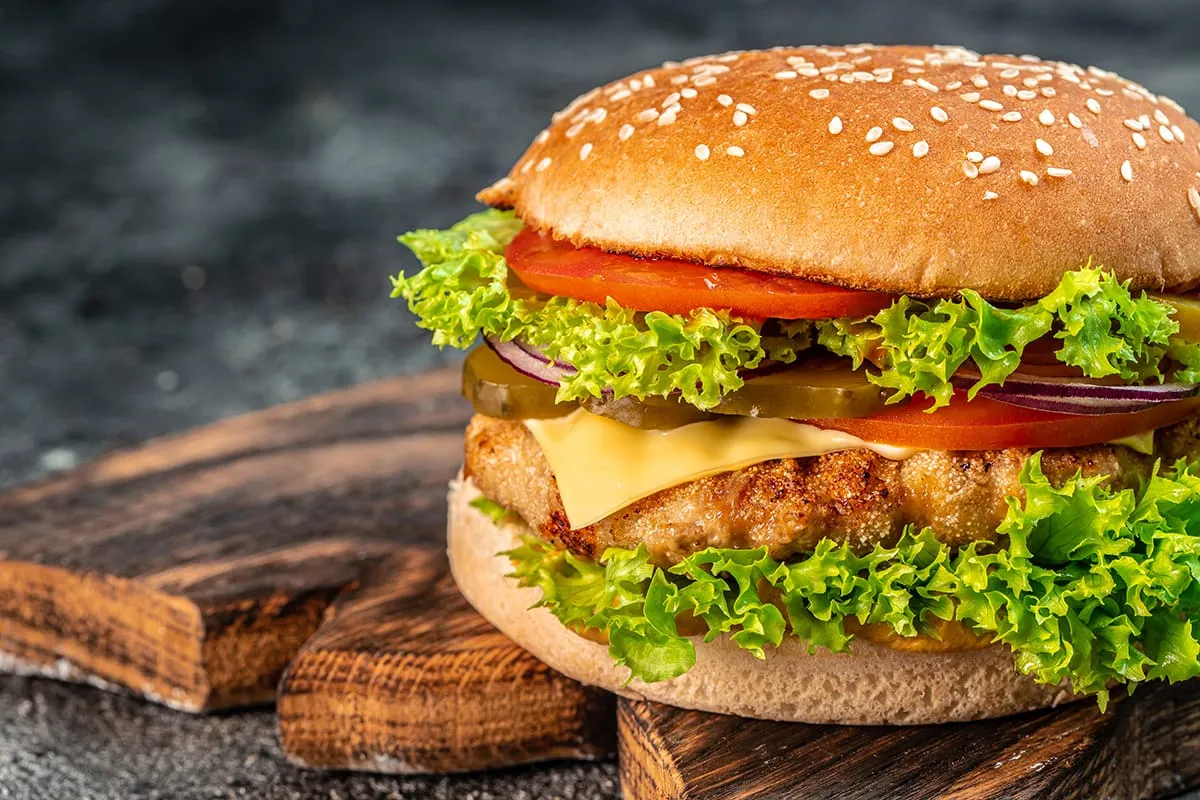

In the age of Instagram cravings and smartphone snacking, your food needs to look as good on a screen as it tastes in person. For restaurants competing in a crowded market, stunning food imagery isn’t just a garnish—it’s the main course of your digital marketing strategy.
Whether you're a five-star bistro or a neighborhood food truck, your visual content can influence everything from foot traffic to online reservations. This guide breaks down how to market your restaurant effectively using powerful food photography—from the kitchen plate to the social media post.
Let’s dig in.
1. Why Food Images Matter in Restaurant Marketing
You’ve heard the phrase “we eat with our eyes first.” Today, that starts on screens—not just plates. Diners often scroll through Google, Yelp, Instagram, or delivery apps before they ever see your front door.
Stunning visuals:
- Create an immediate emotional connection
- Increase engagement on social platforms
- Improve click-through rates on ads
- Help customers visualize the dining experience
- Set expectations (and excitement) for presentation and quality
A mouth-watering photo can tip the scales between your restaurant and a competitor’s. Think of it as the silent salesperson working 24/7.
2. Build a Visual Identity for Your Brand
Before snapping shots, define your restaurant’s visual tone. Is your vibe upscale and moody, rustic and earthy, bold and colorful, or minimalist and modern?
This visual identity should guide:
- Lighting choices (natural, dramatic, warm, cool)
- Color palettes (wood tones, bright produce, white plates, etc.)
- Backgrounds and surfaces
- Editing style (sharp and high-contrast vs. soft and muted)
Creating a consistent aesthetic builds recognition across social platforms and helps reinforce your brand identity with every post.
3. Master the Lighting
Lighting can make or break a food photo. The best light is often natural daylight—think morning light streaming through your front window or soft late-afternoon sun on a patio.
Avoid overhead fluorescent lights or dim bulbs that cast strange hues. Use reflectors or white boards to bounce light and eliminate harsh shadows.
If natural light isn’t available (especially for dinner service), consider investing in softbox lights or diffused LED panels to mimic daylight indoors. The goal? Make your food glow.
4. Choose the Right Angle for the Dish
Different dishes shine at different angles. A colorful salad or pizza looks great overhead, while a towering burger begs for a side shot to show off the layers.
Common angles include:
- Top-down (90°) for flat layouts, boards, or symmetrical dishes
- Three-quarters (45°) for depth and detail
- Eye-level (0°) for stacked or tall items like sandwiches and parfaits
Try a few to see what tells the most appetizing story. You’re not just photographing a dish—you’re capturing the experience of eating it.
5. Use Props to Add Context, Not Clutter
A wooden cutting board, a textured napkin, or a hand reaching for a bite can make your image feel more natural and inviting. But be strategic—props should enhance the dish, not overwhelm it.
Stick to neutral tones and organic materials. Overly flashy or colorful props can distract. And always keep the food front and center.
For bonus realism, show just a bit of mess—like sauce drips, scattered herbs, or crumbs. Controlled imperfection often feels more human and appetizing than sterile perfection.
6. Feature Your Environment, Not Just the Plate
Don’t forget that you’re selling the entire experience, not just the entrée.
Include shots of:
- Your staff prepping or plating
- Customers enjoying meals
- Interior ambiance
- Signature drinks at the bar
- Seasonal outdoor dining setups
These lifestyle shots build trust and authenticity, especially for first-time visitors. They also offer variety in your content and let your personality shine through.
7. Involve Your Team and Customers
Food photography doesn’t have to be a solo act. Encourage your servers, bartenders, or chefs to contribute behind-the-scenes images from the kitchen. Diners love seeing the human side of their favorite spot.
Likewise, user-generated content (UGC) is a goldmine. Reposting customer photos (with permission) adds credibility, builds community, and shows off your food through authentic eyes.
Consider running photo contests or offering small discounts for tagged social media posts to generate a steady stream of fresh content.
8. Know When to Use Stock Photos—And How
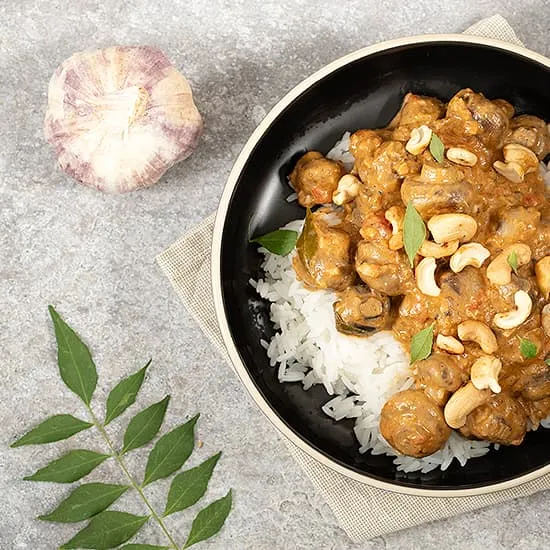
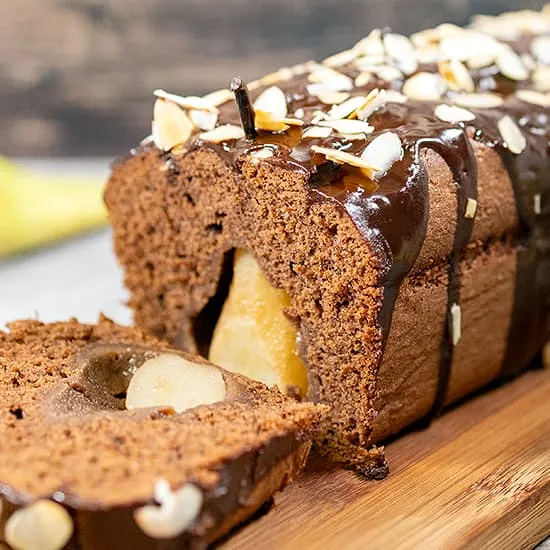
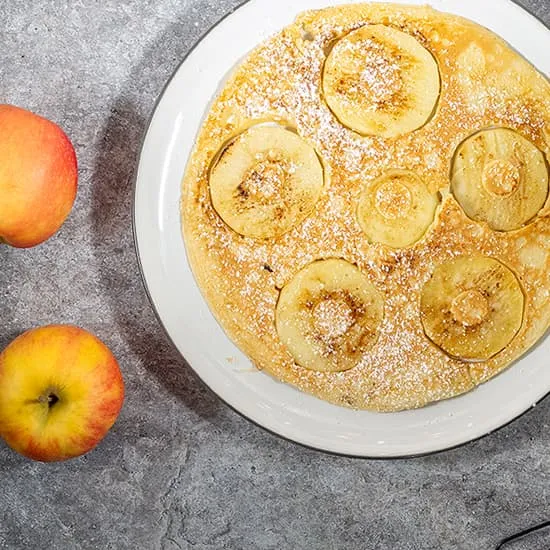
While custom photography is ideal for capturing your dishes and vibe, there are times when using food stock photos can be useful—especially in newsletters, blog posts, or seasonal campaigns where you need quick visuals.
Look for high-quality images that:
- Match your restaurant’s aesthetic
- Aren’t overused or overly staged
- Have enough white space for text overlays
- Complement your real content (never replace signature items)
Used carefully, stock-style imagery can fill content gaps and keep your marketing efforts consistent—even when your in-house photos are limited.
9. Optimize for Every Platform
Different platforms, different formats. A vertical shot might shine on Instagram Stories or TikTok, while a horizontal banner works better for Facebook or your website.
When possible:
- Shoot with versatility: Take a variety of angles and crops
- Leave space for text: Especially useful for specials or promotions
- Export high resolution: But compress appropriately for faster loading
Also, use alt text and captions on web images for accessibility and SEO benefits.
10. Turn Photos into Engagement Tools
Once you have great imagery, use it to drive results. Pair photos with:
- Daily or weekly specials
- Seasonal menu announcements
- Chef’s notes or stories behind a dish
- Behind-the-scenes reels or kitchen walkthroughs
- Customer testimonials overlaid on beautiful backdrops
Every image should have a goal—whether it’s clicks, likes, shares, bookings, or takeout orders. Don't just post and hope; post with purpose.
Final Course: Your Visual Menu Is Always Open
Food photography isn’t just decoration—it’s your most powerful marketing tool in a world where people often eat with their phones before their forks.
By investing in visual storytelling—whether through custom shoots, collaborative content, or the thoughtful use of stock-style imagery—you give your brand a chance to stand out in a crowded feed. More importantly, you give customers a reason to taste what they see.
So next time you plate a masterpiece, don’t just serve it—capture it. From plate to post, your camera is your second kitchen.
There aren't any comments left behind yet you can be the very first to comment!