
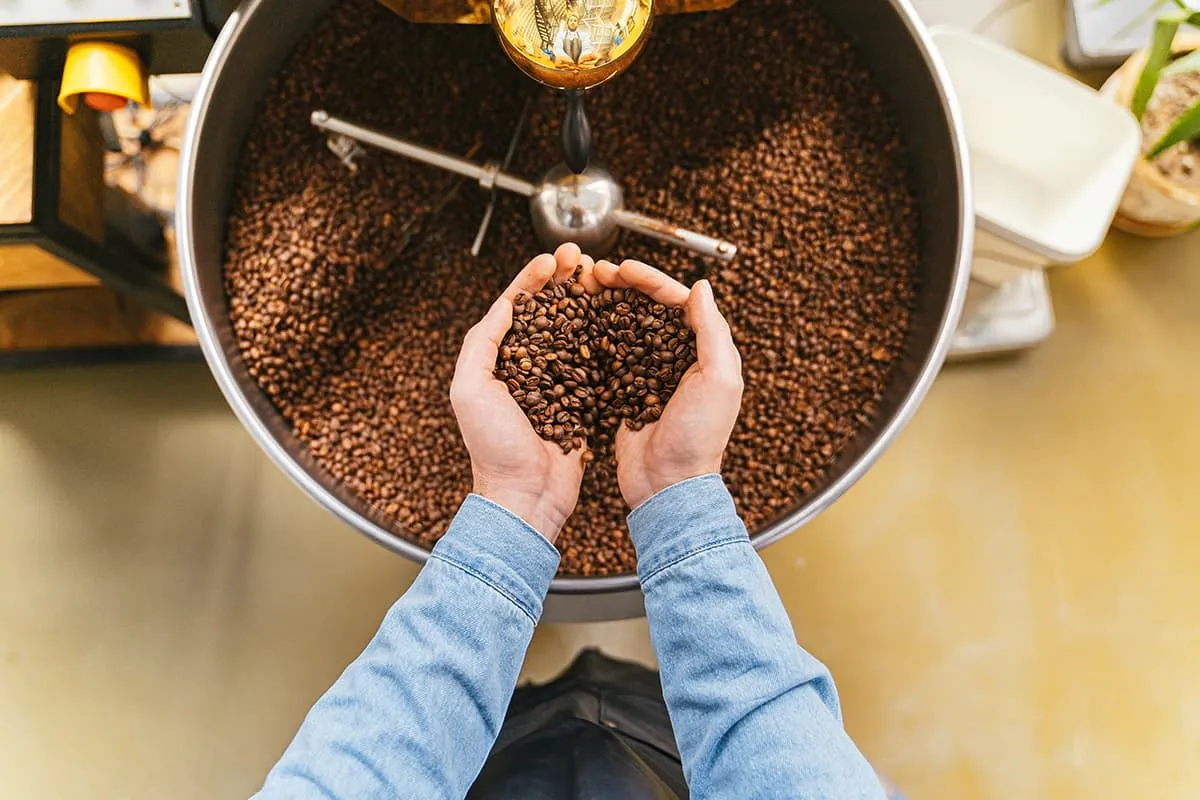

Every day, over two billion cups of coffee are brewed. But behind that comforting ritual lies a surprising truth — many of the farmers who grow our favorite beans still struggle to make a living. The price of coffee on the global market often fails to cover the real cost of sustainable farming.
The beans you choose each morning affect more than taste. They shape livelihoods, protect the environment, and connect your kitchen to communities around the world. In this post, you’ll learn what fair trade coffee beans really mean, how they can transform your home coffee routine, and simple ways to make every brew more meaningful.
What “Fair Trade Coffee Beans” Really Means
Fair trade coffee beans come from farmers and cooperatives that meet specific ethical and environmental standards. These standards ensure fair prices, safe working conditions, and sustainable farming practices. The “Fairtrade” label guarantees that growers receive a minimum price for their crop plus an extra premium that communities can reinvest in education, healthcare, or infrastructure.
Unlike conventional sourcing — where middlemen often take the biggest cut — fair trade systems prioritize transparency. Farmers know who buys their beans and at what price. Consumers know their purchase supports equality rather than exploitation.
So when you see the Fairtrade or Rainforest Alliance symbol on a coffee bag, it means those beans were grown with respect for both people and planet. That small logo represents a larger promise: better wages, cleaner water, and thriving communities.
Learn more about the difference here: https://www.rainforest-alliance.org/business/certification/difference-between-rainforest-alliance-certified-fair-trade/
How Fair Trade Differs from Regular Coffee
Most coffee travels a long and opaque path before it reaches your cup. In traditional systems, large buyers dictate prices, leaving small farmers vulnerable to global market swings. Fair trade works differently — it locks in minimum prices, encourages long-term partnerships, and rewards sustainable farming.
Conventional coffee:
- Prone to price crashes.
- Often linked to deforestation or exploitative labor.
- Prioritizes quantity and speed.
Fair trade coffee:
- Protects farmers from volatile markets.
- Promotes environmental care and shade-grown methods.
- Builds stronger communities through reinvestment.
When you choose fair trade, you’re not just buying beans — you’re joining a fairer supply chain.
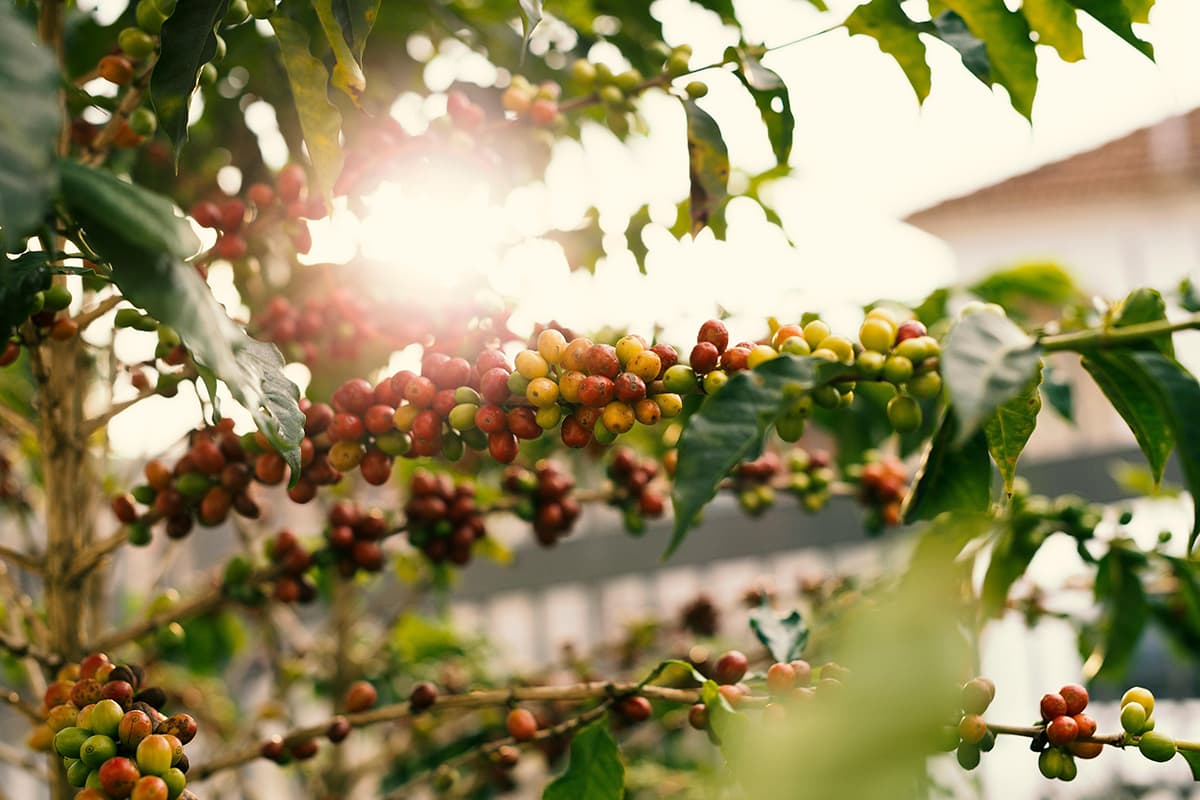
Why Your Home Coffee Routine Matters
Your kitchen might feel far removed from distant coffee farms, yet every morning ritual carries weight. That first sip before the day begins is more than caffeine — it’s a connection to the people and places behind your brew.
Fair trade coffee fits naturally into home routines built on care and mindfulness. The same way you might choose local vegetables or refillable cleaning products, choosing ethical beans turns a simple beverage into a daily act of kindness.
The Culture of Coffee in Everyday Kitchens
Coffee shapes how many of us start our day. It sparks conversations, anchors family breakfasts, and creates small moments of calm. When your coffee comes from fair trade farms, those moments gain meaning. You’re sharing stories — of growers, of craftsmanship, and of hope — with each cup.
Families that value home cooking and sustainability often find that coffee becomes part of a larger kitchen culture. You care where your ingredients come from, you reduce waste, and you look for products that align with your values. Fair trade fits right in.
How to Buy Fair Trade Coffee Beans
When you shop for coffee, look for official certifications like the Fairtrade Mark or Rainforest Alliance Seal. These logos aren’t marketing fluff — they’re audited standards that trace every bean from farm to roaster.
Check for:
- Certifications on the package (Fairtrade, Organic, Rainforest Alliance).
- Origin details — country, cooperative, or farm name.
- Roast date to ensure freshness.
- Whole beans rather than pre-ground for better flavor.
If you prefer online shopping, many ethical roasters offer direct trade or small-batch options. One great example is Verena Street Coffee's fair trade coffee beans, a family-owned roaster based in the U.S. that sources Fairtrade Certified beans and focuses on sustainable roasting practices. Their blends show how fair trade can deliver both quality and conscience in every cup.
You can also search for fair trade coffee beans from trusted brands that publish sourcing information. Transparency is key — if a company can’t tell you where its beans come from, look elsewhere.
Reading Coffee Labels Like a Pro
Label reading is a small skill that pays off big. Look for clear details about:
- Region: Different origins give different flavor notes.
- Altitude: Higher altitudes usually mean denser, more flavorful beans.
- Roast Level: Light for brightness, dark for depth.
- Sustainability Notes: Organic or shade-grown indicators support biodiversity.
Once you’ve found a fair trade label that fits your taste, try exploring blends or single-origin varieties. Experimenting adds excitement to your morning routine and keeps your ethical habits fresh.
Storing and Brewing for Flavor and Freshness
Fair trade beans deserve care once they’re home. Store them in an airtight container, away from sunlight and heat. Avoid the fridge — moisture harms flavor. Instead, use a sealed jar or canister on a cool, dry shelf.
When brewing, grind beans just before use. Aim for the right grind size: coarse for French press, medium for drip, fine for espresso. Use filtered water and maintain consistent temperature (around 93°C or 200°F) for the best extraction.
Simple steps like these honor the farmers’ work and ensure you get the best flavor possible.
Quick Brewing Tips for Busy Mornings
If your mornings are rushed, choose methods that balance ease and quality:
- French Press: Add coarse-ground coffee, pour hot water, steep for 4 minutes.
- Pour Over: Ideal for one cup, offering clarity and aroma.
- Cold Brew: Brew overnight for a smooth, low-acid option.
Fair trade coffee doesn’t require fancy equipment. Just consistency and care — the same qualities that define good kitchens everywhere.
The Ripple Effect: From Your Cup to the Community
A single cup can echo across continents. Fairtrade International reports that the social premium paid on coffee helps fund education, clean water, and women’s leadership programs in farming regions. That means each time you refill your mug, someone else’s community grows stronger.
These programs also encourage sustainable agriculture — from planting shade trees to preserving local ecosystems. The environmental footprint of fair trade coffee is lighter because it values balance over mass production.
How Fair Trade Strengthens Communities
Consider a cooperative in Peru where farmers use their Fairtrade premium to build a school. Or one in Ethiopia that invests in solar dryers to reduce energy use. These stories show that fair trade is not charity; it’s partnership. Farmers gain stability and tools to plan for the future. Consumers, in turn, enjoy quality coffee with integrity.
When you choose fair trade beans, you support families building resilience against climate change and market uncertainty. That’s a powerful way to make your kitchen matter.
Building an Eco-Friendly Coffee Corner
Fair trade fits naturally within an eco-conscious kitchen. Compost used coffee grounds — they make rich plant fertilizer. Swap single-use pods for reusable filters. Store beans in glass jars instead of plastic bags.
Pairing fair trade choices with simple sustainability habits turns your coffee corner into a mini example of mindful living. Every step reinforces another — fair trade supports farmers, compost supports soil, and together they support a healthier planet.
Every Cup Counts: Your Role in Fair Trade
Each cup of coffee tells a story. When you choose fair trade, that story shifts — from exploitation to empowerment, from waste to worth. You become part of a quiet movement where everyday people use ordinary moments to do extraordinary good.
Next time you shop, reach for fair trade coffee beans and try one new habit from this guide — maybe label-checking, fresh grinding, or composting your grounds. Small steps, multiplied by millions of kitchens, make lasting change.
Conclusion
Your coffee routine is already a daily ritual — warm, comforting, and familiar. Choosing fair trade beans doesn’t change that routine; it deepens it. Each sip becomes a reminder that your kitchen can connect to something bigger.
So tomorrow morning, as you measure out your coffee, remember: a fair cup is a better cup — for you, for farmers, and for the world we share.


There aren't any comments left behind yet you can be the very first to comment!