
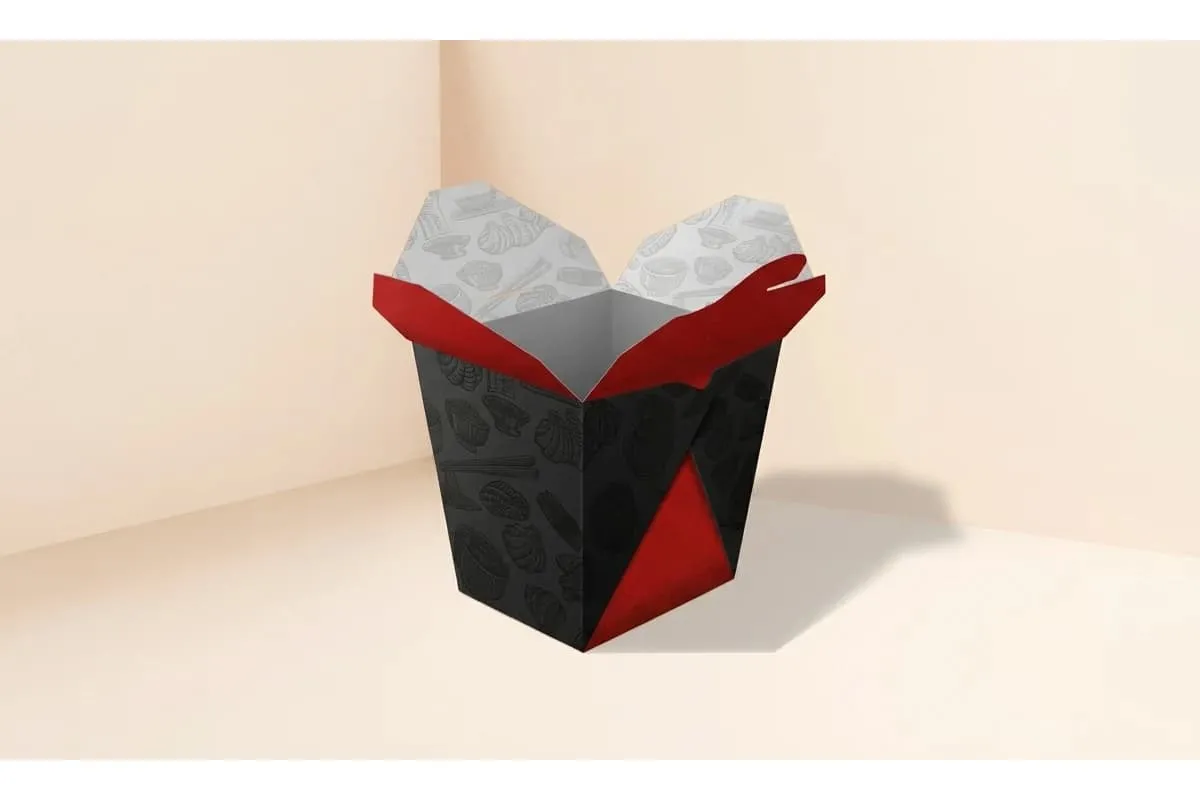

Packaging is not just something food goes into. A loaf of bread pulled from the oven and sealed in a plastic bag will lose its crisp crust within hours. Cookies stored beside a slice of cake will pull moisture from the cake and go soft. Food quality keeps changing after cooking or baking ends, and packaging is one of the main factors that decides which way those changes go.
This article is written for home bakers and food enthusiasts. It explains what different foods need from packaging, why moisture control is more complicated than simply sealing a box, and how custom food boxes can protect food quality while making it look better on the shelf or table.
How Food Packaging Helps Protect Freshness
Food packaging protects freshness through three main jobs: managing moisture movement, blocking grease, and providing physical support. How well a package does these jobs depends on the material, the structure, and how the package closes, not on the act of packaging itself.
Protection Against Moisture and Condensation
Moisture is the most common factor affecting the texture of baked goods. A study on sliced bread found that crumb hardness was closely tied to moisture content: as moisture was lost, crumb hardness rose steadily and texture scores dropped. That means moisture control inside a package directly affects how food feels and tastes when someone eats it.
But keeping moisture in is not always the goal. For bread with a crisp crust, steam trapped inside a package softens the crust and removes the texture people expect. Bread sealed while still hot has nowhere for the steam to go, so condensation forms on the inside of the package and soaks back into the surface.
Moisture management therefore depends on the food. Bread that should stay soft needs some moisture retention. Bread that should stay crisp needs some steam to escape, or it needs to cool fully before it is packaged. One packaging approach does not work for every baked good.
Protection Against Grease and External Contamination
Grease is another problem that often goes unnoticed. Fried foods, pastries with high butter content, and baked goods brushed with oil will soak through ordinary paperboard quickly. The grease stains the outside of the package and can weaken its structure.
The FDA framework for food contact substances lists preventing grease from soaking through paper and paperboard as one recognized function of food contact materials. That means packaging for greasy foods needs actual grease resistance, and a "food grade paperboard" label alone does not prove that.
On food contact safety, the FDA requires food contact substances to be authorized before sale, and the review includes migration testing and toxicology data for the expected conditions of use. For food businesses, this means supplier documentation on food contact compliance is a required reference point, not an optional one.
Bread and Freshly Baked Goods
Bread is a balance between two opposite needs. The crumb should stay soft, but the crust should stay crisp, at least for styles that are supposed to have a crust. Steam release matters as much as moisture retention. Packaging that traps all the steam will soften the crust, while packaging that lets too much moisture escape will dry the crumb and speed up staling. Cooling bread to room temperature before packaging reduces condensation and gives the crust a better chance to hold its texture.
Cookies and Crispy Snacks
Cookies fail in two ways: they go soft, or they break. Moisture absorption is the main enemy of crispness, which is why cookies should not share packaging with cakes, fresh fruit, or anything with high water activity. Breakage is a structural problem, solved with snug packing, dividers, or a box strong enough to resist stacking pressure. Both problems point to the same conclusion: cookies need a package that blocks moisture and holds its shape.
Cakes, Cupcakes, and Delicate Desserts
Cakes need space and support, not a tight seal. A box that is too small crushes frosting and decorations. A box that is too large lets the cake slide and hit the sides during transport. The right design holds the base in place, limits movement, and leaves clearance above the tallest decoration. For bakers who sell or transport cakes, packaging dimensions matter as much as material choice, and custom bakery boxes options that match the size and weight of the product prevent most transport damage before it happens.
Greasy and Prepared Foods
Grease resistance is the deciding factor for fried and high fat foods. The material in direct contact with the food needs a barrier that stops oil from soaking through, and it must be suitable for food contact under the conditions of use. Kraft paper, for example, is common and looks rustic, but uncoated kraft paper alone does not stop grease. Lined or coated materials are needed where oil is present.
How Packaging Improves Food Presentation
Presentation is where packaging earns attention beyond protection. A window box lets buyers see the product before purchase. In consumer research on packaging, visual elements such as transparency and product visibility influenced how people judged product quality and freshness.
Product Visibility and Packaging Windows
Windows work because they let the food speak for itself. A clear window on a cookie box or pastry box shows color, texture, and size without opening the package. But a window is not a preservation feature. It improves display and does nothing on its own to keep food fresh, so the material behind the window still has to meet the moisture and grease requirements of the food.
Colors, Printing, and Branding
Color and print carry information about the product before anyone tastes it. For small bakeries, a clean design with readable type and consistent color does more for perceived quality than elaborate artwork. The design should also match the food inside; a matte kraft box signals a different product than a glossy printed box, and both should match what the buyer will find when the package opens.
Structural Design and Presentation
Structure shapes how food looks when it arrives. A cake that sits level in a properly sized box looks intentional. The same cake sliding in an oversized box looks damaged. Correct dimensions, a stable base, and protection for tall decorations are presentation decisions as much as protection decisions.
Conclusion
Different foods need different packaging. Protection should come before decoration, and the material and structure should match what the food is actually vulnerable to. A good presentation works best when it sits on top of practical protection, not in place of it.
There aren't any comments left behind yet you can be the very first to comment!