

Drinking wine is healthy. You’ve read or heard this statement somewhere, and there’s some truth in it. The National Institute of Health reports that low-to-moderate consumption of wine, especially the red variants, improves cardiac health, antioxidant and inflammation status, and immune function.
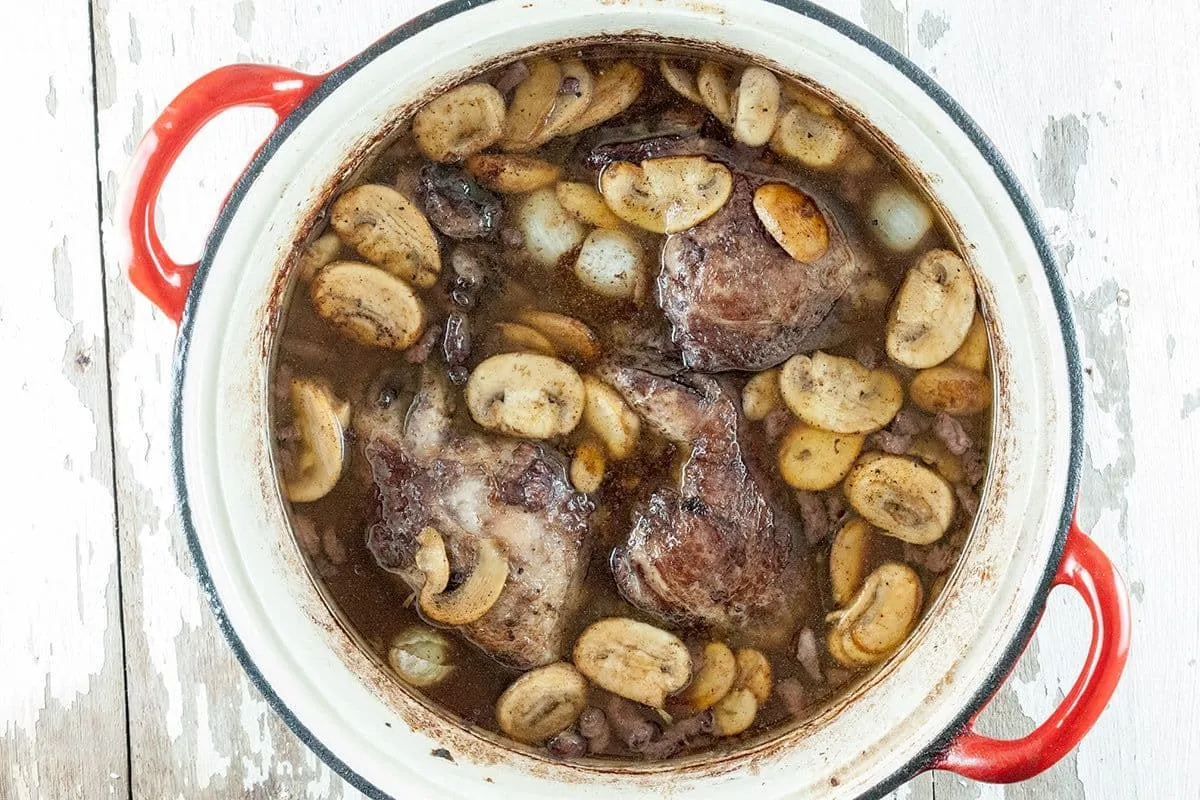
Besides promoting health, wine and food pair perfectly together that some recipes require it as a special ingredient to add some tenderness, depth, and flavor. You can cook with different wines, such as Merlot, Pinot Noir, Chianti, Sauvignon Blanc, and Chardonnay. In this post, however, we’ll focus on preparing meals with Cabernet Sauvignon or Cab Sauv, a popular option for lamb, beef, and hearty stews like the classic coq au vin.
Understand the Flavor Profile
If you taste Cab Sauv, you’ll notice hints of dark fruits like cherry, blackberry, and blackcurrant. But there are different flavors depending on where the grapes are grown. For example, Sonoma County Cabernet Sauvignon tastes of rich dark fruits, such as plum, black cherry, cassis, and blackberries. They also have savory undernotes of dark chocolate, spice, and coffee.
Climate and diversity influences Sonoma Cab Sauv flavors, as the ocean breeze keeps the region cooler, thus slowing down fruit ripening while preserving the acidity. The microclimate influenced by the area’s diversity- mountains, coast, and valleys also gives fruit structure and tannin development. When cooked, the wine’s bold, tannin structure softens meat while adding a rich, earthy, and dark fruit flavor. Sometimes you can taste spicy undertones like clove, vanilla, and pepper in dishes. The acidity allows slow cooking and prevents caramelization, giving meals rich flavors.
Recipe Ideas
Wondering what flavorful dishes you can prepare with Cabernet Sauvignon? Try to braise or marinate lamb shanks, slow cook beef stew, or grill meats. The savory taste of slow-cooked stews or pot roasts blends well with wine’s intensity.
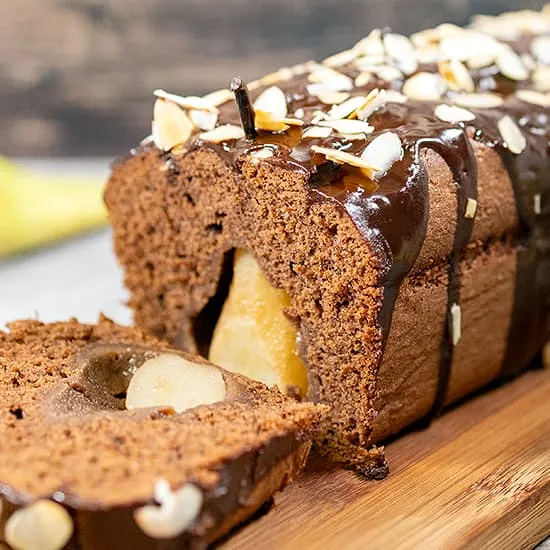
When you grill steak or lamb shanks they produce a smoky flavor that complement the depth of Cabernet Sauvignon’s fruit notes and tannins. What if you’re not into beef, pork, or lamb? Don’t worry. You can get creative by making tasty sauces or desserts like poached pears with a touch of wine.
Tips for Prepping Meals
How do you cook with Cabernet Sauvignon? Start with the right bottle. The rule is to always prepare dishes with a wine you love sipping on while relaxing. But it wouldn’t hurt to use a mid-range priced bottle if your favorite one is a little pricey. It will still work perfectly with any recipe. Next, concentrate flavors by simmering the beverage. When you simmer wine gently, the alcohol evaporates, concentrating the flavors in dishes, adding depth and complexity. Add adequate salt, fat, or sweetness as well to balance the wine’s flavor and that of your meal.
Adding Cab Sauv to your culinary practice opens doors to enriched flavors, transforming ordinary meals to extraordinary cuisine. The key is to understand the wine’s dark fruity taste profile and how to balance flavors in meals. Also, experiment with different recipes, from simmering sauces to braising lamb chops, and creating rich flavorful desserts.
There aren't any comments left behind yet you can be the very first to comment!