
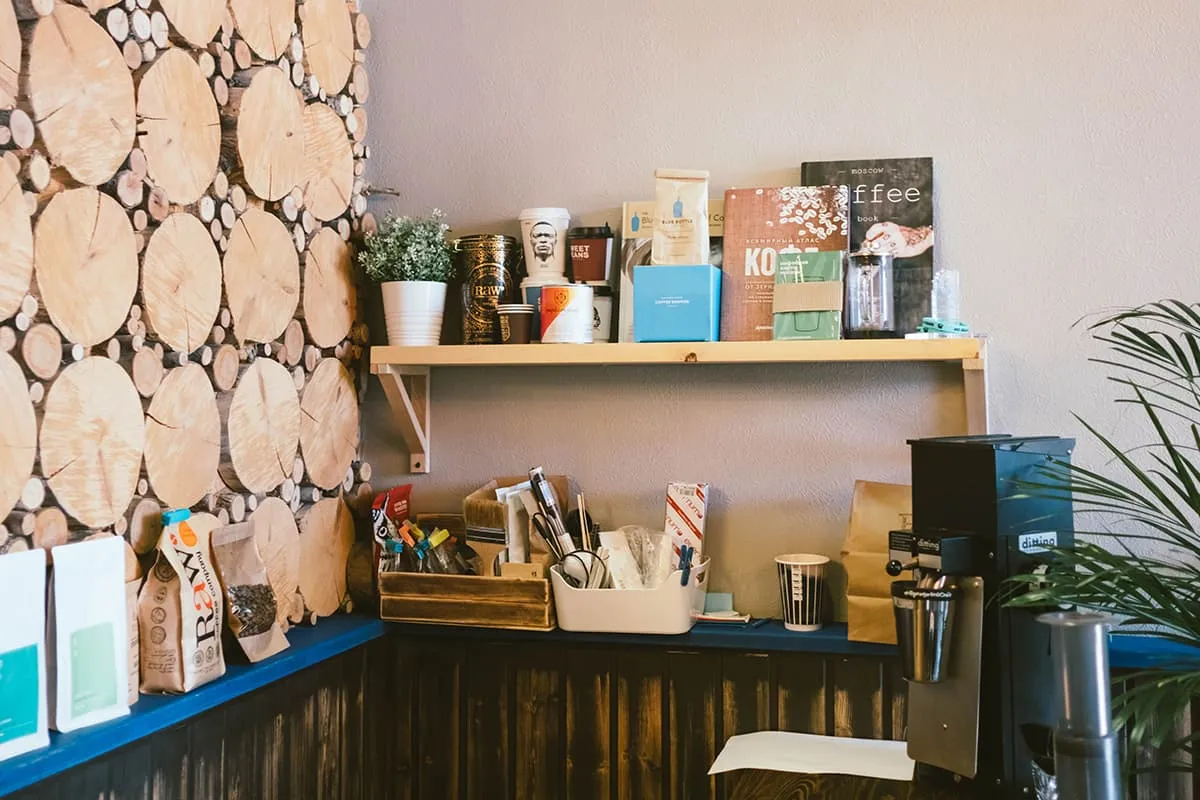

There's a reason so many of us linger by the coffee maker before anything else happens in the kitchen. It's the one part of the morning that isn't rushed: the kettle rumbling, the smell of fresh grounds, that first quiet sip before the day gets loud.
If you already love turning your kitchen into a space that feels good to cook in, a dedicated coffee corner is one of the easiest upgrades you can make. It doesn't need to be Pinterest-perfect. It just needs to work for how you actually drink coffee.
Here's how to put one together, whether you're squeezing it onto a narrow counter or dedicating a whole cabinet to the cause. None of this requires a renovation or a big budget, just a bit of planning, the right beans, and a willingness to treat your morning cup as something worth a little care.
Find (or Make) the Right Spot
You don't need a spare room. You need consistency. Pick one corner of counter, one shelf, or even a small bar cart, and commit to it being "the coffee spot." Keep it close to a water source if you can, since refilling the kettle or machine ten times a morning gets old fast. A spot near a window is a nice bonus; natural light makes the whole ritual feel a little more special, and it doesn't hurt if you like snapping a photo of your cup before you drink it.
Once you've chosen your spot, think about how you'll actually keep it stocked, because this is where most home coffee corners quietly fall apart. It's easy to end up buying small bags every week, running out mid-morning, or grabbing whatever's on sale without really thinking about freshness. Switching to bulk coffee solves most of that in one go: you get a better price per cup, far less packaging waste, and one less thing to reorder every couple of weeks.
The freshness part still comes down to the roaster, not the bag size, so it's worth buying from one that roasts to order rather than one that's been sitting on a shelf before it ships. It also means your coffee corner stays a coffee corner, instead of turning into the spot where you remember you're out of beans again.
Choose Equipment That Matches Your Routine, Not Your Wish List
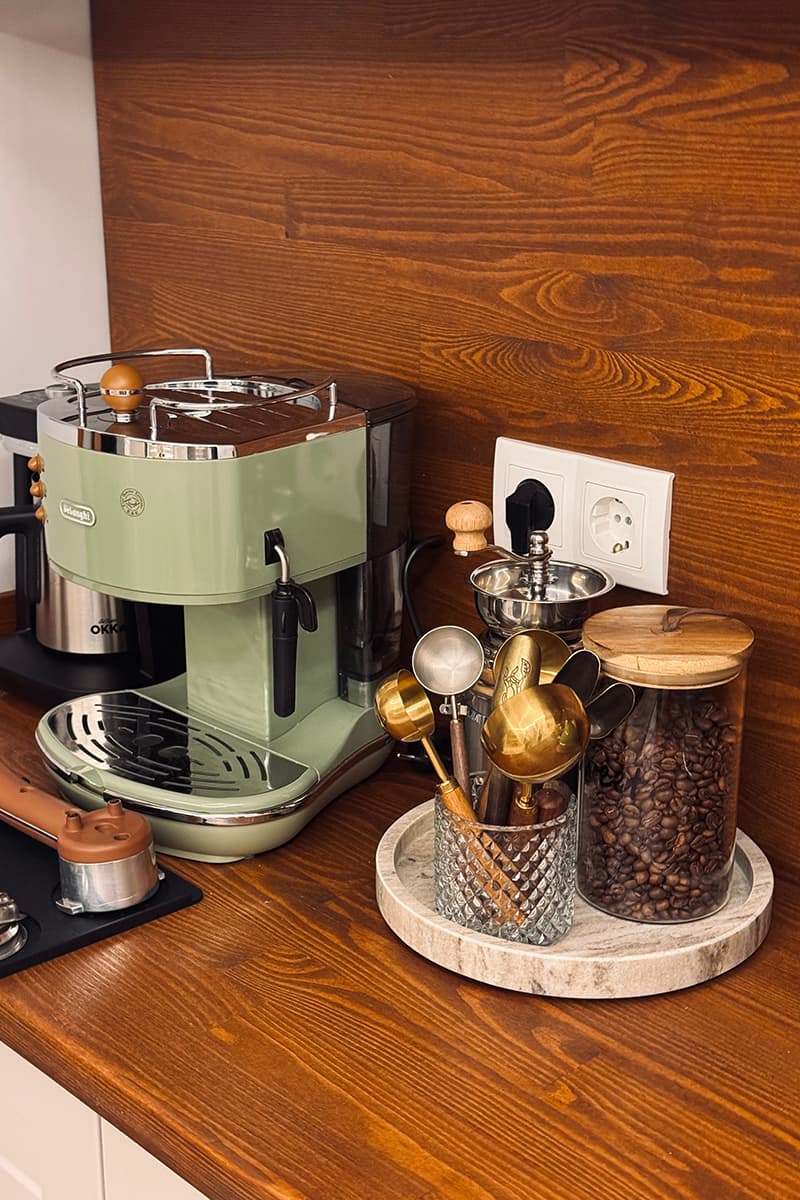
It's tempting to fill your coffee corner with every gadget you've seen online, but the best setup is the one that matches how you actually drink coffee on a Tuesday morning, not how you'd like to drink it on a leisurely Sunday. If you're usually rushing out the door, a simple drip machine or a pod-free automatic brewer will serve you better than a manual pour-over setup that needs your full attention. If weekends are when you slow down and enjoy the process, that's exactly when a French press, moka pot, or pour-over cone earns its place.
A decent burr grinder is worth the investment before almost anything else. It makes a bigger difference to flavor than the machine itself, and it means you can buy whole beans rather than pre-ground, which stay fresher for longer. Beyond that, keep the essentials close: a milk frother if you like lattes or cappuccinos, a scale if you like precision, and a couple of good mugs that make the whole thing feel a little more deliberate.
It's worth resisting the urge to buy everything at once. Start with one or two tools you'll genuinely use every day, and add the rest as you notice what your routine is actually missing. A coffee corner that grows slowly, piece by piece, tends to get used far more than one that arrives fully formed and never quite fits how you make coffee.
Recipes Worth Setting Up For
A coffee corner earns its keep once you start using it for more than a plain morning cup. If iced coffee is part of your rotation come warmer months, it's worth batch-brewing a jug to keep in the fridge so it's ready whenever you want it, rather than starting from scratch every afternoon. On slower mornings, a hot coffee with a scoop of vanilla ice cream turns an ordinary cup into a genuine treat, and it's a nice one to make for guests without any extra effort. If you're hosting brunch, a freddo cappuccino is a lovely thing to offer alongside the food: cold, a little frothy, and easy to make in batches.
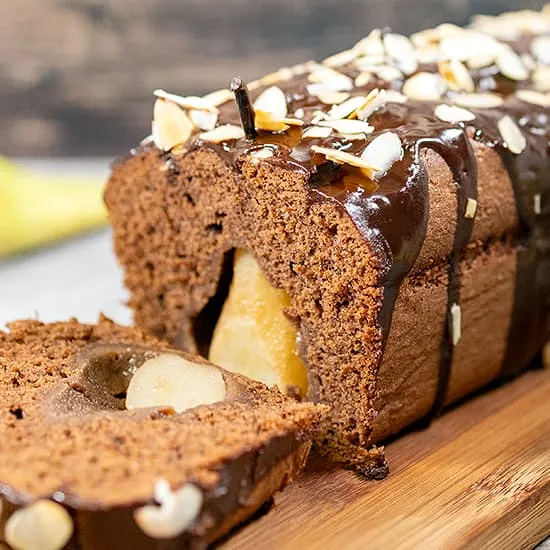
Coffee is also worth bringing into dessert. A coffee-soaked quark or a coffee-flavored bake adds depth without much extra work, and it's a good way to use up beans you've brewed a little too strong. Once you're set up properly, with good beans on hand and no reason to skimp on quantity, these little extras stop feeling like a project and start feeling like something you'd just do on a random Wednesday.
Make It a Space You Want to Use
The details that make a coffee corner enjoyable are often small ones: a tray to corral the mugs and syrups so the counter doesn't look cluttered, a canister that actually seals well so your beans stay fresh, a little dish for used filters or spent grounds if you compost. If you enjoy photographing your food and drinks (the same way you might style a plate before a meal), a coffee corner with good light and a few nice textures (a linen napkin, a wooden tray, a chipped ceramic mug you love) photographs beautifully with almost no effort.
None of this needs to be expensive or elaborate. The point isn't to build a café in your kitchen; it's to make the first coffee of the day feel like something you look forward to, rather than something you're doing on autopilot. Start with a good spot, keep it stocked with beans you actually like, and let the rest come together slowly: a mug here, a grinder there.
Give it a few weeks and you'll notice the difference in small ways: fewer rushed decisions in the morning, fewer trips to restock, and a lot more excuses to try a new recipe on a slow weekend. Before long, it'll be the corner of the kitchen you reach for without thinking, which is really all a good coffee ritual needs to be.



There aren't any comments left behind yet you can be the very first to comment!