
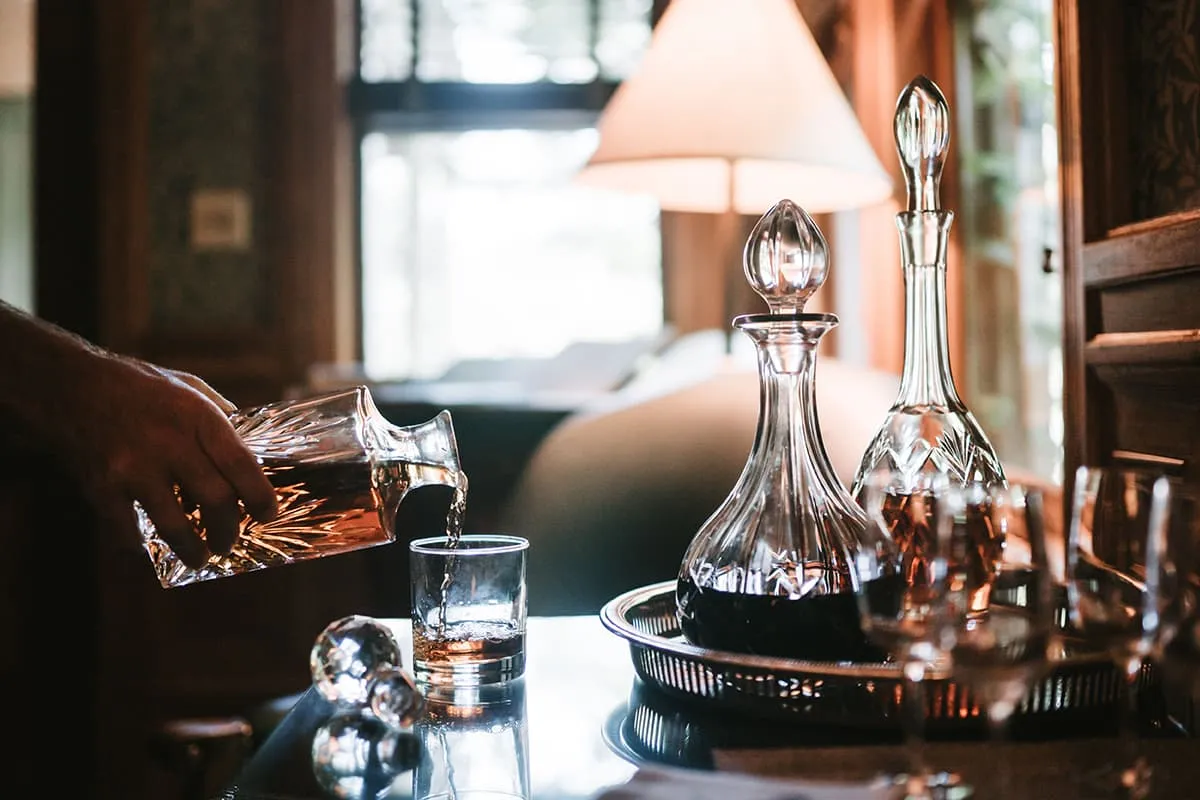

Choose a Scotch for food the way you would choose a wine. Match the weight of the whisky to the dish, then look at the cask it was aged in. A sherried Speyside malt suits a roast or a chocolate dessert. A peated Islay whisky needs smoke or fat on the plate to hold its own.
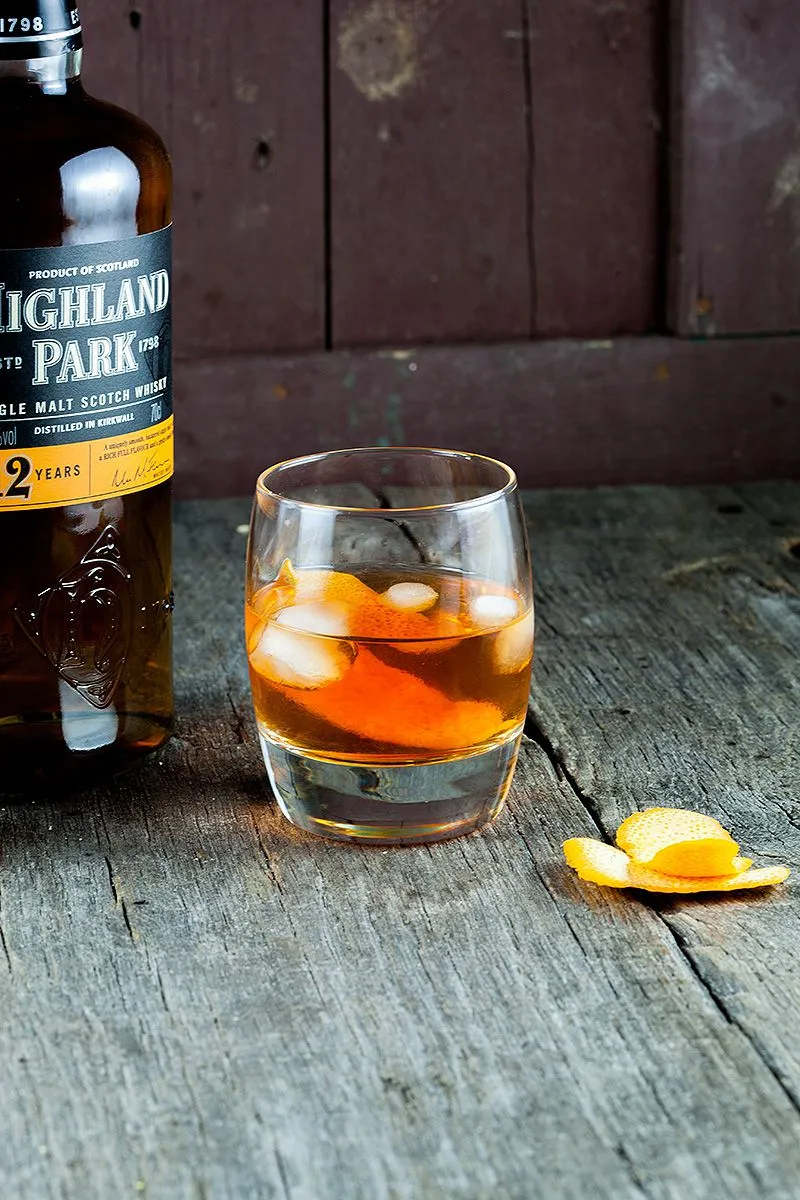
Ohmydish already has whisky cocktails such as the Old Fashioned and the Manhattan. In a cocktail, sugar and bitters soften a lot. At the table nothing sits between the whisky and the food, so the bottle matters far more.
How region and cask shape flavour
Scotch must be distilled in Scotland and matured there in oak casks for at least three years, then bottled at no less than 40% ABV. Inside those rules, the distillery's style does much of the work. It loosely follows region: grassy in the Lowlands, peaty on Islay, broad and varied in the Highlands, oily and salty in Campbeltown.
Then there is the cask. Most Scotch matures in ex-bourbon barrels of American oak, which give vanilla and coconut. Sherry casks of European oak give dried fruit and a darker colour. Clove or cinnamon often turns up too.
When we pair whisky with food, we look at the cask before the region. Two malts from neighbouring distilleries can taste nothing alike if one spent twelve years in bourbon barrels and the other in sherry butts.
Speyside and sherry casks: roasts, chestnuts and chocolate desserts
Around fifty distilleries sit along the river Spey and its tributaries in the north-east. Bourbon-cask Speyside malts are fruity and rounded, with pear and honey. If you cook, the sherried ones are the bottles worth owning.
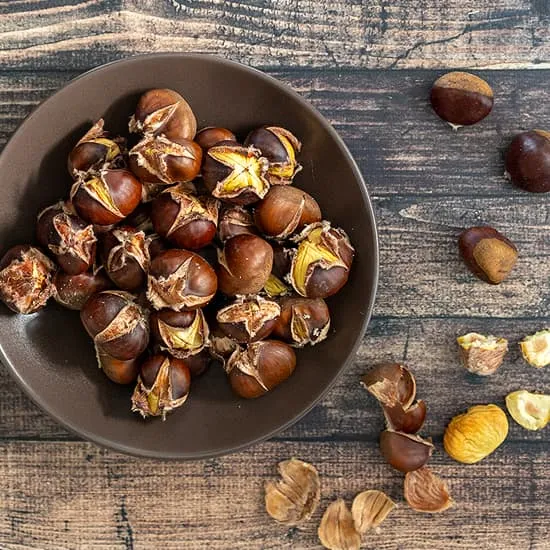
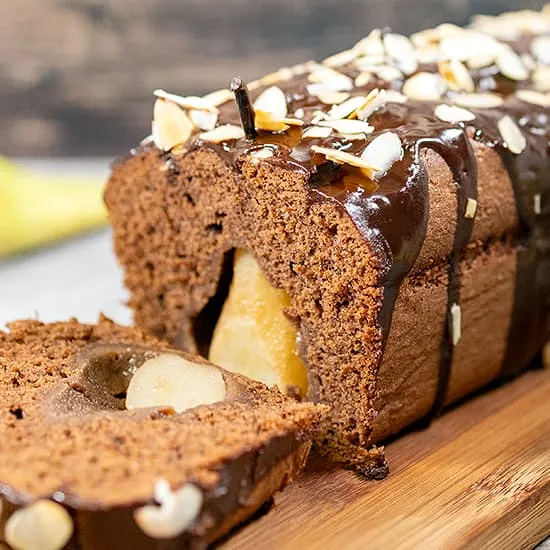
Oloroso and Pedro Ximénez casks give these malts the dried fruit and Christmas cake notes that sit so well beside a pear and chocolate loaf cake, or a bowl of roasted chestnuts still warm from the oven. The Whisky Club, an Australian members' club, has an 11 year old Speyside from Benriach, the 2013 Triple Sherry Cask, matured in casks that include both. A small pour of it next to a slice of that loaf cake is about as good as this pairing gets. For more bottles to try it with, The Whisky Club's guide to the best scotch whisky in Australia gives the region for each of its ten picks, so the Speyside malts are easy to find.
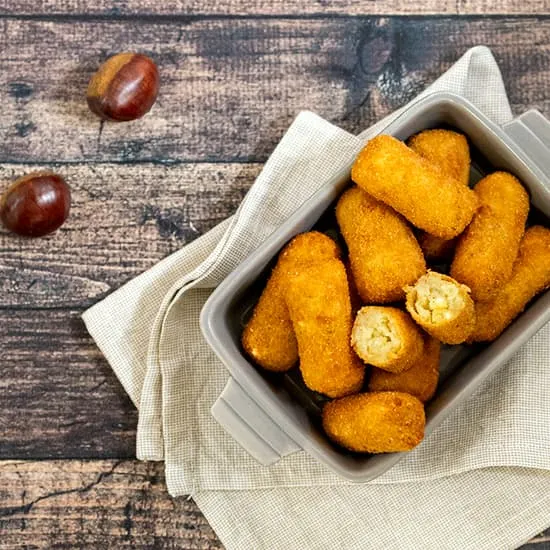
Roast pork is our first choice for a sherried malt at dinner. Duck breast with a cherry or plum sauce comes close behind, because the dried fruit in the glass picks up the sauce while the fat in the meat softens the alcohol. Chestnut croquettes work for the same reason. Keep it well away from delicate white fish such as sole, which it will overpower.
Highland: roast chicken and mild cheese
The Highlands are the largest Scotch region, with no single house style.
Glenmorangie, in Tain, matures most of its spirit in ex-bourbon casks. Its standard bottling tastes of orange peel and vanilla, and it is the one we would pour with a roast chicken and lemon. A young Comté works too.
Further north, Old Pulteney in Wick has a light salty edge that suits a pot of mussels. Try it with a fish pie on a cold night.
If the label does not name the cask, assume bourbon barrels and treat the whisky like a lighter Speyside.
Lowland: fish and fresh cheese
Lowland whisky is the lightest Scotch you can buy. Auchentoshan, near Glasgow, still distils all its spirit three times. That removes heavier compounds and leaves a clean, grassy malt. Bladnoch, in the far south-west, is softer again, with a light floral note.
Next to a rich stew, a Lowland malt disappears. Save it for the start of the meal. Smoked trout on rye bread is a good match, and so is a salad with fresh goat's cheese. It is also the bottle to offer a guest who says Scotch is too heavy with food.
Islay: smoked fish and blue cheese
Most Islay distilleries dry their malted barley over peat fires, and the smoke carries into the spirit as phenolic, medicinal notes. Laphroaig and Ardbeg are the strongest examples. Bunnahabhain makes mostly unpeated whisky, so check the label before you assume smoke.
Peated whisky needs strong flavours beside it. Smoked salmon and Roquefort are the classic matches. Some people pour a few drops onto a raw oyster, which sounds odd until you try it. Lamb from the barbecue is worth a go as well, since the smoke on the meat meets the smoke in the glass.
Desserts are a different story. Islay whisky is a poor match for most of them and for anything delicate, and plenty of guests find it too much. For a mixed table, keep the Islay for the cheese course.
Campbeltown: salt, oil and a little smoke
Campbeltown, on the Kintyre peninsula, had more than twenty distilleries in the nineteenth century. Three work today. Springbank and Glen Scotia bottle under their own names. The third, Glengyle, sells its whisky as Kilkerran.
Expect an oily, slightly briny malt, often with a touch of smoke. That suits a mature cheddar, or smoked mackerel pâté on toast. Springbank is often hard to find at its retail price, so start with Glen Scotia.
Serving Scotch with dinner
Pick the dish first, then the whisky. Around 25 ml per person at room temperature is plenty. Put a jug of water on the table too. A few drops of water lower the alcohol enough for the food to come through, and that matters most with cask strength bottlings above 55% ABV.
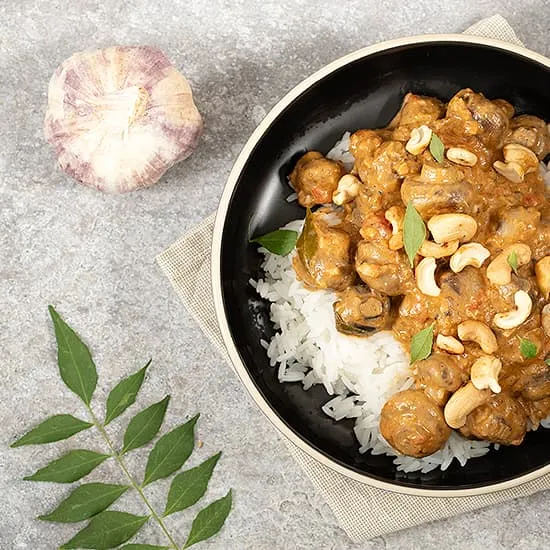
Skip Scotch altogether with a hot curry or anything heavy on chilli. Alcohol makes the heat stronger.
There aren't any comments left behind yet you can be the very first to comment!