
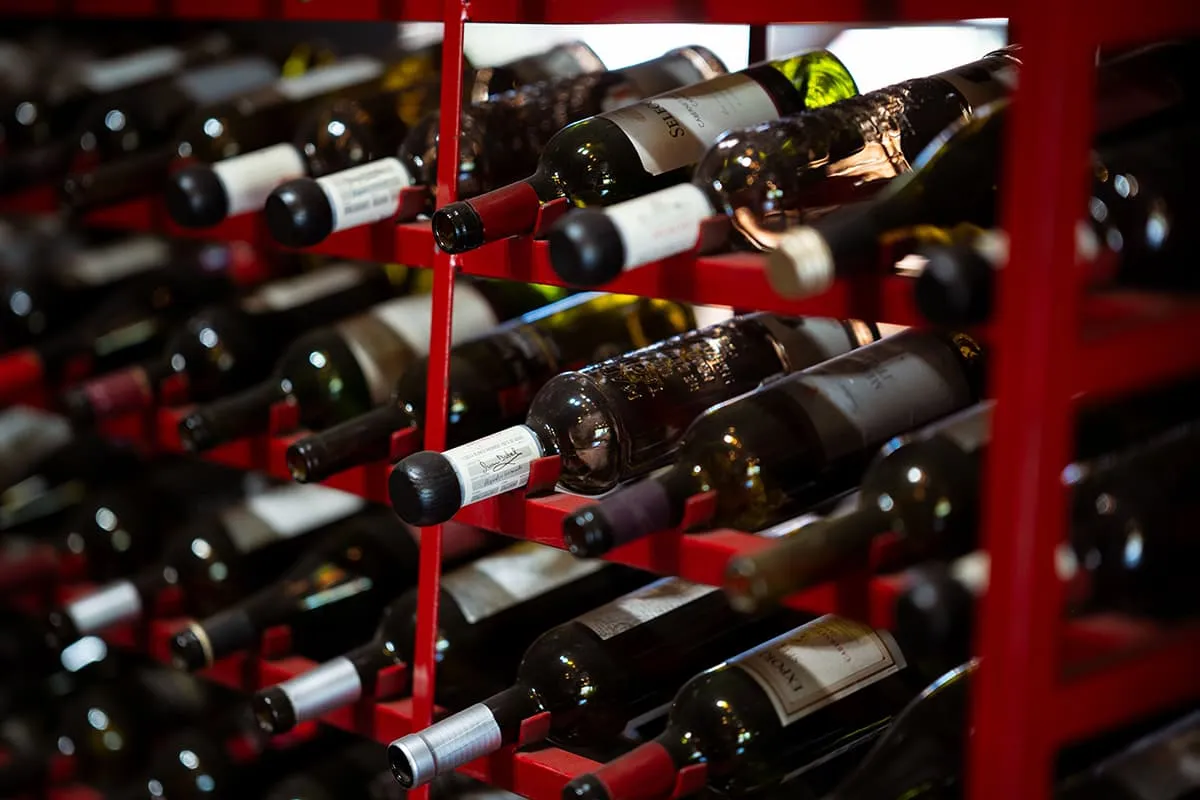

A wine collection has a way of growing faster than expected. One bottle becomes a few, and before long, you are making decisions about where everything should sit and how long it should stay there.
Many collectors turn to metal wine racks for their clean lines and open feel, but that openness comes with a few practical considerations. The aim is simple enough. Keep the wine stable, protected, and easy to reach without turning storage into guesswork.
Finding The Right Angle To Store Bottles Properly
There is a reason seasoned collectors rarely stand bottles upright for long. Wines sealed with corks rely on a small amount of contact between liquid and cork to stay in good condition. Lay them flat, and the cork stays supple. Leave them upright for months, and the seal can dry out, letting in just enough air to dull the wine over time.
Open racks tend to display bottles clearly, which is part of their appeal. Still, a display should not feel precarious. Each bottle should sit comfortably in its slot without rocking or shifting when touched. In homes where there is regular movement, even small vibrations can unsettle sediment, particularly in older reds. This is not something you notice immediately, but it changes how the wine pours and tastes with time.
Keeping Heat And Light From Undermining Quality
Heat is often the silent spoiler behind disappointing bottles. Wine prefers a steady range, usually between 12 and 15 degrees Celsius, yet open racks leave it exposed to whatever the room is doing. A position near windows or kitchens might seem convenient, though those areas rarely hold a consistent temperature.
For more control, a wine cellar climate control system can steady the environment without constant adjustment. The right unit can regulate both temperature and humidity, creating conditions that support ageing rather than working against it.
Light introduces a slower problem. Direct or harsh lighting gradually alters the wine’s structure, taste and quality. A shaded spot with softer light may feel less striking, though it gives the wine a far better chance to develop as intended.
Sorting Your Collection In A Way That Feels Natural
Organisation can easily drift into overthinking. The goal is not to build a perfect system; it is to make the collection easy to live with. Grouping wines by type is a straightforward starting point. Reds together, whites in their own space, sparkling somewhere accessible for the moments that call for it.
From there, it helps to think about timing. Bottles meant for near-term drinking should not be buried behind those intended for ageing. It saves you from unnecessary shuffling, which in turn reduces the risk of knocks or drops. Some collectors prefer to sort by region or varietal, others by occasion. There is no single right approach, only the one that lets you reach for a bottle without second-guessing where it might be.
Distributing Weight Evenly Across Open Rack Sections
It is easy to assume that a sturdy rack will handle anything placed on it. In reality, weight still needs to be balanced. Concentrating heavier bottles in one section can place strain on joints or mounting points, especially over time. Spreading them out keeps the structure working as intended.
Wall-mounted racks deserve a closer look during installation. A secure fixing into a solid surface makes a noticeable difference, particularly as the collection grows. If you are considering different layouts or configurations, it is worth exploring options that suit both your space and the weight you expect to carry.
Allowing Airflow While Keeping Dust Under Control
Open designs naturally invite airflow, which helps prevent stale or musty conditions from developing around the bottles. At the same time, exposure means dust settles more quickly than it would in enclosed storage. It is a small trade-off, though one that is easy to manage with occasional cleaning.
A soft cloth usually does the job without disturbing the arrangement. There is no need for anything more involved. What helps more is leaving enough space around the rack so air can move freely. Packing the area tightly with furniture or décor tends to work against that, creating pockets where air stagnates.
Final Thoughts
When you have a well-organised rack, bottles sit where they should, the environment stays consistent, and choosing what to open feels straightforward.
With a bit of care and a willingness to adjust as your collection grows, metal wine racks can hold their own as both a storage solution and a subtle feature in the room.






There aren't any comments left behind yet you can be the very first to comment!