
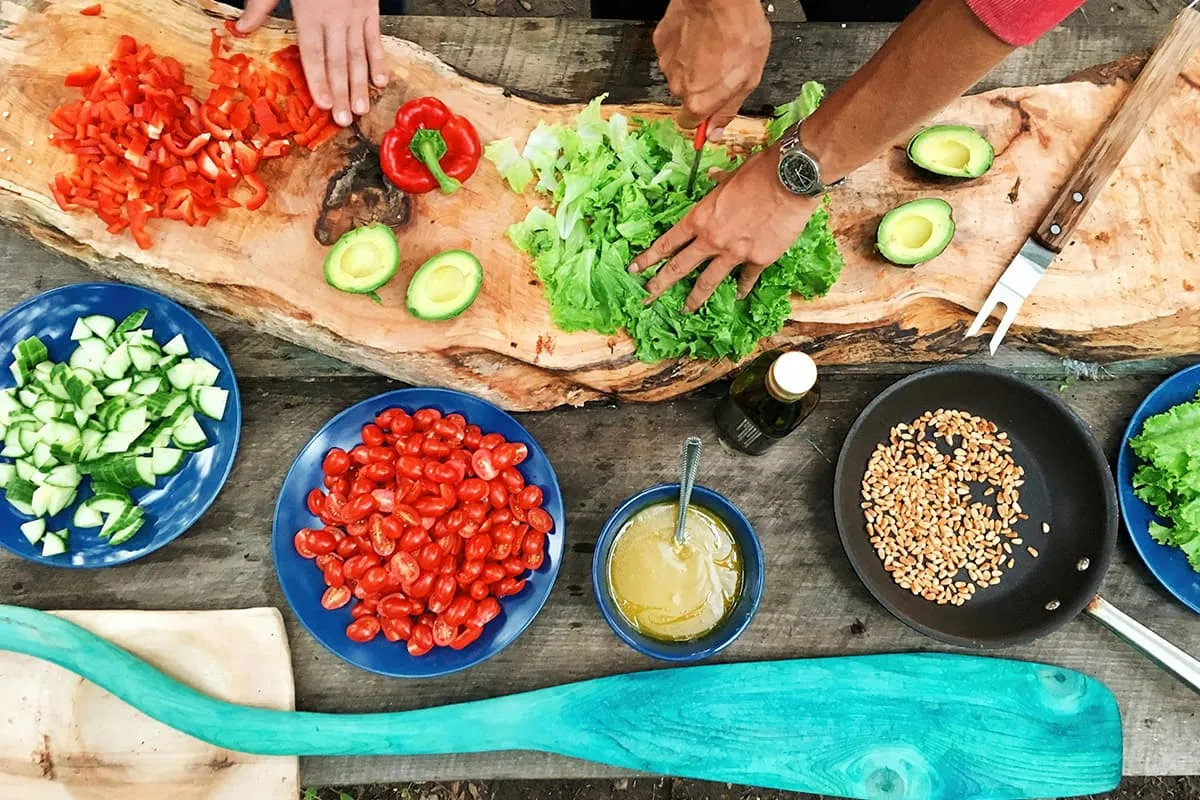

A cutting board holds onion skins, a dull knife, and one lemon that feels softer than yesterday. You open the fridge, then close it, because nothing quite matches your mood. The problem is not skill, it is decision fatigue at dinnertime.
Tarot can work as a practical prompt when you feel stuck in that moment. One card can help you name what is getting in the way, then choose a small next step you can finish. If you draw Ten of Swords reversed, read it as a sign to stop piling on pressure, clear the board, and reset with a simpler plan.
Treat Tarot Like A Kitchen Prompt, Not A Prophecy
Tarot works best in the kitchen when you use it to guide choices you can test. Think of it as a way to frame your attention before you cook. You stay in charge, and the cards simply add structure.
Start by setting a tight question tied to a real task you will do today. “What will make dinner simpler tonight?” works better than “What will happen this week?” You want an answer that leads to chopping, simmering, or shopping.
Keep a small notebook near your spice rack, and write the question and the card name. Add one sentence about the first thought you had, before you overthink it. Over time, you will spot patterns that match your habits.
If you pull a heavy card, do not force a fancy meal to “fix” it. Heavy cards often point to a basic need, like rest, warmth, or fewer steps. That can mean soup, eggs, or a tray bake with frozen vegetables.
Use A Three Card Spread For Dinner Planning
A simple spread can move you from vague craving to an actual plan you can cook. Keep the spread short, so it stays useful on busy nights. This one works well when you have limited time and mixed ingredients.
Use three cards and label them with clear roles:
- What I Have (your pantry, energy, and time tonight)
- What I Need (one missing piece, like crunch, protein, or comfort)
- The Method (a cooking approach, like roast, stir fry, simmer, or no cook)
After you draw, translate each card into one concrete food choice. Cups can point to sauces, broths, and soft textures like oats or yogurt. Pentacles can point to roots, grains, beans, and budget friendly staples. Wands often fit quick heat, grills, spices, and bold toppings.
Swords can point to cuts, timing, and sharp choices, like “use what will spoil first.” They can also point to stress, so your best move might be a shorter recipe. If the spread feels confusing, pick one card to follow and keep the rest as notes.
Add one safety check before you cook, especially with meat, fish, and leftovers. A simple guide to safe minimum internal temperatures is available from USDA’s FSIS site. Use it when you are unsure about doneness or reheating.
Turn “Bad Meal Energy” Into A Reset With Ten Of Swords Reversed
Every home cook has nights where nothing lands, even with a good recipe. The sauce splits, the rice clumps, or the chicken turns dry. That can spiral into harsh self talk, which makes tomorrow’s dinner harder too.
That is where Ten of Swords reversed can be a helpful kitchen cue. In many readings, it points to the pain easing and the start of recovery. In cooking terms, it can mean “stop the slide,” then choose one repair step.
Use a short reset routine that takes under five minutes. First, name what went wrong in plain words, like “too much heat,” or “salt added too early.” Second, choose one tiny fix you can do now, like adding acid, adding water, or turning off the burner. Third, decide what you will do differently next time, in one line.
If the dish is beyond saving, treat that as data, not drama. Make toast, heat a frozen meal, or cook eggs, then write one sentence in your notebook. A simple “I learned that my pan runs hot” is enough.
You can also use the card to plan a recovery meal for the next day. Choose foods that feel steady and forgiving, like lentil soup, sheet pan vegetables, or pasta with a simple tomato sauce. That supports the theme of getting back on your feet without punishing effort.
Pair Cards With Ingredients To Build Flavor Skills
Tarot can help you practice flavor building without needing new gadgets or rare ingredients. You pick a card, then use it to guide one element, like texture or seasoning. This trains your senses in a calm, repeatable way.
Try these pairings as a starting point, then adjust to your taste:
- The Empress: fresh herbs, olive oil, ripe tomatoes, and soft cheeses
- The Magician: one “bridge” ingredient, like mustard, miso, or lemon zest
- Temperance: balance sweet, salt, acid, and fat with small tasting steps
- The Hermit: a quiet meal, like congee, stew, or baked potatoes with toppings
When you test a pairing, keep the change small so you can taste what happened. Add one teaspoon of vinegar, or one pinch of chili, then taste again. Write down the result in plain language, like “brighter,” “warmer,” or “needs more salt.”
If you want a reliable way to track food storage and reduce waste, use a basic date label system. Many extension programs share clear, practical storage guidance for common foods. Oregon State University Extension has food storage resources that can help you time leftovers and produce.
Use that alongside tarot prompts, not against them. The cards can guide the meal idea, while storage rules guide what must be used first. That blend keeps the practice grounded and reduces the stress of wasted groceries.
A helpful weekly habit is a “pantry pull” reading on the same day each week. Ask, “What should I use up first?” then pull one card. Cook one meal based on what will expire soon, and freeze one portion if you can.
A Simple Kitchen Ritual You Can Repeat
Pick one question, pull one card, then translate it into one cooking action you can finish tonight. Keep notes short, and focus on what you can taste, store, and repeat. With time, tarot becomes a calm cue for planning, recovery, and better meals.
There aren't any comments left behind yet you can be the very first to comment!