
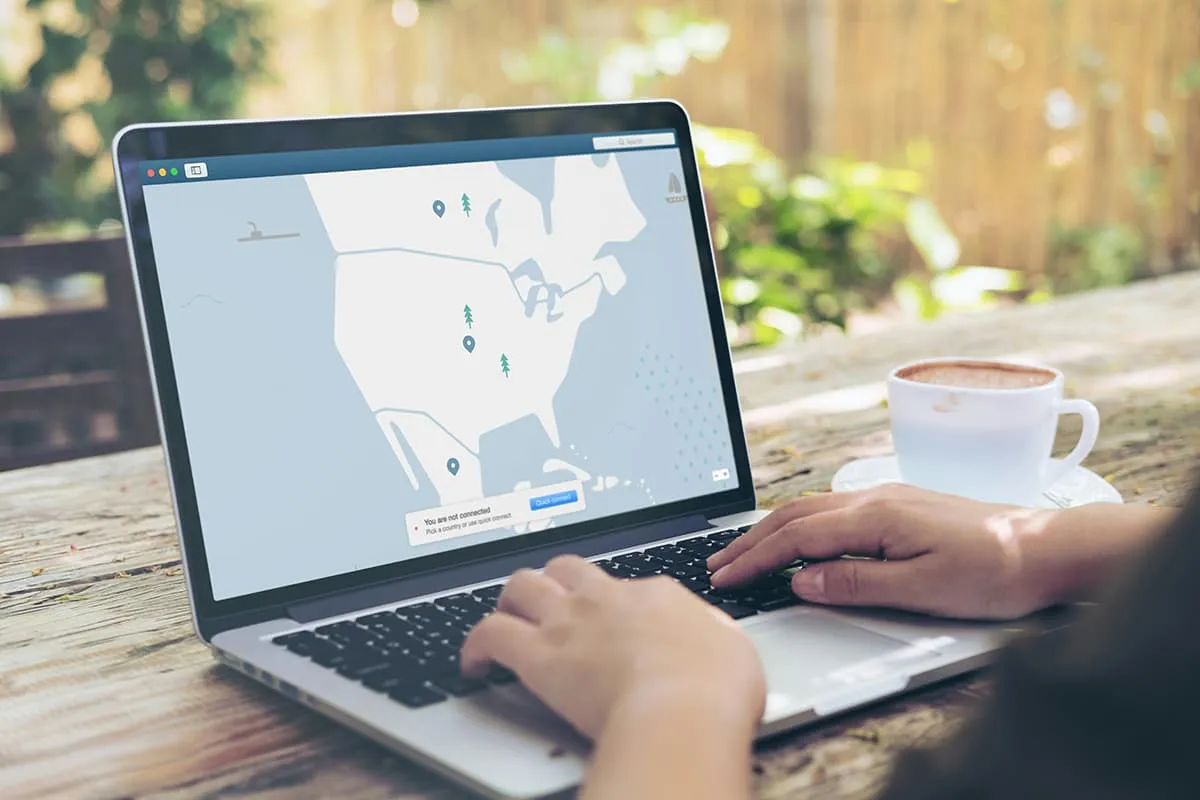

Food has always been one of the best ways to experience a culture. Whether you are searching for the perfect ramen shop in Tokyo or trying to recreate a traditional Italian pasta recipe at home, the internet has become an essential ingredient in modern food culture.
Recipes, restaurant reviews, making reservations, cooking videos and travel recommendations are now deeply connected to our online habits. For many travellers and food enthusiasts, using a vpn has become part of that experience. While VPNs are often associated with cybersecurity or office work, they also play a surprisingly practical role for people who love cooking, dining and culinary travel.
From accessing region-specific content to protecting personal information while using public Wi-Fi in cafés or airports, VPNs are becoming a common tool for people who spend a lot of time exploring food culture online.
Why use a VPN while travelling?
One reason food lovers use VPNs is access to location-based content. Streaming platforms, recipe websites and even restaurant booking systems sometimes display different content depending on where a user is located.
The same issue appears with online grocery services and restaurant apps. Some platforms change prices, menu items or delivery availability depending on a visitor’s location. Travellers often discover that food delivery apps they rely on at home work very differently abroad. Using secure internet tools can also help maintain consistency and privacy while navigating unfamiliar digital services.
Remote work while travelling
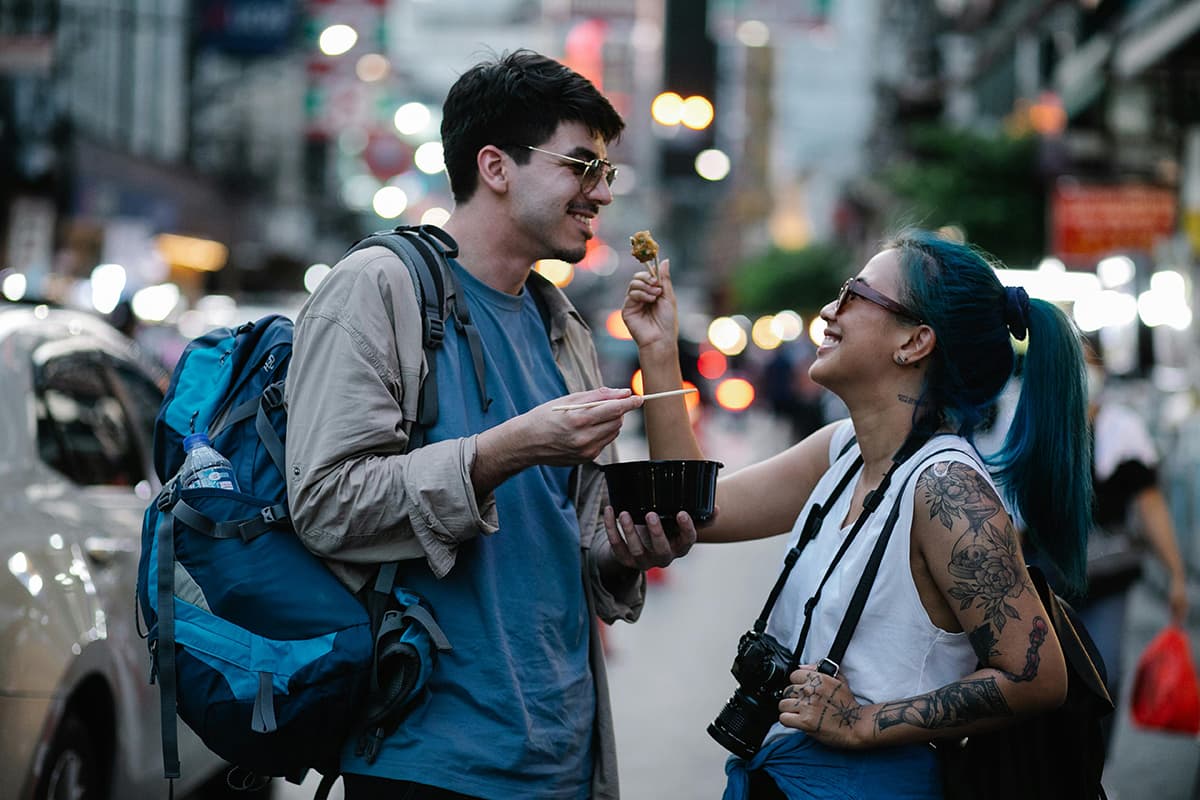
Another growing trend is the rise of remote work combined with food tourism. Many digital nomads now plan trips around culinary experiences. Cities like Lisbon, Bangkok and Seoul have become popular partly because they offer strong café cultures alongside affordable living and excellent food scenes.
Remote workers frequently spend hours connected to public Wi-Fi in restaurants, cafés, airports and co-working spaces. Public networks are convenient, but they can also expose browsing activity and personal data to security risks. That matters more than people realise.
Food travel today involves far more than simply searching for restaurants. Travellers log into banking apps, book accommodations, upload travel photos, manage loyalty programs and store payment information on food delivery services. A VPN adds an extra layer of encryption that helps reduce exposure when using unsecured networks.
Recipe websites and privacy
Privacy concerns are also increasing in the broader world of online advertising. Recipe websites and platforms often rely heavily on targeted advertising and user tracking. If someone spends a week researching espresso machines, sourdough techniques or Michelin-starred restaurants, they may suddenly see related advertisements across nearly every platform they visit. Some internet users prefer limiting how much browsing data is collected about their habits, including their food interests and travel plans.
At the same time, food content itself has become more global than ever. Social media has accelerated international food trends at an incredible pace. A pastry trend that starts in Paris can appear in cafés across North America within weeks. Viral recipes spread through TikTok, YouTube and Instagram at extraordinary speed. However, not every creator or platform is equally accessible worldwide. Some countries restrict certain apps, while others license media differently depending on region.
Online entertainment and vpn
The relationship between technology and food culture extends beyond entertainment as well. Online reservations, QR-code menus, mobile payments and app-based ordering systems are now standard in many cities. In some restaurants, diners barely interact with paper menus anymore. While these systems create convenience, they also increase the amount of personal data shared through connected platforms.
Interestingly, younger travelers are often the most comfortable combining digital privacy tools with food exploration. Many Gen Z travelers research restaurants through social platforms instead of traditional review sites. They rely on location-based recommendations, short-form videos and community-driven food guides. Because they are already accustomed to managing their online identities carefully, using privacy-focused tools feels like a natural extension of everyday internet use.
Of course, VPNs are not a magic solution for online safety. Experts still recommend using strong passwords, enabling two-factor authentication and being cautious with unfamiliar websites or public networks. Good digital habits matter far more than any single app or subscription. Still, VPN usage reflects a broader trend: internet users are becoming more aware of how much of their lives now exist online, including the way they experience food culture.
For food enthusiasts, the internet is no longer separate from dining and travel experiences. It influences where people eat, what they cook, which restaurants become popular and how culinary trends spread around the world.
Bottom line
Technology shapes modern food culture just as much as television once did decades ago. Whether someone is researching regional specialties before a trip, working remotely from a café, or streaming cooking tutorials from another country, digital tools increasingly sit alongside recipes and restaurant recommendations in everyday life.
As food culture continues becoming more international and internet-driven, conversations about online privacy and accessibility will likely remain relevant. The modern culinary experience is not just happening in kitchens and restaurants anymore: it is happening across apps, websites, videos and connected devices used every day by travellers and home cooks alike.
There aren't any comments left behind yet you can be the very first to comment!