
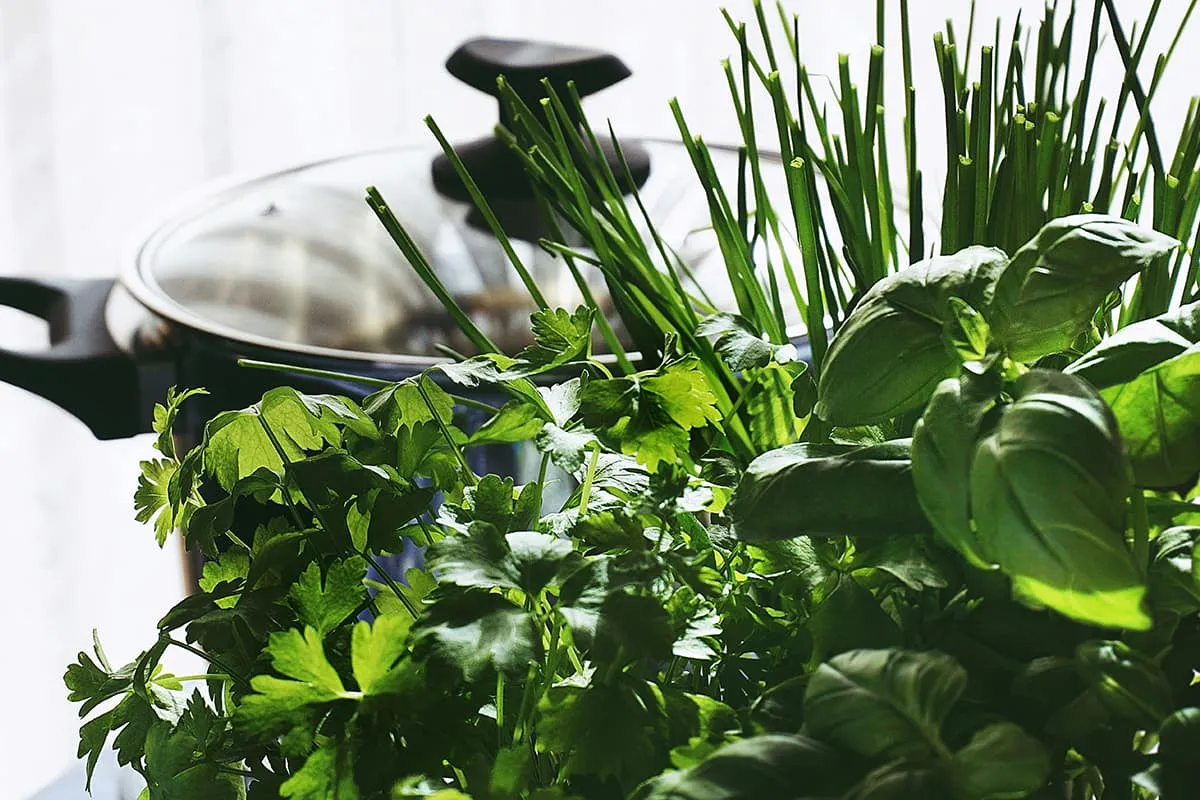

You bring home fresh herbs or flowers expecting days of use, yet within hours, they start to fade and wilt. That drop in quality is not really random.
Postharvest research shows that over 40 percent of freshness is lost shortly after cutting, so how much more after purchase? Here's how you slow that decline, protect flavor, and keep every stem working longer the way you want it.
Treat Herbs and Flowers like Produce, Not Decoration
You need to think of herbs as thriving greens that still breathe and need some attention. Meaning, the moisture balance and airflow matter more than just refrigeration, especially at home.
Start by separating soft herbs like basil, cilantro, and parsley from woody ones like thyme and rosemary. Soft herbs do best upright in a glass with a little water, loosely covered with a plastic bag to hold humidity inside. Most woody herbs prefer being wrapped in a slightly damp paper towel, sealed, and kept in your fridge while not in use.
The same tweak goes for some edible flowers in your kitchen. The reason is quite simple science. Soft herbs and flowers lose water quickly through thin leaves, while woody ones store moisture in their stems. The Journal of Food Science confirms that controlled humidity slows respiration and reduces wilting in leafy herbs.
Cut, clean, and control temperature like a florist
You can actually keep cut flowers alive longer with a few small changes and tweaks in your handling. More often, early wilting comes from bacteria clogging the stems, not the flowers dying by themselves.
So, trim each stem at a 45-degree angle under running water, then place it in a clean vase with lukewarm water to boost its hydration. Just remove any leaves below the waterline to keep things clean and bacteria-free. Then change the water every two days, and you can extend their life by up to 60 percent more.
Smart sourcing matters more than you think
You cannot preserve what's already declining and dying. That's why where and how you get your herbs and flowers matter just as much as how you store your picks.
For instance, when you plan a dinner or event, you need timing. Most often, fresh-cut stems can give you their best appearance and scent within 24 to 48 hours. However, if you really want sound quality without last-minute store runs, you can simply order flowers for delivery online. It's like getting the best without much to think about, since they’re always crafting fresh blooms for every customer.
More experienced providers like these will always make sure your bouquet arrives at peak freshness, often shipped directly from flower plantations. Even the global floral industry reports confirm that direct-to-consumer delivery reduces transit time and preserves stem quality better than traditional retail chains, apart from becoming a fad.
Turn extra herbs into flavor insurance
You need not compromise and just keep tossing herbs even if they've started wilting. Often, with a simple shift, you can turn them into ready-to-use flavor boosters that fit your routine and every dish you make.
Chop them, place them in an ice tray, and fill with olive oil or water before setting them to freeze. Cubes like this can drop straight into soups or sauces whenever you need them. Freezing these stems and leaves can help lock in flavor and nutrients.
Studies even show it preserves delicate herbs like basil and dill better than drying, giving you stronger tastes every time you plop a cube into your cooking.
Use simple, food-safe preservatives that work
You don’t need pricey flower food to keep blooms fresh. You can make a simple mix at home that works just as well.
Combining one teaspoon of sugar, one teaspoon of white vinegar, and drops of bleach in one liter of water can easily do the trick. It's a blend that can feed the flowers, improve water uptake, and slow bacteria build-up.
For your herbs, skip soaking the leaves since excess moisture leads to mold and decay. Just keep the stems hydrated while the leaves stay dry, and you'll be able to slow spoilage naturally.
Time your prep for meals and gatherings
Freshness, which can usually influence your cooking, is not just about storage; it's about timing most of the time. You can plan smarter so that your herbs and flowers peak exactly when you need them to.
Prepare your herbs the same day you cook when possible, or store them properly and revive them in cold water for 10 minutes before use. For flowers, arrange them a day before your event, then keep them in a cool room overnight.
Event planners often use this timing method because it aligns with natural opening cycles of flowers. It is a small shift that makes a noticeable difference in presentation.
Keep freshness working for you, not against you
You now have control over something most people just leave to sheer luck. With more determined efforts, you can stretch the life of your herbs and flowers, reduce waste, and improve both meals and spaces.
Put these methods into practice the next time you shop or prepare. Freshness is not luck; it is a system you can run every day.
There aren't any comments left behind yet you can be the very first to comment!