

If you're the kind of home cook who grows a good chunk of what ends up on the dinner table, whiteflies are probably a name you already dread. Anyone building their own kitchen garden to fuel weeknight dinners, salads, or a batch of fresh sauce knows the frustration of watching tomato leaves turn yellow and sticky just as the harvest is about to pay off.
Since so many of us at Ohmydish lean on homegrown produce for our vegetarian recipes, protecting those crops from pests is just as important as picking the right variety of basil or peppers to grow in the first place.
Whiteflies are tiny, sap-sucking insects that cluster on the undersides of leaves and multiply at an alarming rate once the weather warms up. Many gardeners have heard that certain companion plants can help keep them away, and that advice is generally sound. The problem is not the concept of repellent planting itself, but the way it's often applied. Small missteps in timing, placement, and follow-through can turn a promising strategy into a wasted growing season. Below are the most common mistakes home gardeners make with whitefly-repelling plants, and what to do differently.
Mistake 1: Planting Repellent Flowers Too Far From Vulnerable Vegetables
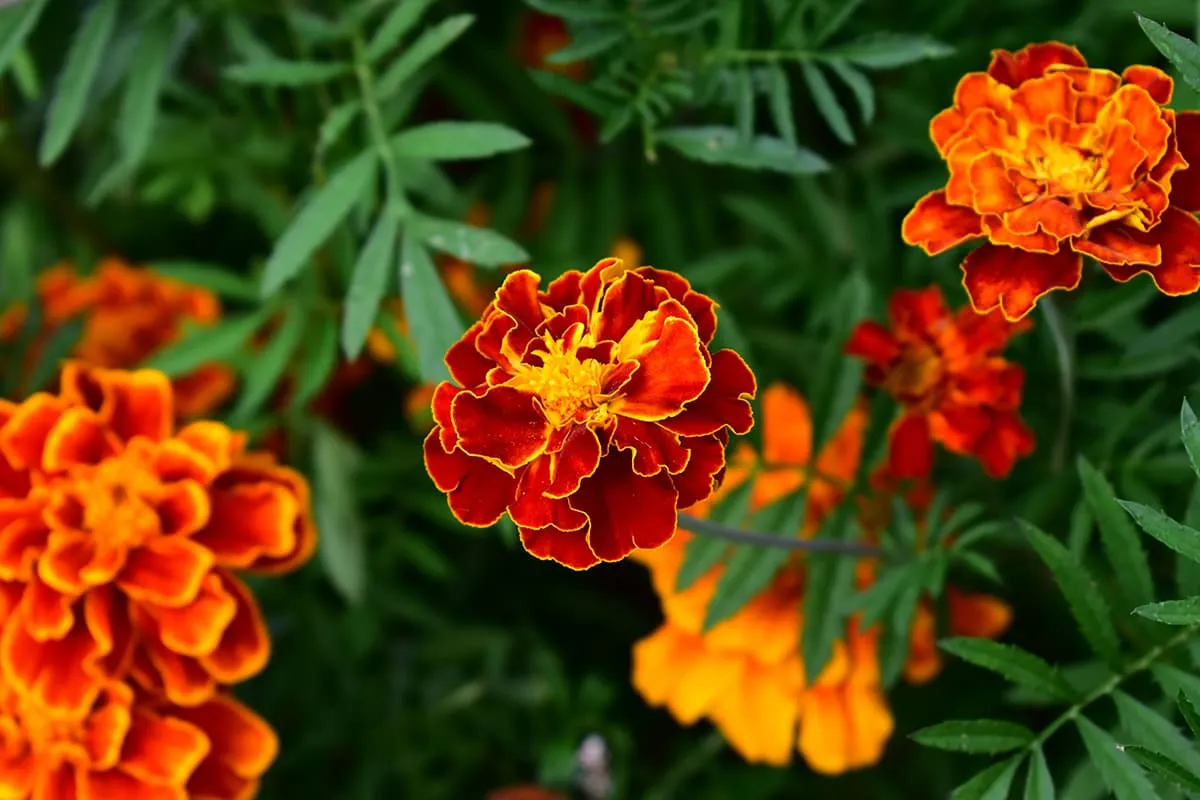
One of the most frequent errors is treating repellent plants like decoration rather than functional garden infrastructure. Marigolds tucked along a distant fence line or nasturtiums confined to a single ornamental bed will not do much for tomatoes or peppers planted forty feet away. Whiteflies respond to the scent and visual disruption these plants create at close range, which means proximity is the entire point. A repellent plant that isn't interacting directly with the vegetables it's meant to protect is essentially just another flower in the yard.
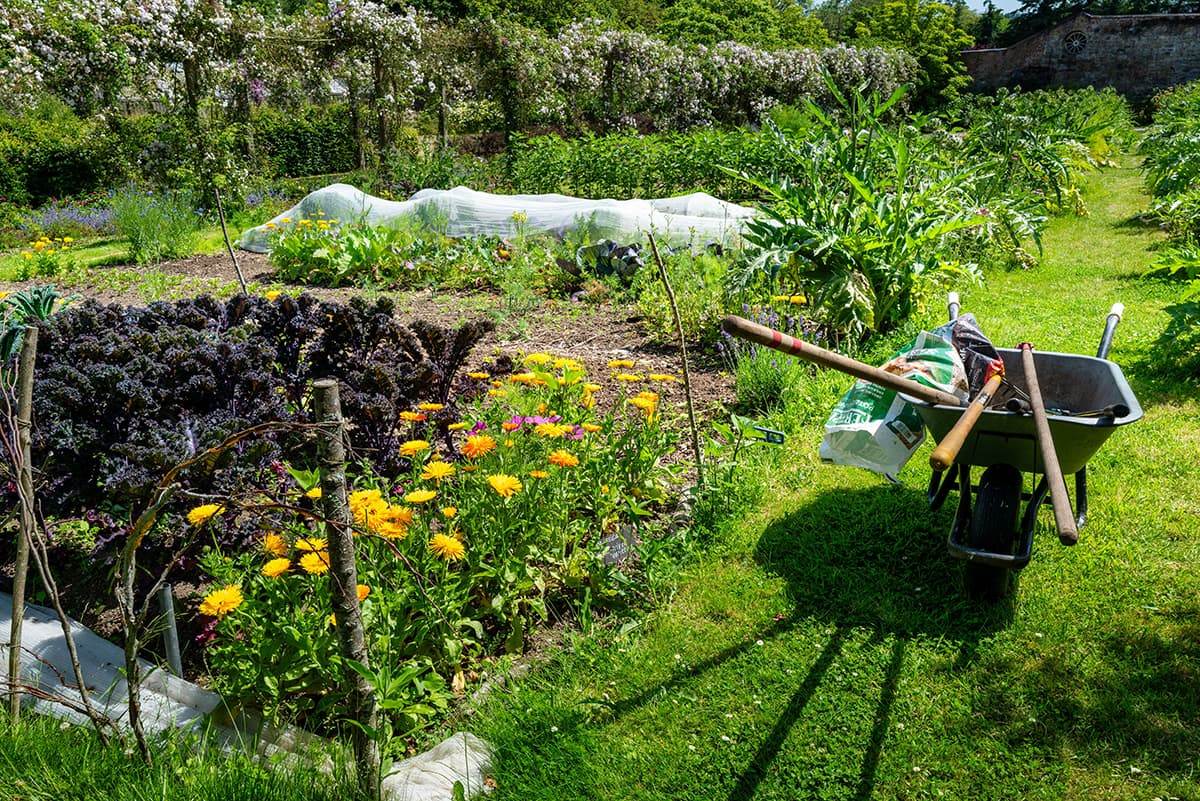
The fix is straightforward: interplant rather than border-plant. Tuck marigolds or nasturtiums directly between rows of susceptible crops like tomatoes, cucumbers, and squash, spacing them every few feet rather than clustering them in one corner. For a deeper look at which species actually work and how to position them, the guide on 6 plants that repel whiteflies breaks down specific options that pair well with common vegetable garden layouts. Getting the spacing right takes a little more planning than a border planting, but it's the difference between a strategy that works and one that just looks nice.
Mistake 2: Waiting Until Infestation Is Severe Before Planting
Another common mistake is reaching for repellent plants only after whiteflies have already taken hold. By the time leaves are visibly speckled or covered in the telltale sticky honeydew, adult whiteflies have usually already laid hundreds of eggs. Companion planting at that stage is a bit like locking the door after the house has already been robbed. These plants work by disrupting whitefly behavior before populations establish themselves, not by driving out insects that are already settled in.
According to Gardenary, companion planting works best as prevention rather than a cure once whiteflies are already established, which means repellent plants need to go in early, before any sign of trouble, to actually be effective. The practical takeaway is to plan your repellent species alongside your main crops at the very start of the season, not as an afterthought once problems appear. If you're transplanting seedlings in spring, that's the moment to tuck in marigolds or catnip too, not three weeks later when the damage is already visible.
Mistake 3: Relying on Repellent Plants Alone Without Integrated Pest Management
Some gardeners treat companion planting as a complete solution rather than one piece of a larger system. Whiteflies reproduce so quickly and in such volume that no single method, plant-based or otherwise, is likely to handle an established population on its own. Leaning entirely on repellent plants while ignoring other tools often leads to disappointment and the mistaken conclusion that companion planting simply doesn't work.
A more realistic approach pairs repellent plants with a few other low-effort tactics. Regular sprays of water or diluted insecticidal soap on the undersides of leaves can knock down existing populations, while yellow sticky traps placed near vulnerable crops catch adults before they lay more eggs. Combining these methods with your planting strategy creates layered protection, where each tactic covers a gap the others miss. Gardeners who treat repellent plants as one tool among several tend to have far better long-term results than those expecting the plants to do all the work by themselves.
Mistake 4: Neglecting Beneficial Insect Attraction
A more subtle mistake is choosing repellent plants purely for their scent-based deterrent effect while overlooking their second, often more powerful function: attracting beneficial insects. Zinnias, dill, and yarrow don't just make whiteflies less inclined to settle nearby, they also draw in predatory wasps, lacewings, and hoverflies that actively hunt whitefly nymphs and eggs. Skipping these species in favor of only the most well-known repellents means missing out on a natural predator system that can handle the pests your plants don't fully deter on their own.
Building a bed that includes both direct repellents and beneficial-insect attractors gives you protection from two angles at once. It also tends to make the garden more resilient overall, since a healthy population of predatory insects helps with other pests beyond whiteflies too. The table below outlines some of the biological realities that make whiteflies such a persistent problem, which helps explain why a multi-layered approach matters so much.
These numbers make it clear why timing and consistency matter so much when using repellent plants. A pest that can complete its life cycle in under three weeks and produce a dozen overlapping generations in a single season isn't going to be discouraged by a few marigolds planted after the fact. Avoiding these four mistakes, poor placement, late planting, over-reliance on a single method, and ignoring beneficial insects, gives home gardeners a far better shot at keeping whiteflies away from the vegetables that end up feeding the family all summer long.


There aren't any comments left behind yet you can be the very first to comment!