

My grandmother ate the same breakfast for thirty years: a slice of toast with margarine and a cup of instant coffee. It was quick, it was comforting, and it was doing almost nothing for her. By her late seventies she was tired by ten in the morning, and no amount of coffee fixed that.
What she actually needed was more protein and fewer empty carbohydrates before nine a.m., something a lot of older adults never quite figure out because nobody tells them their breakfast habits need to change as they age.
Why breakfast needs change with age
The body gets pickier about nutrients as it gets older. Muscle mass declines faster after sixty, appetite shrinks, and the gut absorbs certain vitamins less efficiently than it used to. A rushed slice of toast or a bowl of plain cereal simply cannot carry the nutritional weight that breakfast used to carry at thirty. The fix is not complicated, but it does mean rethinking a few habits that may have been on autopilot for decades. For a closer look at the best foods seniors start your day with, the short version is this: more protein, more color, and less reliance on toast alone.
Protein-forward plates that take no effort
Eggs are the easiest place to start, and they do not have to be boring. Two soft scrambled eggs with a handful of spinach and a sprinkle of feta take under five minutes and deliver about twelve grams of protein, roughly a third of what an older adult should be eating over the course of the whole day just from that one plate.
Smoked salmon on a thin slice of rye, with a little cream cheese and capers, is another option that needs no cooking at all and works well for anyone who finds standing at a stove tiring first thing in the morning. Greek yogurt with walnuts and a drizzle of honey is a third, and it keeps well when portioned into small jars the night before.
Hydration hides inside the meal itself
Hydration tends to get overlooked because thirst itself becomes a less reliable signal with age. A lot of seniors do not feel thirsty until they are already mildly dehydrated, which shows up as fogginess or fatigue that gets blamed on other things. Starting the morning with a full glass of water before coffee, or blending a smoothie with kefir, banana, and a spoonful of peanut butter, folds hydration into the meal instead of treating it as a separate chore. Kefir in particular is worth keeping in the fridge since it doubles as a source of protein and gut-friendly probiotics.
Closing the vitamin D and B12 gap
Vitamin D and B12 are the two nutrients most likely to fall short, and both are easier to fix at breakfast than people expect. According to the American Heart Association, roughly half of women over 71 are not meeting their daily protein targets, and the guidelines call for a jump in vitamin D intake at that same age, from 15 micrograms a day to 20. Three ounces of salmon covers most of that jump in a single serving. A glass of fortified milk or a couple of eggs handles a good share of the B12 gap, since absorption of that vitamin gets harder with age even when intake stays the same.
Making breakfast easier on tired joints
Joint pain and limited stamina change what counts as a realistic breakfast, and that matters more than any nutrient chart. Chopping, whisking, and standing over a pan for twenty minutes is not appealing when hands ache in the morning, so the meals that actually get eaten are the ones that need the least effort. Overnight oats solve this well: rolled oats, milk, chia seeds, and grated apple left in a jar overnight turn into a spoon-ready breakfast with almost no cleanup. Hard-boiled eggs made in a weekly batch solve it too, since they keep for a week and need nothing more than a pinch of salt.
Smaller plate, denser food
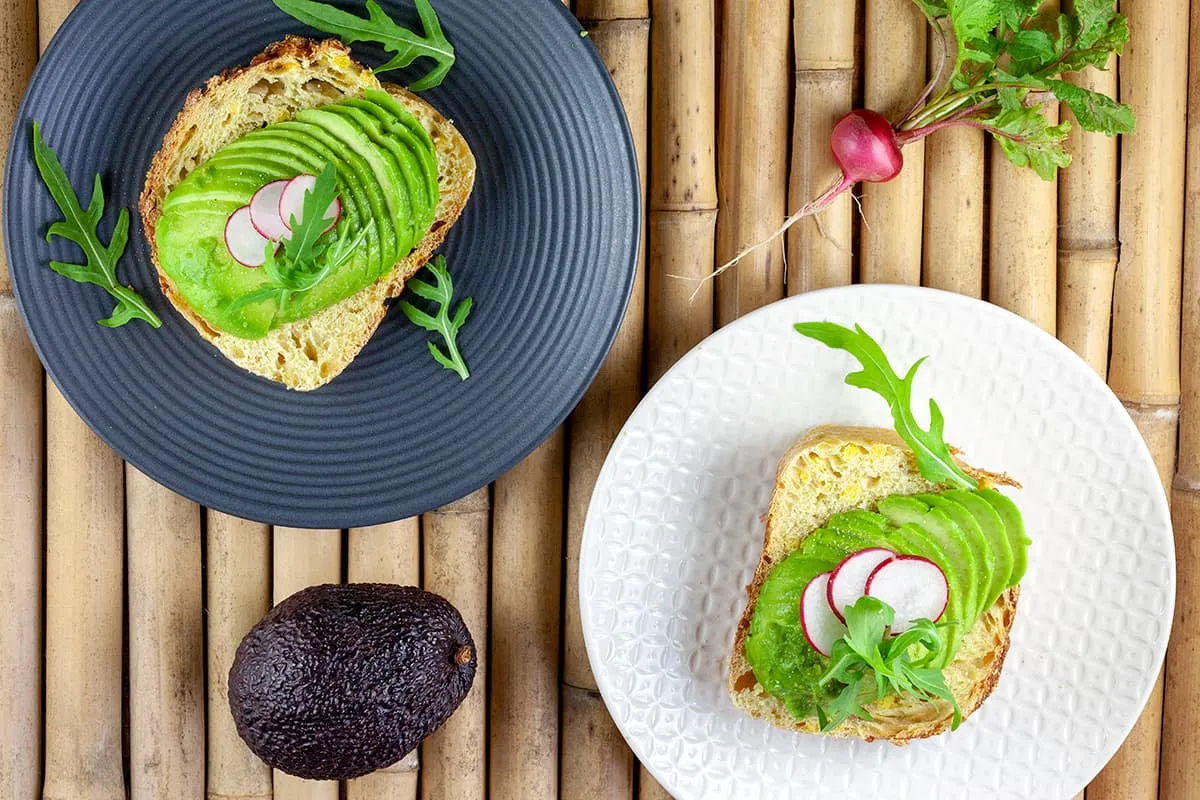
Portions matter as much as ingredients once appetite starts to shrink, which is common after seventy. Rather than eating less of everything, it works better to cut the low-value stuff first, sugary pastries, white toast with jam, anything that fills the stomach without doing much else, and keep the space for a smaller plate that is dense with protein and fiber. A few slices of avocado with a poached egg on one piece of whole grain toast will satisfy someone longer than two slices of buttered white bread, even though it looks like less food. For more ideas along these lines, this collection of breakfast recipes is a good place to browse, and most can be adapted with an extra egg or a swap to Greek yogurt to boost the protein.
Small swaps add up
None of this requires an overhaul. Swapping one or two mornings a week, toast and jam traded for eggs and salmon, cereal traded for overnight oats with walnuts, adds up faster than it seems. My grandmother eventually made that swap herself, mostly because her doctor nagged her into it, and she noticed the difference within a couple of weeks. Breakfast will not fix everything that comes with getting older, but it is one of the few daily habits that is entirely within reach to change.





There aren't any comments left behind yet you can be the very first to comment!