
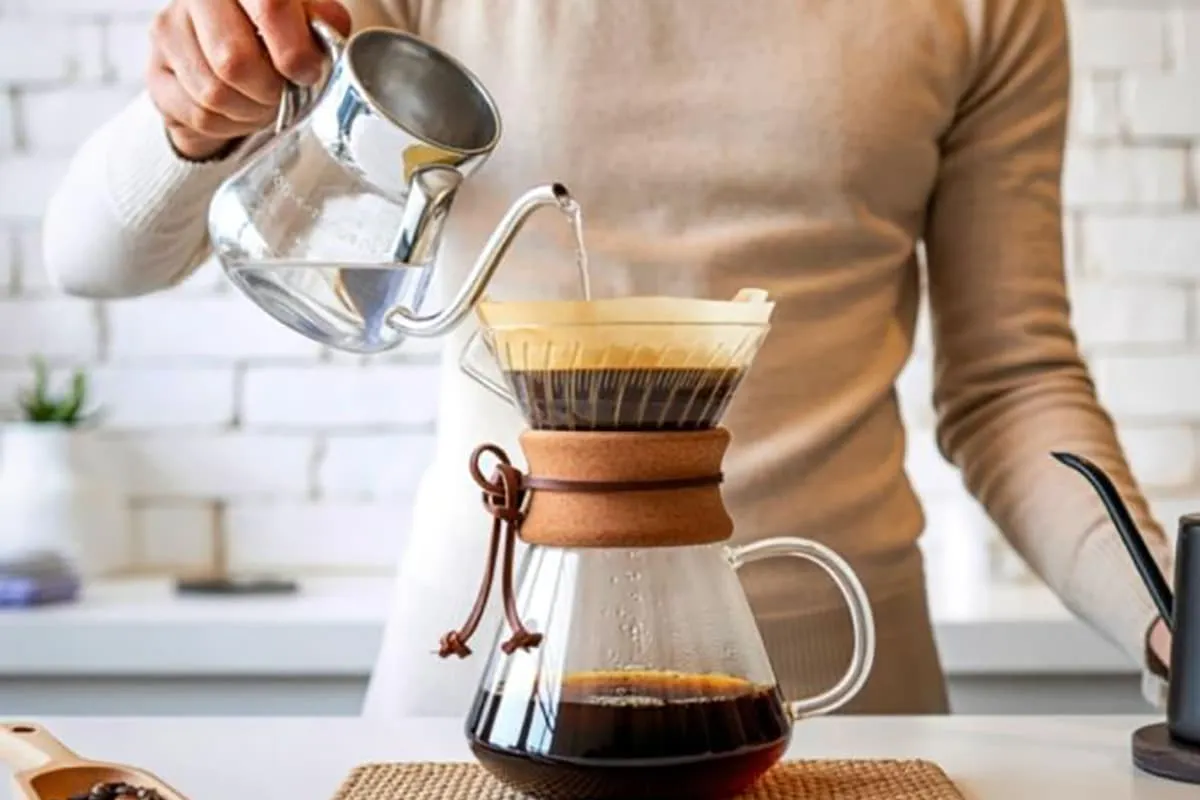

For many, the day doesn’t really begin until that first cup of coffee. And later in the afternoon, a warm cup of tea somehow makes everything feel calmer again. Most of us think about the beans, the tea leaves, or maybe the brewing method. But there’s one ingredient that rarely gets any attention, even though it fills almost the entire cup: Water.
It sounds simple, but the kind of water you use can completely change the taste of your coffee and tea. Once you start paying attention to it, you might notice that your daily brew suddenly tastes smoother, brighter, and more balanced.
Let’s talk about why that happens.
The One Ingredient We All Forget About
Coffee and tea lovers love experimenting with different beans, loose-leaf blends, grinders, kettles, and brewing gadgets. It’s part of the fun. But the truth is that water makes up almost all of what’s in your mug.
In a typical cup of coffee, water makes up around 98 percent of the drink. That means the quality of the water has a huge influence on the final flavor. Water isn’t just there to heat the coffee grounds or tea leaves. It actually pulls flavors out of them. During brewing, it extracts oils, acids, and aromatic compounds that create the taste and smell we love.
And here’s where things get interesting: the minerals in water help make that process work properly. If water has the right balance of natural minerals, it can bring out the sweetness in coffee and the delicate notes in tea. If the balance is off, the drink might taste flat, bitter, or oddly dull.
Natural Spring Water and That Perfect Balance
Natural spring water tends to have a nice, balanced mineral content. It hasn’t been stripped of minerals like distilled water, and it usually doesn’t have the heavy mineral load that some tap water can have.
This balance helps water do its job better during brewing. The minerals help draw out flavor compounds from coffee grounds and tea leaves without overpowering them. That’s why many coffee shops and tea houses pay so much attention to the type of water they use. Even small differences in water composition can change the final cup.
At home, one easy way to enjoy that same balance is to use good-quality spring water from Chiarella. Many people choose naturally sourced spring water in glass bottles, so they have great water on hand for coffee, tea, and cooking.
Tap Water Can Be Unpredictable
Now, tap water isn’t always bad. In some places, it works perfectly fine for coffee and tea. But it can vary a lot depending on where you live. Some tap water contains chlorine, which helps keep it safe to drink but can add a slight chemical taste. Other areas have very hard water, meaning they contain high levels of minerals.
Hard water can make coffee taste heavier or slightly bitter. It can also leave that chalky buildup inside kettles and coffee machines. On the other hand, very soft water can struggle to pull flavor from coffee grounds and tea leaves, which can lead to weak or flat-tasting drinks. This is one reason your favorite coffee beans might taste amazing in one place and just “okay” somewhere else.
Coffee Really Is All About the Water
Coffee has hundreds of tiny flavor compounds. During brewing, hot water pulls those compounds from the grounds and carries them into your cup. Certain minerals help with this process. Magnesium can enhance fruity and floral notes, while calcium contributes to body and richness.
That’s why baristas often aim for water with moderate mineral levels and a balanced pH. When the balance is right, coffee tends to taste sweeter and more layered. If you brew coffee at home, using natural spring water can help you get closer to that balance without having to think about complicated water chemistry. And honestly, that makes life easier.
Tea Loves Good Water Too
Tea might seem simpler than coffee, but water quality still makes a noticeable difference. When hot water meets tea leaves, it extracts natural compounds that give tea its aroma, flavor, and color. Minerals in the water influence how that extraction happens.
Some teas, especially delicate ones like green tea, can lose their bright flavor when brewed with very hard water. The minerals can overpower the subtle notes that make the tea special. Using balanced spring water often brings out smoother flavors and a clearer, brighter cup. Tea drinkers sometimes notice that the color even looks more vibrant.
Try This Little Kitchen Experiment
If you’re curious, here’s a simple way to see the difference yourself:
- One morning, brew two cups of coffee or tea using the exact same beans or leaves. The only thing you’ll change is the water.
- Use tap water in one kettle and natural spring water in the other.
When you taste them side by side, you might notice the spring water version tastes cleaner or smoother. Some people say the flavors feel more “open” or easier to notice.
Good Water Makes Cooking Better, Too
Once you start thinking about water this way, you realize it affects more than just coffee and tea. The water we use in the kitchen ends up in soups, broths, pasta, rice, and sauces. It’s part of many recipes, even when we don’t think about it.
Using clean, well-balanced water can gently improve the taste of everyday dishes. It doesn’t transform a recipe overnight, but it helps the natural flavors of ingredients shine a little more. For home cooks who enjoy creating cozy meals and comforting drinks, that’s a nice little bonus.
Final Thoughts
It’s funny how something as simple as water can have such a big effect on something we drink every single day. Many coffee and tea lovers spend years adjusting brewing methods, buying new equipment, and testing different beans or tea blends. Those things matter, of course.
But sometimes the real improvement comes from the most basic ingredient in the cup. Good natural spring water brings balance, clarity, and smoothness to coffee and tea. It lets the beans and leaves show their true character without interference from chlorine or excess minerals.




There aren't any comments left behind yet you can be the very first to comment!