
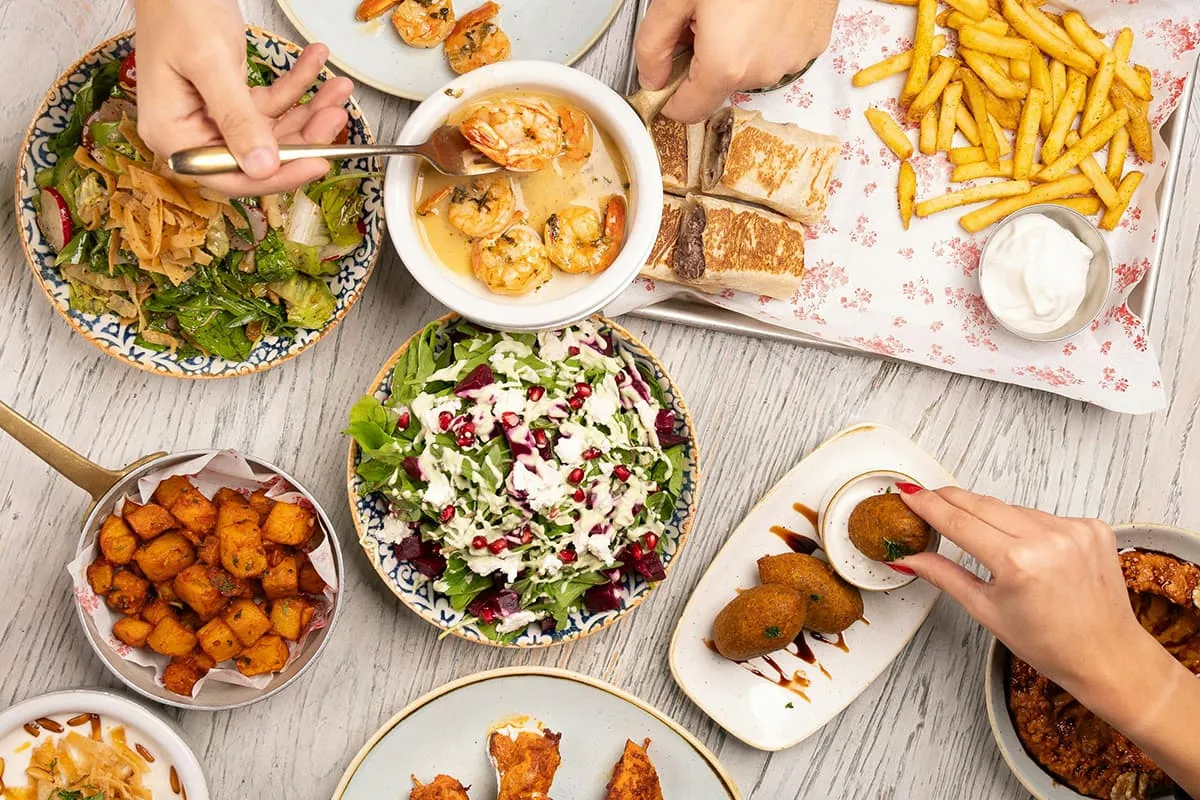

In recent years, the terms Pan-Asian and Asian fusion have become popular buzzwords in the culinary world, especially as Asian cuisine continues to gain global popularity. Both concepts offer exciting and flavorful ways to experience the diversity of Asian cooking.
However, despite some overlap, Pan-Asian and Asian fusion denote very different culinary approaches that reflect distinct philosophies about tradition, innovation, and authenticity. Understanding these differences helps diners appreciate the subtle yet meaningful distinctions between menus and how chefs approach Asian flavors in today’s global food scene.
What Pan-Asian Cuisine Means
Pan-Asian restaurant cuisine is a style of cooking and dining that aims to present the traditional dishes of multiple Asian countries or regions on a single menu. Rather than focusing on the food of just one country such as Japan, Thailand, or China, Pan-Asian restaurants offer a curated selection of classic dishes from East Asia, Southeast Asia, and South Asia. Each dish is typically prepared in a manner that respects its original culinary techniques, ingredients, and flavors.
For example, a Pan-Asian menu could include Japanese sushi, Vietnamese pho, Malaysian laksa, Thai green curry, and Indian biryani all in the same dining experience. While the dishes come from very different backgrounds, the Pan-Asian concept unites them under one roof, enabling diners to enjoy a multi-regional food journey without leaving their city. The dishes retain their distinct identities because culinary authenticity is a hallmark of this approach.
Pan-Asian cuisine reflects the history of Asian migration, globalization, and evolving consumer curiosity. As immigrant communities from diverse Asian nations established restaurants abroad, menu offerings often expanded beyond strict national boundaries to appeal to wider audiences. By the late 20th and early 21st centuries, as global travel and media exposure grew, diners themselves became more adventurous in wanting to sample a variety of Asian dishes. Restaurants responded by offering comprehensive menus showcasing a mosaic of Asian flavors.
What Asian Fusion Entails
Asian fusion cuisine takes a different path. It is an innovative culinary style that blends elements from different Asian cuisines, and often Western cuisine, to create new hybrid dishes that challenge tradition. Asian fusion chefs experiment freely with combining flavors, ingredients, and cooking techniques, resulting in playful and sometimes unexpected culinary inventions.
Where Pan-Asian cuisine tends to keep dishes relatively faithful to their origins, Asian fusion actively breaks the rules. Classic preparations might be altered by replacing typical proteins with others from different cultures, introducing spices or sauces from other cuisines, or using Western cooking tools and plating styles. Examples include Korean tacos, where Korean barbecue meats mingle with Mexican taco elements, or sushi burritos that transform the traditional bite-sized roll into a handheld wrap.
Asian fusion reflects the fast pace of globalization, exposure to multi-cultural influences, and a desire among chefs and diners for boundary-pushing tastes. It’s a cuisine of creativity and cultural cross-pollination, highlighting the blending of global food cultures especially in cosmopolitan urban centers.
Origins and Evolution
The evolution of Pan-Asian and Asian fusion cuisine share some common history but diverge in purpose and style. The roots of Pan-Asian cuisine lie in the immigrant experiences from the 19th century onward. Early immigrant eateries often served simplified or blended versions of their native foods but remained identified with specific countries or regions. Over time, as diverse Asian communities flourished side-by-side, restauranteurs began to integrate multiple traditional cuisines to cater to a growing and more curious customer base. This gave birth to the Pan-Asian dining concept—a consolidated menu representing Asia’s culinary diversity while maintaining traditional preparation methods.
Asian fusion cuisine emerged later as chefs started experimenting beyond preservation of authenticity, encouraged by access to global ingredients, fusion culinary education, and the booming interest among diners in novel tastes. The fusion movement, particularly from the 1980s onward, grew alongside the rise of global travel and media-driven food culture, facilitating the creative mixing of Asian and Western cuisines.
Dining Experience and Appeal
Pan-Asian cuisine offers a sophisticated and often educational dining experience. The focus is on showcasing the uniqueness and depth of each cuisine, whether the delicate balance of Japanese dashi-based soups, the fragrant complexity of Southeast Asian herbs and spices, or the boldness of South Asian curries. While the dishes appear together, they are distinct representative traditions inviting diners to explore Asia’s culinary landscape authentically in one meal.
Asian fusion appeals mainly to diners seeking new taste adventures and creative reinterpretations. Fusion restaurants pride themselves on imaginative menus and presentations where boundaries don’t constrain chefs. The result is often vibrant, playful, and designed to evoke surprise and delight as different culinary worlds collide on the plate.
Modern Context and Market Trends
In today’s restaurant scene, both Pan-Asian and Asian fusion concepts thrive side-by-side, addressing different consumer tastes. Pan-Asian cuisine’s appeal lies in its promise of authenticity, variety, and familiarity delivered in a multi-regional package. Many Pan-Asian eateries have evolved from casual dining or food court origins into stylish venues emphasizing quality ingredients, regional specialties, and culinary storytelling, appealing to diners interested in an immersive cultural journey.
Asian fusion continues to grow with a focus on innovation, trend-setting, and global food culture exchange. Fusion chefs experiment with ingredients, regional flavors, and presentation styles in ways that reflect contemporary food trends around health, sustainability, and bold flavor profiles. Fusion cuisine attracts adventurous foodies and younger demographics eager to try the latest fusion creations.
Both cuisines benefit from increased global connectedness, social media dissemination of food culture, and growing interest in healthy, fresh, vegetable-forward Asian dishes. The coexistence and popularity of both Pan-Asian and Asian fusion demonstrate Asia’s cuisine versatility and its dynamic ongoing influence on the global palate.
Summary
To summarize, Pan-Asian cuisine and Asian fusion are complementary yet distinct ways of celebrating Asian cooking. Pan-Asian cuisine honors tradition by bringing multiple distinct Asian national cuisines to a common table, preserving authenticity and cultural identity. Asian fusion exhibits culinary creativity and evolution by blending elements from different Asian and Western cuisines into new hybrid dishes that surprise and innovate. Both offer vibrant and diverse pathways for diners worldwide to experience the rich flavors and cuisines of Asia, reflecting Asia’s culinary heritage and its global evolution.
This balance of tradition and innovation ensures that Asian cuisine remains relevant, exciting, and continually evolving, satisfying both those who seek authenticity and those who desire novel culinary experiences.



There aren't any comments left behind yet you can be the very first to comment!