

Cooking great meals on weeknights doesn’t require a vast pantry or a professional stove. With a few deliberate habits, you can turn limited space into a reliable system that produces tasty, consistent dinners.
Along the way you’ll find little opportunities to make your kitchen feel more personal, from displaying a favorite mug to pairing colors with small accessories like a Samsung Galaxy 26 case.
This piece outlines simple, repeatable strategies you can use tonight and every week after. The goal is to reduce friction at each step of the meal process: deciding what to cook, preparing ingredients, cooking efficiently, and cleaning up so the kitchen is ready for the next meal.
Streamline Your Pantry for Versatility
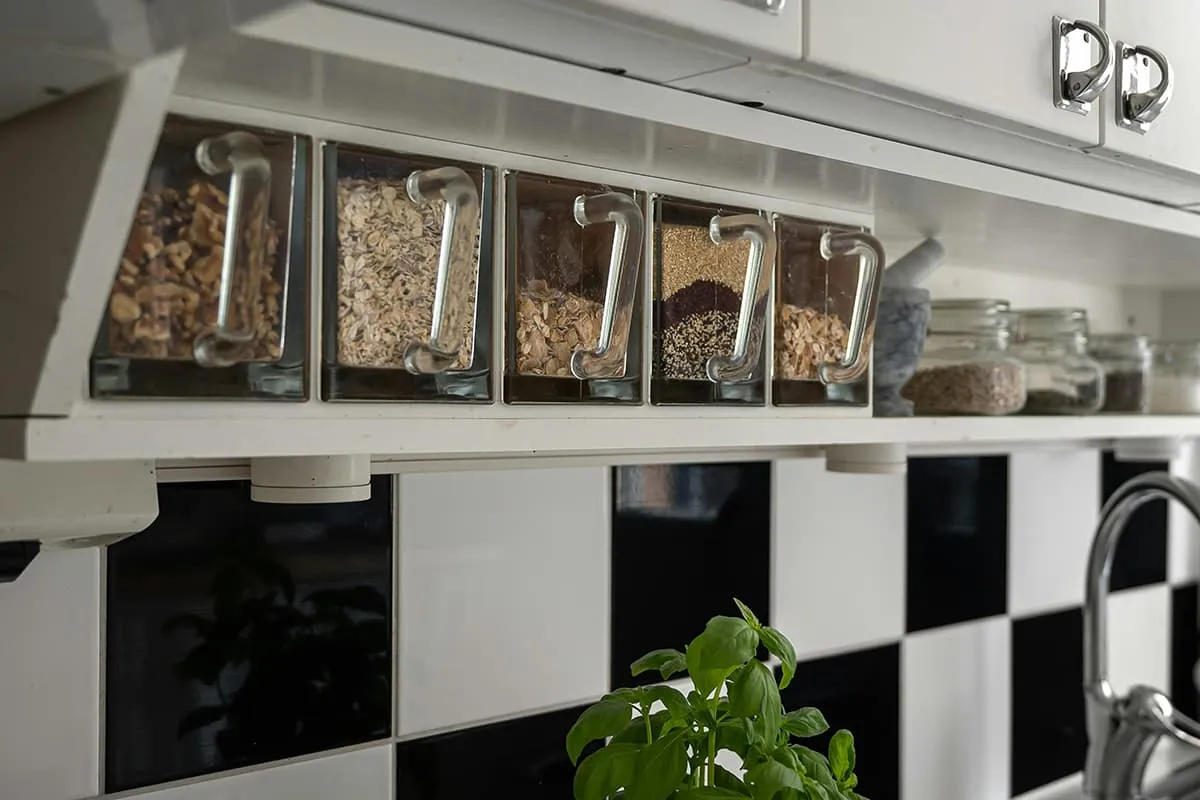
A useful pantry in a small kitchen is less about quantity and more about versatility. Keep a handful of long-shelf-life staples that combine well: dried pasta, rice, canned tomatoes, a couple of beans, and a neutral oil. Add small jars of aromatic staples such as soy sauce, vinegar, and a good paste or two like tomato paste or harissa. These items form the backbone of countless quick meals.
Organize so you can see what you have. Use clear containers or labeled baskets for frequently used items. Rotate ingredients forward as you restock so nothing gets forgotten. When you plan a quick meal, you should be able to look in the pantry and know at a glance which dinner options are possible.
Invest in A Few Multi-Use Tools
Counter space is at a premium in small kitchens, so choose tools that do more than one job. A good chef’s knife, a sturdy cutting board, a medium-sized sauté pan, and a heavy-bottomed pot can handle most cooking tasks. A box grater and a microplane serve for cheese, zest, and quick shredding; a fine-mesh sieve doubles for rinsing grains and draining canned foods.
Avoid single-purpose gadgets that clutter drawers. Instead, select compact tools that store upright or hang on a rail to free up surface area. Quality over quantity matters: one well-made pan that heats evenly will make weeknight cooking smoother than an overflowing collection of mediocre pots.
Master A Short Set Of Techniques
Rather than trying to learn many complicated recipes, focus on a few reliable techniques you can apply to many ingredients. Techniques to prioritize include roasting, sautéing, and quick braising. Learn how to build flavor with browning, deglazing a pan, and finishing with acid (lemon juice or vinegar) or fat (butter or olive oil).
Practice a handful of simple formulas: grain + vegetable + protein + sauce; roasted vegetables + grain + dressing; quick stir-fry with aromatics and a punchy sauce. Once you’ve internalized these patterns, improvisation becomes much easier, and you’ll get dinners on the table with less mental effort.
Use Simple Menu Templates And Theme Nights
Templates reduce the decision fatigue that kills weeknight cooking. Create a weekly framework such as “Monday: one-pan dinner,” “Wednesday: pasta night,” and “Friday: pizza or flatbread.” Theme nights narrow choices and help you plan shopping in advance. A library of go-to recipes that fit each category—like a sheet-pan chicken, a garlicky pasta, or a vegetable-packed stir-fry—lets you rotate variations without reinventing the wheel.
When you do meal prep, think in components you can recombine. Roast a tray of seasonal vegetables on Sunday, cook a pot of beans, and prepare a simple grain. During the week you can assemble different meals from these building blocks: a bowl with grain, beans, and roasted veg one night, and tacos with the same roasted veg another night.
Cleaning And Storage Strategies That Make Cooking Easier
A tidy kitchen is a usable kitchen. Adopt small cleaning habits that prevent a sink full of dishes at the end of the night. Rinse or soak pans while you eat, wipe counters immediately after use, and keep a trash or compost bag handy so you don’t leave peels and wrappers on the counter.
For storage, use stackable containers and uniform lids to save space. Label leftovers with the date and contents. If you have limited fridge room, use shallow containers that fit better and cool food more quickly. Freezing portions of sauces or cooked grains in single-serving sizes saves time and ensures you always have a base for a last-minute meal.
Conclusion
Small kitchens reward good habits more than big ones do. By streamlining your pantry, choosing multi-use tools, mastering a short set of techniques, using menu templates, and keeping cleaning simple, you make weeknight cooking less stressful and more enjoyable. Over time these habits add up: fewer decisions, less waste, and more meals you actually look forward to cooking.
There aren't any comments left behind yet you can be the very first to comment!