
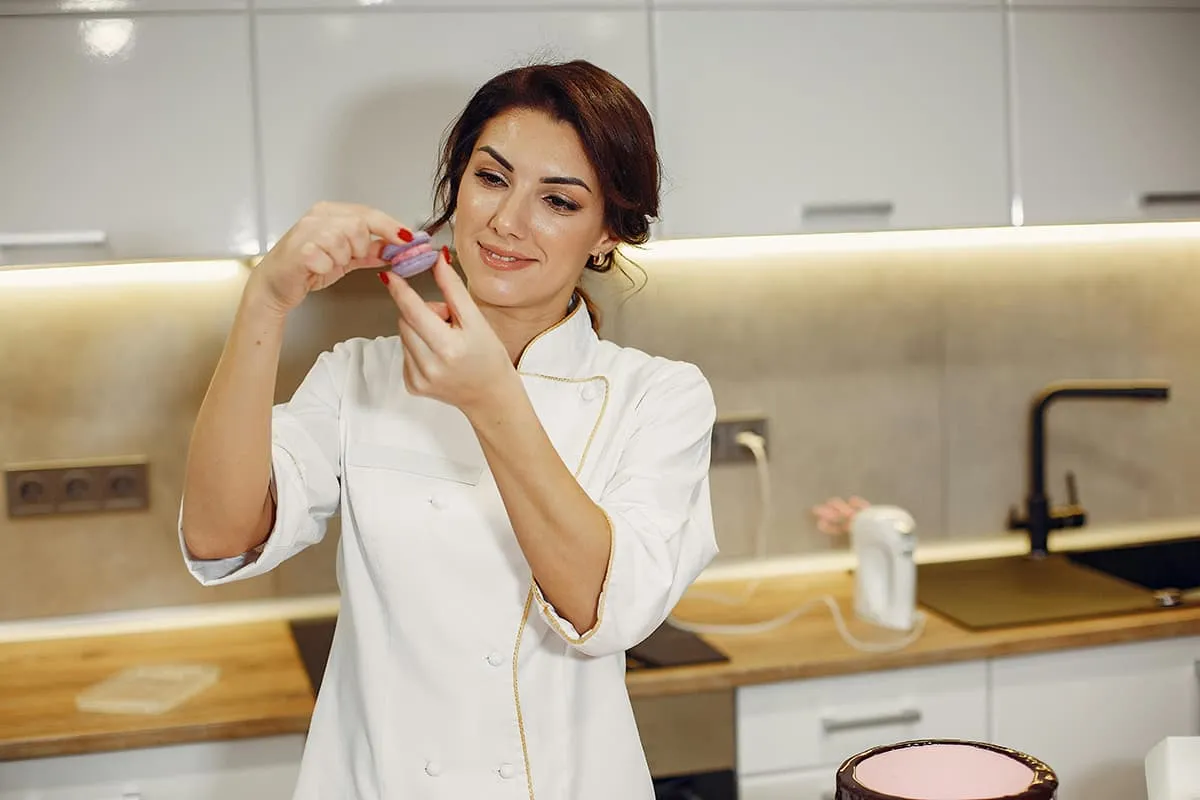

Walk into any professional kitchen and you'll immediately notice the crisp whites, the coordinated uniforms, and the unmistakable sense of professionalism that comes with proper chef attire. Far from being merely traditional, modern chef uniforms represent a sophisticated blend of safety, functionality, and style that directly impacts kitchen performance.
With the global chef uniform market valued at approximately £950 million in 2024 and projected to grow steadily through 2029, it's clear that restaurants, hotels, and culinary establishments recognise the vital role that quality workwear plays in their operations.
Why Professional Chef Attire Matters
The chef's uniform serves multiple critical functions beyond aesthetics. Each component has been refined over generations to address specific challenges faced in demanding kitchen environments.
Safety and Protection
Professional kitchens present numerous hazards—open flames, hot oils, scalding water, and sharp implements. Quality chef wear provides essential protection against these dangers. Double-breasted designs allow chefs to quickly reverse their jacket if one side becomes stained or soiled, maintaining a professional appearance throughout service. Thick, durable fabrics shield against minor burns and splashes, whilst long sleeves protect forearms from heat exposure.
Hygiene and Food Safety Standards
Food safety regulations mandate specific uniform requirements, including frequent laundering and appropriate fabric types. Professional attire helps prevent contamination and demonstrates commitment to hygiene standards that customers and inspectors expect. The traditional white colour makes stains immediately visible, encouraging regular changes and maintaining cleanliness standards.
Team Identity and Professionalism
Coordinated uniforms create visual cohesion and foster team unity. When staff members wear matching, well-maintained attire, it signals professionalism to customers and builds confidence amongst team members. This unified appearance reinforces the establishment's brand identity whilst creating an environment where everyone feels part of something larger than themselves.
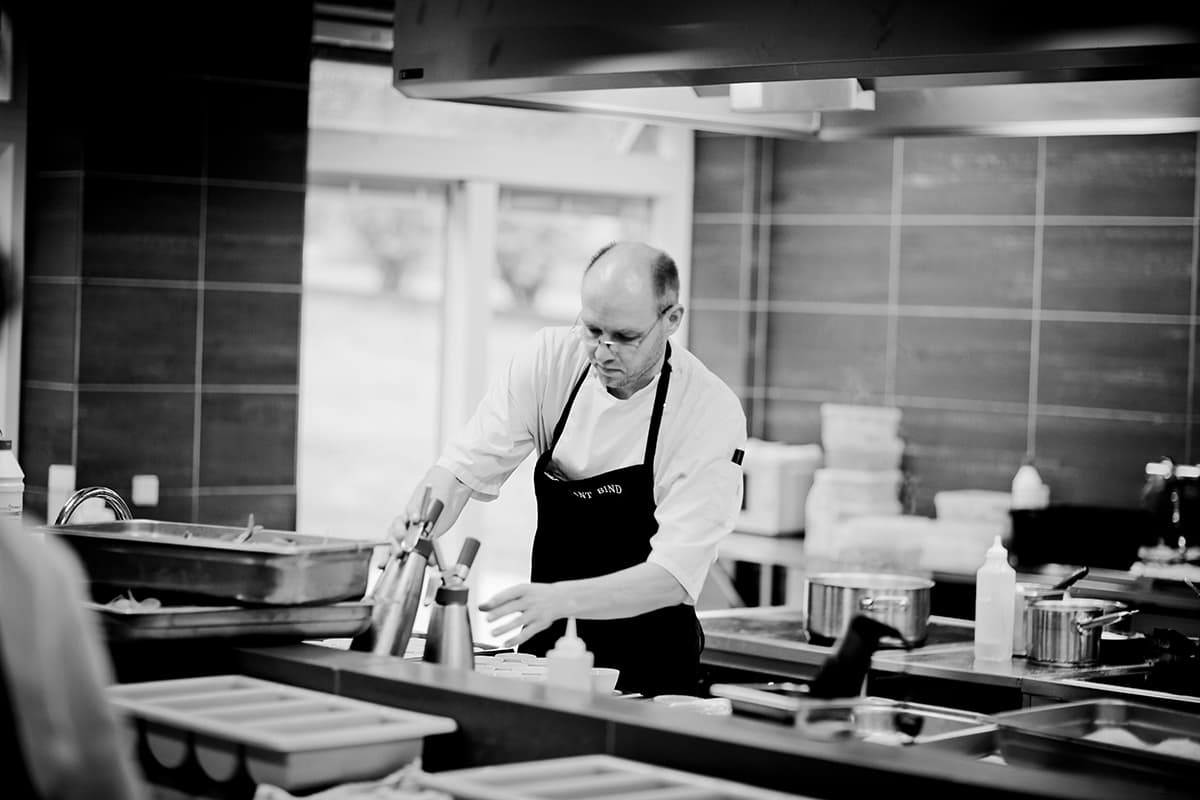
Key Components of Modern Chef Attire
Chef Jackets: The Cornerstone of Professional Dress
The chef jacket remains the most recognisable element of culinary attire. Modern chef jackets have evolved significantly from traditional designs, incorporating performance fabrics and ergonomic features that address contemporary kitchen demands.
Today's jackets typically feature 65/35 polyester-cotton blends that provide optimal durability and stain resistance whilst remaining breathable. Technical specifications for professional-grade jackets include minimum fabric weights of 180 GSM, double-stitched seams, and reinforced stress points at armpits and elbows. These improvements ensure the garment withstands the rigours of daily kitchen service.
Antimicrobial coatings now feature in approximately 40% of premium uniforms, reducing bacterial growth and odours between washes. Moisture-wicking technology helps chefs stay comfortable during long, physically demanding shifts, whilst wrinkle-resistant properties maintain a polished appearance even during the busiest services.
Chef Trousers: Comfort Meets Durability
Professional chef trousers must withstand constant movement, frequent laundering, and the occasional spill. Modern designs prioritise comfort with elasticated waistbands or drawstring closures that accommodate various body types and provide flexibility during long shifts.
Lightweight, breathable fabrics keep chefs cool in hot kitchen environments, whilst patterns—traditionally checks or stripes—help disguise minor stains during service. Many establishments now offer customisation options, allowing chefs to select patterns and colours that align with their brand identity.
Essential Accessories
The traditional toque (chef's hat) serves practical purposes beyond aesthetics, containing hair and absorbing perspiration. Modern alternatives include skull caps and bandanas that provide similar functionality with contemporary styling.
Aprons offer an additional layer of protection, particularly for roles involving heavy preparation work or dishwashing. Neck scarves, traditionally worn to absorb sweat, have become fashionable accessories whilst maintaining their practical purpose.
Current Trends Shaping Chef Uniform Design
Sustainability and Eco-Friendly Materials
Environmental consciousness has reached professional kitchens, with significant numbers of hospitality managers prioritising eco-friendly uniforms. Manufacturers increasingly offer garments made from recycled polyester, organic cotton, and ethically sourced materials. This shift responds to both consumer expectations and genuine commitment to reducing environmental impact.
Customisation and Personalisation
The demand for tailored uniforms that reflect individual brand identity has surged, with approximately 78% of manufacturers now offering logo embroidery and design personalisation as standard. Restaurants use custom embellishments—embroidered logos, unique button selections, and personalised patches—to strengthen brand recognition and create distinctive appearances.
Performance-Focused Innovation
Technical advances continue transforming chef wear. Flame-retardant finishes meeting ISO 11612 standards provide enhanced safety in high-risk environments. Ventilation systems incorporating mesh panelling help chefs working in tropical climates or particularly hot kitchens maintain comfortable body temperatures. These innovations demonstrate how traditional garments adapt to meet evolving professional demands.
Contemporary Styling
Whilst respecting tradition, modern chef uniforms embrace contemporary aesthetics. Tailored fits and fitted designs offer professional appearances without compromising mobility or comfort. Coloured jackets—once controversial—now commonly feature in casual dining establishments, allowing kitchens to express personality whilst maintaining professionalism.
Selecting the Right Uniform for Your Team
Consider Your Kitchen Environment
Different establishments require different uniform specifications. Fine dining restaurants typically demand more formal, traditional styling—pristine white double-breasted jackets with conservative trousers. Casual dining venues enjoy greater flexibility, potentially incorporating coloured jackets or modern styling that reflects their relaxed atmosphere.
Kitchen temperature also influences fabric selection. Lightweight, moisture-wicking materials suit hot environments, whilst heavier weaves provide warmth in cooler spaces or during winter months.
Quality Versus Cost
Professional chef uniforms represent investments in staff comfort, safety, and presentation. Prices ranging from £6-10 per piece typically represent the quality sweet spot—low enough for reasonable bulk purchases yet high enough to ensure proper fabric density and construction. Items below £5 often compromise durability, requiring more frequent replacement and ultimately costing more over time.
Premium uniforms exceeding £15 per piece generally include compliance certifications, advanced technical features, or luxury fabrics that may be unnecessary for many establishments. Evaluate whether these additional features genuinely benefit your specific operation before investing in top-tier options.
Frequently Asked Questions
How often should chef uniforms be replaced?
Quality chef jackets typically last 12-18 months with proper care, though this varies based on usage intensity and laundering frequency. Replace garments when fabric shows significant thinning, seams weaken, or stains become permanent despite proper cleaning. Maintaining rotation of 3-4 uniforms per staff member extends garment lifespan by reducing wear on individual pieces.
What's the best way to care for chef uniforms?
Launder uniforms after each shift using quality detergents and hot water (60°C minimum) to ensure proper sanitisation. Avoid bleach on coloured items as it weakens fibres and causes fading. Remove stains promptly—the longer they set, the harder they become to eliminate. Tumble dry on medium heat or line dry to prevent excessive shrinkage. Iron whilst slightly damp for best results.
Are customised uniforms worth the investment?
Customisation through embroidered logos or personalised details typically adds £0.50-3 per piece depending on complexity. This modest investment significantly enhances brand recognition, creates professional polish, and builds team pride. For customer-facing roles or establishments prioritising brand identity, customisation provides excellent return on investment through enhanced perceived value.
Can chef uniforms be stylish whilst remaining functional?
Absolutely. Modern manufacturers successfully balance aesthetics with practicality, offering tailored silhouettes, contemporary colour palettes, and fashionable details without sacrificing essential features like protection, durability, and ease of movement. The key is selecting designs that reflect your establishment's personality whilst meeting fundamental safety and hygiene requirements.
What fabric performs best in professional kitchens?
Polyester-cotton blends (typically 65/35 ratio) outperform pure cotton in moisture management, durability, and wrinkle resistance. These blends combine cotton's breathability and comfort with polyester's strength and easy-care properties. For exceptionally hot kitchens, consider moisture-wicking finishes that actively move perspiration away from skin, maintaining comfort during demanding shifts.
Conclusion
Professional chef attire in 2025 represents far more than traditional dress codes—it's a sophisticated system designed to protect culinary professionals, maintain hygiene standards, and project polished brand images. As the industry continues evolving, modern uniforms incorporate performance fabrics, sustainable materials, and contemporary styling whilst preserving the safety features and functional benefits that have made them essential for generations.
Whether outfitting a single chef or an entire kitchen brigade, investing in quality uniforms demonstrates commitment to your team's comfort and your establishment's professional standards. By selecting appropriate fabrics, embracing thoughtful customisation, and maintaining garments properly, you create an environment where your culinary staff can focus on what they do best—creating exceptional dining experiences. The right uniform doesn't just dress your team; it empowers them to perform at their highest level every single service.
There aren't any comments left behind yet you can be the very first to comment!