
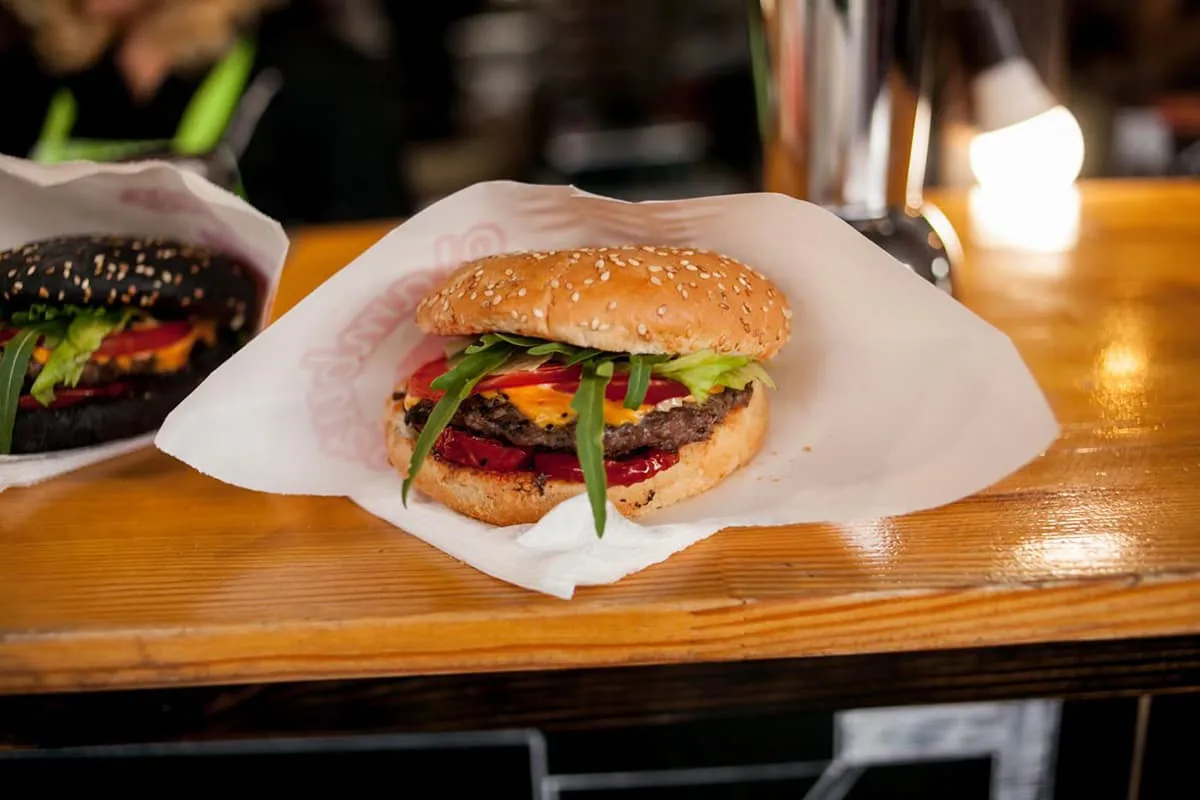

Most people reach for baking paper or food wrapping without thinking much about it. A sheet lines a baking tray before cookies go into the oven, greaseproof paper wraps a sandwich for later, and a paper bag carries fresh bread home from the bakery. These everyday items may seem simple, but they are actually the result of carefully designed materials and production processes.
Paper used around food must handle several challenges. It may be exposed to high oven temperatures, grease from cooked foods, or moisture from fresh ingredients. At the same time, it needs to release food easily, maintain its structure, and meet strict food-contact safety requirements. Behind these familiar kitchen materials lies a complex chain of raw material sourcing, fiber processing, coatings, printing techniques, and quality control systems that help ensure the paper works reliably during cooking and food handling.
In recent years, food paper products have also become more specialized. Instead of one universal type of kitchen paper, manufacturers now produce different grades designed for particular tasks. Baking paper is engineered for oven use and non-stick performance. Greaseproof paper is designed to wrap fatty foods such as burgers or cheese. Sulfite paper is often used for delicate dry foods like pastries. Each material differs in how its fibers are refined and finished so that it performs well in its intended use.
Grease Resistance Without PFAS
One important change in food paper manufacturing has been the gradual phase-out of per- and polyfluoroalkyl substances, commonly known as PFAS. These chemicals were historically used to create grease-resistant barriers, but environmental concerns have encouraged the development of alternative methods.
Today, grease resistance can often be achieved through physical changes in the paper structure. Mechanical refining and compaction create a dense fiber network that slows the penetration of oils and fats. Mineral-based barrier layers can also improve grease resistance without using fluorinated compounds.
Baking paper provides a practical example of mineral layer integration. Many baking papers are designed to tolerate temperatures of around 446 °F (230 °C) while maintaining non-stick performance. They typically feature silicone coatings on both sides, made from mineral-derived materials such as quartz and sand. The coating helps baked goods release easily from the surface and allows the paper to remain effective over several baking cycles.
Another type of grease-resistant paper relies purely on fiber structure. In parchment-style paper, cellulose fibers are compressed tightly together so grease cannot easily penetrate the sheet. These papers are often used for wrapping foods such as cheese, meat, or fried items.
Printing Paper Used Around Food
Many types of food paper are printed. Sandwich wraps, bakery bags, and takeaway packaging often display logos, product names, or ingredient information. As commonplace as it may seem, printing on flexible papers that contact food requires some special considerations.
Several printing technologies can be used for this purpose, including digital printing, offset printing, and flexographic printing. Flexographic printing is particularly common because it works well on different types of paper surfaces. The process uses flexible printing plates and adjustable pressure, allowing it to print on both smooth and textured papers.
Flexographic printing usually relies on water-based inks designed for food-contact materials, such as those compliant with the Swiss Ordinance governing packaging safety. These inks help reduce chemical migration into food while still producing clear printed graphics.
Modern printing facilities improve efficiency and reduce waste by using computer-assisted systems to control ink mixing and maintain color consistency. In some facilities, leftover ink pigments are even reused as black pigment in kraft paper production.
How Companies Like Carccu® Fit In
Behind the baking paper and greaseproof sheets used in everyday cooking are companies that specialize in converting and printing paper packaging materials. One example is Carccu®, a Finnish manufacturer of paper-based products used for food preparation and takeaway packaging. The company's product range includes baking papers designed for oven use, greaseproof wrapping papers used for foods such as sandwiches, burgers, and cheese, and as well as paper bags commonly used for bakery goods and takeaway food packaging. These types of products are familiar in both home kitchens and food retail settings.
What distinguishes companies in this field is often not only the products themselves but the production practices behind them. Carccu operates within the certification and management frameworks already mentioned—such as FSC® Chain of Custody and PEFC Chain of Custody systems for fiber sourcing and the ISO 14001 system for environmental management. Additionally, Carccu prints using water-based inks suitable for food-contact materials.
Carccu's use of flexographic printing allows graphics to be applied to greaseproof paper and bags while keeping packaging structures entirely paper based. This approach supports recycling efforts because the materials used remain within a single fiber stream rather than combining paper with plastic layers.
For home cooks, these technical details may remain largely invisible. Yet they help explain why the baking paper used to line a cake tin performs consistently, why greaseproof paper can wrap food without becoming soggy, and why a simple paper bag helps keep fresh bread crisp.
There aren't any comments left behind yet you can be the very first to comment!