
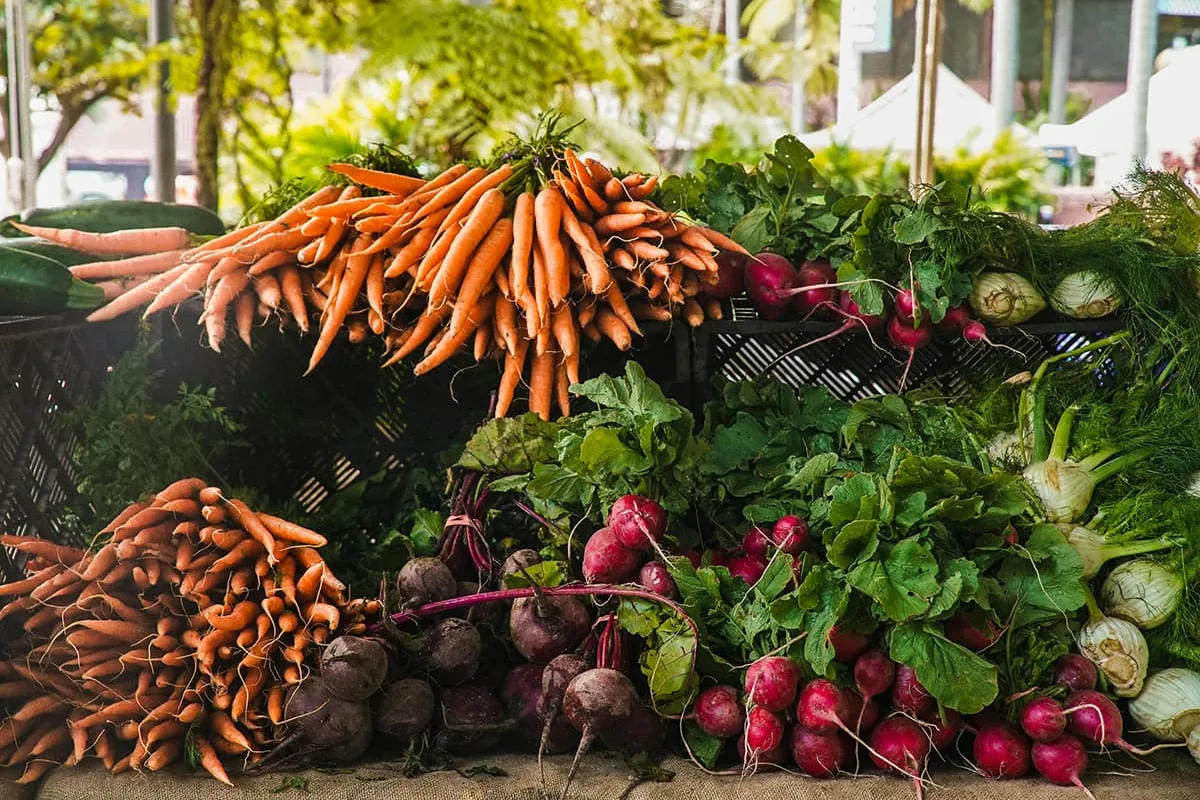

The Illusion of Safety in a Simpler Life: There’s something deeply reassuring about the idea of simple living. Tending to a garden, raising chickens, and watching children play freely paint a picture of peace and safety that many families strive to create. Life outside the city feels cleaner, more wholesome, and often safer by comparison.
For families who embrace rural or homesteading lifestyles, wellness becomes part of everyday life. It shows up in home-cooked meals, fresh air, physical activity, and a slower pace. While this lifestyle brings many benefits, it can also lead to a false sense of security.
Rural life, despite its simplicity, carries risks. These aren't dramatic or urban in nature. They tend to be quiet, mechanical, and often overlooked, especially when they blend into daily routines. That’s what makes them so dangerous.
One of the most serious hazards in this lifestyle is embedded in the equipment many families rely on for farming, food production, or property maintenance.
The Hidden Danger Most Families Never See Coming
The tools that support rural living are often handed down through generations. Grain augers are one of them—used to move grain efficiently on both large and small farms, including those run by families pursuing self-sufficiency. Their familiarity can lead to underestimating their risks.
Grain augers contain a rotating screw-like blade inside a metal tube. When operating, even a small oversight—a loose sleeve, a moment of distraction, or skipping a safety check—can result in severe injury. Hands, feet, limbs, or hair can be pulled quickly. These injuries are often permanent.
Children are especially at risk. Curious and unaware of the danger, they may approach while the machine is running. On family farms, this risk increases when kids are nearby during chores.
Adults face risks too. Many injuries involve experienced users who have become too comfortable around the equipment. It’s not about carelessness; it’s about how easily routine can breed complacency.
Across North America, injuries related to grain auger accident hazards happen every year. Some stem from poor maintenance or missing safety guards. Others result from fatigue, rushing, or distractions. In certain cases, faulty manufacturing or inadequate warning labels are to blame.
Beyond physical harm, these machines also bring legal and financial challenges that families are often unprepared to handle. The impact can reach far beyond the injury itself.
When Accidents Happen: What You Need to Know About Rights and Responsibility
A serious injury involving farm equipment can alter a family’s life. Beyond medical emergencies, there are lasting effects: long recovery periods, financial strain, emotional stress, and time away from work. Injuries involving grain augers can be especially complex.
Legal responsibility often plays a role in these cases. Sometimes the injury is not the result of a user mistake but rather a fault in the machine’s design or missing safety features. In other cases, an employer or property owner may be responsible for failing to maintain equipment or provide proper training.
Those injured—or parents of injured children—may have legal rights that can help cover medical expenses and future care. These cases require detailed documentation and an understanding of how liability works in agricultural settings. This becomes even more important when equipment is shared, borrowed, or inherited.
Although regulations exist to protect equipment users, enforcement can vary. Many small farms are not inspected regularly. That’s why families should take time to learn about safe practices and legal protections. Trusted resources on machine-related injury prevention can help identify risk areas and support safer habits.
Legal issues can surface quickly after an accident. Insurance companies may become involved immediately. Questions may arise about the cause, who was responsible, and whether safety standards were followed. Dealing with this while recovering physically or emotionally can be overwhelming.
Having basic legal awareness is an important part of protecting your family and your future.
Rethinking Clean Living: Prevention as a Wellness Practice
Clean living usually centers around real food, daily movement, and time in nature. For rural families, wellness is part of everyday routines. But true health isn’t limited to nutrition and exercise. It also includes the spaces we live in and the equipment we use.
Grain augers, while essential, don’t often come up in wellness conversations. Safety seems mechanical, not personal. Yet injury prevention, especially around children, belongs alongside topics like healthy eating or sleep hygiene.
Awareness supports better decision-making. This applies to meal choices as much as it does to farm safety. A family that values health can extend that same care to how they use tools, manage routines, and educate children about their environment.
Using safety practices around grain augers isn’t about fear—it’s about protecting what matters. When families acknowledge that rural life has hidden risks, they can build habits that prevent harm and strengthen their commitment to overall wellness.
Simple Steps to Protect What Matters Most
Prevention can be straightforward. Families who value intentional living often excel at creating thoughtful routines. These routines can also support safety around equipment.
Start by setting clear rules. Define areas where only adults can access machinery. Teach children about these boundaries. Even inactive machines can be dangerous if left accessible. Store grain augers unplugged, disconnected, and in locked spaces when not in use.
If the equipment is shared or older, inspect it regularly. Look for wear, exposed parts, or missing guards. Don’t assume something is safe because it worked yesterday. Wear fitted clothing, tie back long hair, and use safety gear when operating machinery.
Supervise closely. Children learn by observing, so even brief tasks can become risky if a child tries to imitate them. Establish routines that prioritize checking for safety before using any equipment.
Consistency matters. Families who already embrace clean eating and daily habits can extend those principles to household safety. Prevention doesn’t need to be complicated; it just needs to be intentional.
If you're building a more holistic lifestyle, it helps to review your environment and routines regularly. A great place to start is with supportive family wellness practices that include both health and safety.
A Simpler Life, Not a Riskier One
Living simply doesn’t mean ignoring real-world risks. Homesteading, farming, or choosing a slower lifestyle can bring immense benefits, but they also involve tools and routines that require careful attention.
Recognizing hazards like grain augers doesn’t take away from the beauty of this lifestyle. It strengthens it. Safety supports freedom, protects health, and ensures that your choices remain sustainable in the long term.
With awareness and a few intentional shifts, families can continue enjoying the rewards of simple living while staying safe, informed, and resilient.





There aren't any comments left behind yet you can be the very first to comment!