
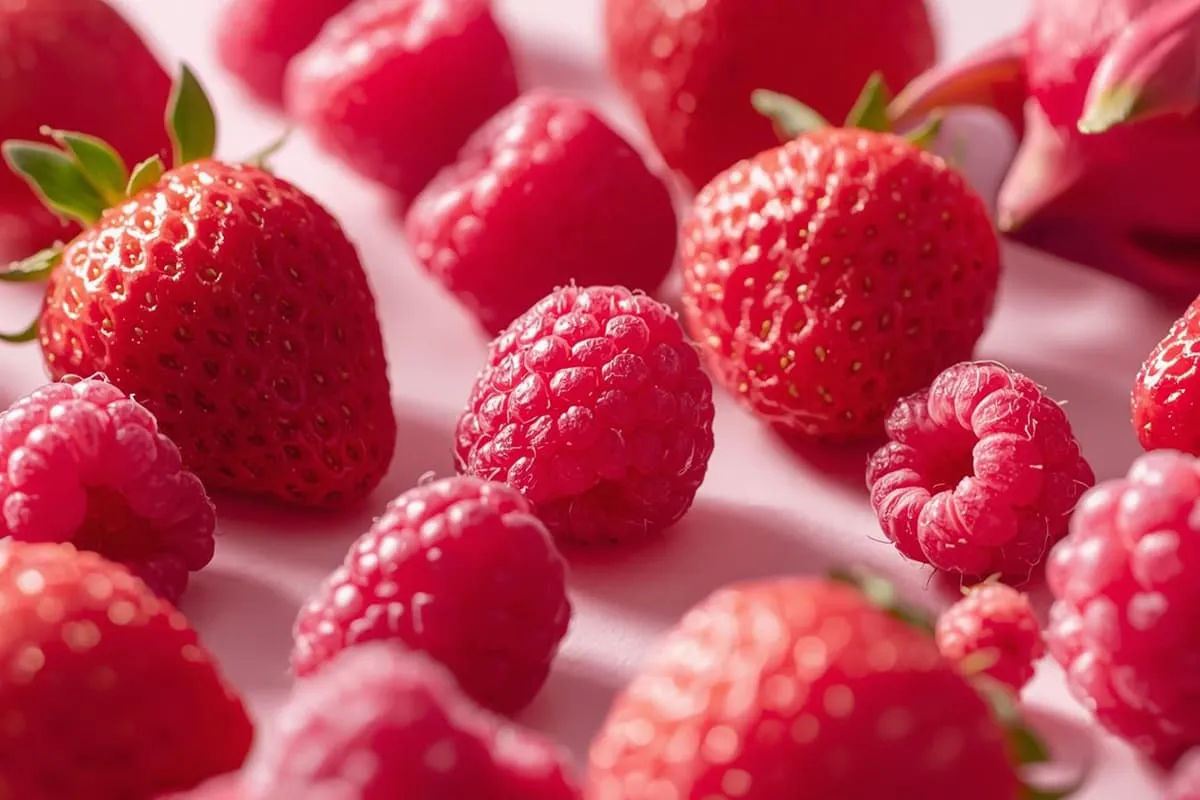

Pink is having a real moment in modern food culture — a color often associated with sweetness, softness, and charm. From pastel smoothie bowls to rose-tinted cocktails and raspberry-glazed pastries, this joyful shade has taken over menus, social feeds, and food festivals worldwide. The pink wave shows no sign of slowing down.
Fueled by social media, where visual appeal drives engagement, this hue continues to shine. The prettier the plate, the more likely it is to be shared — and pink, more than any other color, is effortlessly photogenic from every angle. Whether it’s the soft blush of a delicate mousse or the vibrant pink of a dragon fruit tart, the color captures attention, sparks curiosity, and invites indulgence.
Why We’re Drawn to Pink Foods
Unlike bolder tones that signal intensity or health, pink food color conveys warmth, playfulness, and a touch of modern femininity. It strikes a perfect balance between sophistication and fun — equally fitting in a high-end dessert café or a lively street food pop-up. Its versatility makes it a favorite among chefs and home cooks alike.
Color psychology tells us that pink evokes feelings of happiness and comfort. It suggests sweetness, freshness, and creativity — qualities that translate beautifully to food. That’s why pink has become the go-to shade for everything from wellness smoothies to fine dining desserts. The color doesn’t just please the eye; it evokes a sense of delight before a single bite is taken.
Brands and chefs are also realizing that pink tones instantly communicate flavor expectations: fruity, floral, or lightly indulgent. Whether it’s strawberry, dragon fruit, or beetroot, the color cues flavor and fun with every food or drink. It works on multiple levels — as an aesthetic choice, a marketing tool, and a subtle signal to the palate. Pink has the power to make food feel playful without sacrificing elegance, and that duality is part of its broad appeal.
The Natural Side of Pink
For a long time, pink in food came from artificial dyes, especially in candies and beverages. But the clean-label movement has pushed for change. Today’s natural pink food color is derived from real fruits and vegetables — think beetroot, radish, berries, and sweet potato. These plant-based sources not only create soft pastel or vivid pink shades but also carry added nutritional benefits. They’re rich in antioxidants and phytonutrients, which makes “pink” both pretty and purposeful.
The shift toward natural color isn’t just about consumer preference; it reflects broader trends in health, sustainability, and transparency. People want to enjoy their favorite visually striking foods without compromising on quality or wellness. In this context, pink becomes more than a visual delight — it’s a conscious choice.
Where Pink Is Popping Up
Pink has always been there, but pink foods and drinks nowadays have gone far beyond Valentine’s Day themes. Due to some of the latest releases in the film industry, pink has really popped! You’ll now find pink everywhere:
· Coffee & Lattes: Beetroot and pink pitaya powders are turning traditional coffee drinks into Instagram-famous creations. Baristas are experimenting with frothy pink lattes, layered drinks, and even pink matcha blends.
· Cocktails: Bartenders are blending hibiscus and raspberry infusions for blush-toned beverages. Signature cocktails in chic bars are now measured as much by color as by flavor, with pink taking center stage.
· Desserts: Ice creams, macarons, and mochi now glow in natural shades of pink. Pastry chefs are pairing pink with gold, white, and chocolate accents, elevating it from playful to luxe.
Pink is everything, and everything is pink. Pink is the new color of creativity — soft yet expressive, nostalgic yet forward-thinking. Its popularity spans demographics, making it a versatile choice for both fun, casual treats and high-end culinary artistry.
The Future Is Pink (and Natural)
The evolution of pink food color mirrors a larger cultural shift in the food and beverage industry, one that values authenticity, emotion, and design equally. As natural color technology advances, expect pink to expand beyond sweets and drinks into savory and functional food categories. Pink pasta, pink hummus, and even pink-infused sauces are starting to emerge, proving that this color isn’t limited to desserts or beverages. It is a color that delights the eyes, inspires creativity, and connects with the emotions — a true testament to the playful power of color in our food culture.
There aren't any comments left behind yet you can be the very first to comment!