
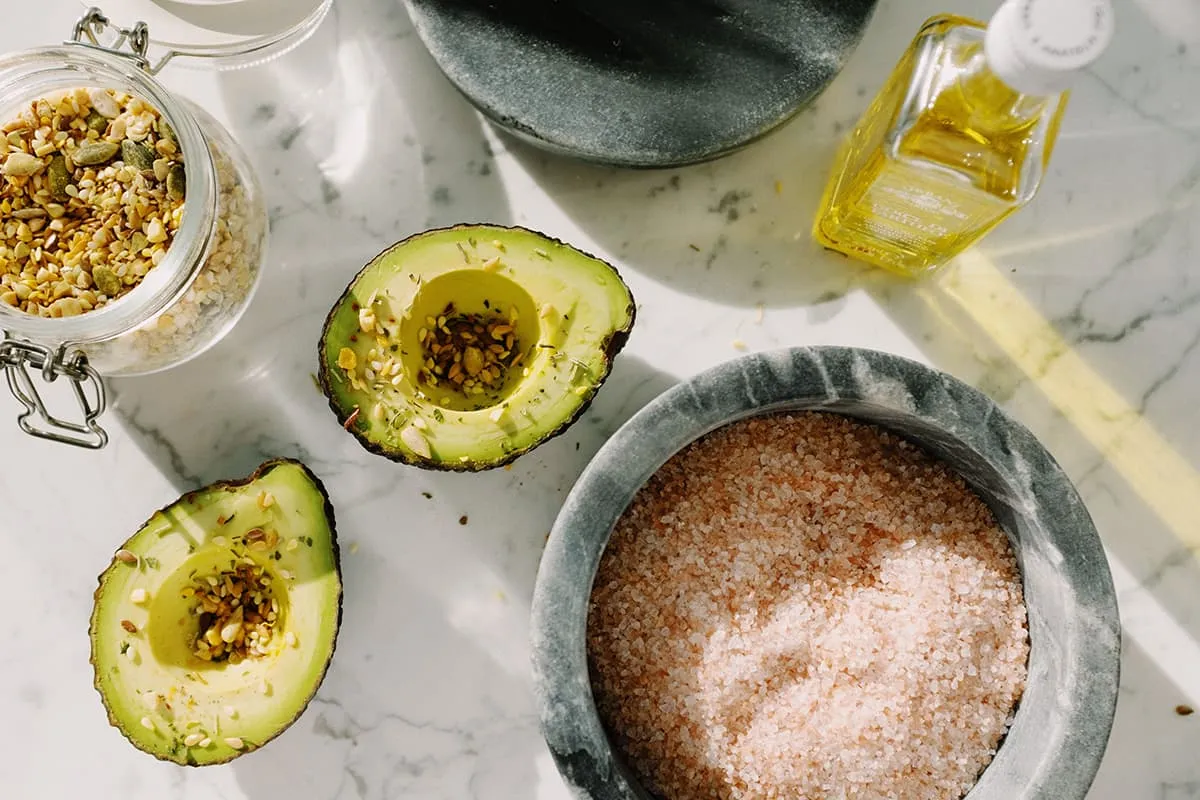

Good cooking often comes down to balance. You can start with quality ingredients and follow a recipe closely, but the final dish may still seem like it needs something. Understanding how fat, salt, acid, and heat work together can help you figure out what that something is.
Each element has a different job. Once you understand those roles, it becomes easier to adjust a recipe as you cook instead of simply hoping for the best.
Fat Builds Flavor and Texture
Fat does more than make food rich. It carries flavor and contributes to texture, whether you are sautéing vegetables in olive oil, finishing a sauce with butter, or using cream to soften stronger flavors.
Different fats also bring their own character to a dish. Butter adds richness, while olive oil can contribute fruity or peppery notes. Too little fat can leave food dry, while too much can make a dish feel heavy.
Salt Brings Other Flavors Forward
Salt has an important role in making food taste more like itself. Used well, it can bring sweetness forward and temper bitterness.
Timing matters, too. Seasoning throughout the cooking process gives salt time to interact with the ingredients and build flavor gradually.

Acid Adds Brightness and Contrast
If a rich dish tastes flat or heavy, it may not need more salt. It might need acid.
A squeeze of lemon, splash of vinegar, spoonful of yogurt, or a few tomatoes can provide contrast and make other flavors seem brighter. Acid is especially useful with fatty foods because it can cut through some of that richness.
This same principle of balance extends beyond the plate. Acidity, sweetness, and bitterness also influence how we experience beverages, from wine and coffee to cocktails.
Heat Creates New Flavors
Heat changes both flavor and texture. One of the best examples is the Maillard reaction, a series of chemical reactions that occurs when proteins and sugars react under heat. It helps produce the deep flavors and browning we associate with seared steak or roasted vegetables.
Crowding can affect cooking as well. A crowded pan can prevent moisture from escaping quickly, which encourages food to steam rather than brown. Giving ingredients enough space and allowing the pan to reach the proper temperature can produce better color and deeper flavor.
Bringing the Four Elements Together
You do not need a formula to use these ideas at home. As you taste, consider what would bring the dish into better balance. A dull sauce might need a little salt, while acid can brighten a rich pasta. More browning can deepen the flavor of vegetables, and a little fat can make lean ingredients more satisfying.
Learning how these elements interact gives you more freedom in the kitchen. Instead of relying entirely on a recipe, you can taste and adjust. It’s all about understanding what works and why. That is where everyday cooking becomes more intuitive, and often more delicious.
Author bios: Matthew and Renee Jennings are the Owners of Core 450, a hospitality and dining destination. With more than 25 years of experience in the hospitality industry, they have built a strong foundation as restaurateurs, operating businesses along the shores of Ohio. For the past 10 years, the Jennings have owned and managed Cherokee Valley Course and Club, bringing extensive expertise in hospitality, operations, and guest experience.




There aren't any comments left behind yet you can be the very first to comment!