
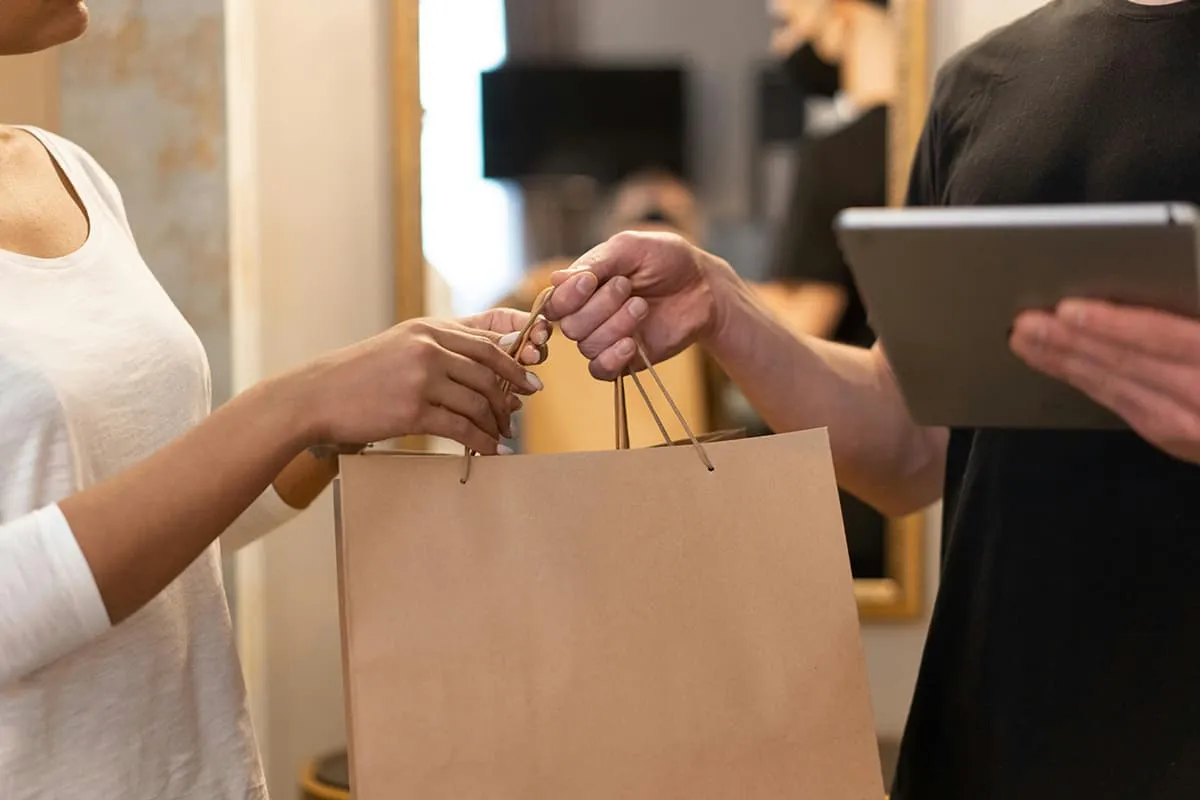

Thinking about launching a food business without the cost of a dine-in space? You're not alone. Delivery-only kitchens—also called ghost kitchens or virtual restaurants—are quickly becoming a popular way to serve food without the hassle of managing tables, servers, and large dining rooms. But even though you’re skipping the front-of-house setup, you’ll still need a solid foundation behind the scenes.
If you want to start strong and avoid avoidable mistakes, this checklist will help you get everything in place, so you can focus on making great food and getting it into customers’ hands fast.
1. Lock In Your Packaging, Prep Tools, and Essentials
When your entire business model depends on food traveling from your kitchen to a customer’s doorstep, the right supplies are everything.
First, make sure you’ve got sturdy, leak-proof containers for every type of dish on your menu. Hot meals need insulated or vented containers to stay fresh. Cold items like salads or desserts should be packed in secure, clear containers that keep everything in place. You'll also want beverage containers, disposable utensils, napkins, and even tamper-proof labels for added safety.
And don’t forget about the behind-the-scenes gear—prep tools, gloves, storage containers, and cleaning supplies all play a big role in keeping things smooth and sanitary.
If you're looking for a one-stop source for everything from durable food containers to janitorial products and restaurant equipment, Foodware Express is worth checking out. They offer fast, reliable shipping, a wide product range, and free shipping on orders over $99. For delivery-only kitchens, having access to fully stocked inventory without delays can make a big difference.
2. Choose a Concept That Works for Delivery
Your menu doesn't need to be fancy. It just needs to travel well.
Some foods don’t hold up after 20 minutes in a car or bike. Soggy fries, wilted greens, and separated sauces are delivery nightmares. Stick to dishes that keep their texture, temperature, and flavor during transit. Bowls, wraps, baked items, and stir-fries tend to be more delivery-friendly than elaborate plated meals.
Keep your ingredients simple and your prep efficient. You’ll thank yourself later when orders start rolling in during peak hours.
3. Pick the Right Kitchen Setup
You don’t need a storefront, but you do need a kitchen that meets local codes.
Some new food entrepreneurs choose a shared commercial kitchen. Others lease space in a ghost kitchen facility designed for delivery-only operations. If you're planning to use your own kitchen, make sure it’s zoned correctly and approved by your local health department.
You'll need basics like food-safe counters, proper refrigeration, sinks, ovens or stoves, and ventilation. Starting with secondhand or lightly used equipment can help you stay within budget while still meeting health and safety standards.
4. Set Up Ordering + Delivery Systems
There’s more than one way to accept orders. Many new food businesses start with third-party apps like Uber Eats, DoorDash, or Grubhub. These platforms help you get noticed but charge commission fees. If you want to keep more profit, setting up your own online ordering system through your website can be a smart long-term move.
Make sure your POS system integrates easily with your kitchen setup. The last thing you want is missed tickets or clunky order management.
As for delivery, decide whether you’ll use your own drivers or stick with third-party services. In-house delivery offers more control, but it also means hiring, training, and scheduling. Either way, your food should always arrive in clean, secure packaging that reflects your brand.
5. Get Your Brand and Menu Just Right
You don’t need to hire a marketing agency, but you do need a clear, easy-to-remember brand.
Choose a name that fits your concept and won’t confuse customers. Your logo should be simple and readable. When it comes to your menu, start small. Offer a few key items and test how they sell. It's easier to expand later than to scale back.
Use real photos of your dishes, not stock images. Customers order with their eyes, especially on food delivery apps. Include short, honest descriptions and highlight any dietary notes like “gluten-free” or “vegetarian.”
6. Stock Up on Cleaning and Safety Supplies
Even if no customers walk through your door, you’re still expected to follow health and safety rules.
Your kitchen should be spotless. Set up a cleaning routine for counters, sinks, floors, and high-touch surfaces. Stock items like gloves, sanitizer, paper towels, trash bags, and food-safe cleaning sprays.
Use hairnets or caps, wash your hands often, and change gloves between tasks. Label all food containers with prep dates and use-by info. These habits build trust with customers, even if they never see them happening.
If you ever face a surprise inspection, you’ll be ready.
7. Plan for Inventory and Restocking
Running out of key items in the middle of a busy shift is a headache you don’t need.
Create a basic inventory tracking system. You can use a simple spreadsheet or an app—just make sure you know what’s running low before it’s gone. Set reorder points for items you use every day, like containers, cleaning supplies, or condiments.
When you’re just starting out, avoid over-ordering. It’s better to restock weekly in small batches than to waste money on supplies you might not use right away.
Over time, your ordering patterns will become more predictable, and you’ll save both time and money.
Launching a delivery-only food business is exciting, but it takes planning. From packaging to prep, from branding to delivery, every detail plays a role in how customers experience your food.
Start small, stay organized, and take it one day at a time. With the right tools and suppliers in your corner, you’ll be set up to grow, without the stress of running a full-service restaurant.
Ready to take the leap? Check everything off this list, and you’re already halfway there.

There aren't any comments left behind yet you can be the very first to comment!