

Getting a picky eater to try something new can feel like an endless challenge. One day, your child happily eats carrots. The next, those same carrots are pushed to the edge of the plate. Meanwhile, you're left wondering whether they're getting enough nutrients from their limited food choices.
Fortunately, healthy eating doesn't have to mean elaborate recipes or constant negotiations at the dinner table. Small changes to familiar meals can introduce more nutrients without making food a daily source of frustration. From simple ingredient swaps to creative cooking techniques, there are plenty of ways to make nutritious food more appealing to selective eaters.
Why Do Children Become Picky Eaters?
Picky eating is common during early childhood, particularly when toddlers begin developing stronger preferences and independence. Children may reject unfamiliar foods because of their appearance, smell, flavor, or texture. Some prefer crunchy foods, while others are more comfortable with soft, smooth textures.
According to the Centers for Disease Control and Prevention (CDC, 2026), young children may need eight to ten exposures to a new food before they're willing to try it. That means refusing broccoli today doesn't necessarily mean your child will dislike it forever. The key is patience. Offering small portions regularly, without pressure, helps children become more familiar with different foods.
Focus on Nutrients, Not Just Food Groups
When children eat a limited selection of foods, it's helpful to consider which nutrients their usual meals provide. Protein, iron, calcium, healthy fats, and B vitamins all contribute to normal growth and development. For example, iron helps transport oxygen throughout the body, while folate supports healthy cell formation. Foods containing these nutrients include beans, leafy greens, eggs, meat, and fortified grains (National Institutes of Health [NIH], n.d.-a, n.d.-b).
Understanding the role of different nutrients can make everyday meal planning easier. B vitamins, folate, and vitamin D contribute to various functions involved in children's growth and development. Families can learn more about these nutrients and their roles in children's health through resources available only from Fenix Health Science.
Make Familiar Meals More Nutritious
One of the easiest ways to introduce nutrients is by adapting dishes your child already enjoys.
Add Vegetables to Pasta Sauces
Pasta is a favorite in many households, making it an excellent starting point. Try adding finely grated carrots, zucchini, or cooked lentils to homemade tomato sauce. Alternatively, blend roasted vegetables into the sauce for a smoother consistency. Carrots provide beta-carotene, which the body converts into vitamin A, while lentils contribute protein, fiber, and iron. Start with a small amount of an unfamiliar ingredient and gradually adjust the recipe.
Make Breakfast Work Harder
Breakfast offers another opportunity to introduce nutritious ingredients. Instead of serving plain toast every morning, try whole-grain toast with scrambled eggs or nut butter, where age-appropriate and allergy-safe.
Other simple ideas include:
- Oatmeal topped with mashed banana and cinnamon.
- Plain yogurt mixed with soft berries.
- Whole-grain pancakes containing mashed banana.
- Scrambled eggs with finely chopped spinach.
Give Homemade Snacks a Nutritional Twist
Children often enjoy foods they can hold and eat independently. Homemade muffins, mini pancakes, and savory egg bites can incorporate ingredients such as oats, grated vegetables, or fruit. For example, banana and oat muffins offer a practical alternative to heavily sweetened packaged snacks. Keep added sugar modest, and prepare foods in shapes and textures appropriate for your child's age.
Introduce New Foods Alongside Familiar Favorites
Serving an unfamiliar food on its own can sometimes make children reluctant to try it. Instead, pair something new with a food your child already accepts. If chicken nuggets are a favorite, serve them with a small portion of roasted sweet potato wedges. If your child enjoys rice, add a few peas alongside it.
The American Academy of Pediatrics (AAP, n.d.) recommends including at least one familiar food at meals while continuing to offer variety. Importantly, children shouldn't feel pressured to finish everything on their plates. The AAP describes a useful feeding principle as "Parent Provides, Child Decides" (AAP, 2021). Parents determine which foods are offered and when, while children decide how much to eat. This approach encourages healthy eating habits without turning mealtimes into battles.
Experiment With Different Textures and Cooking Methods
Sometimes, children dislike how a particular food is prepared rather than the ingredient itself. A child who refuses steamed broccoli might prefer lightly roasted broccoli with a crispier texture. Similarly, someone who dislikes boiled carrots may enjoy grated carrots mixed into a pancake batter. Try changing the preparation method before removing an ingredient from the menu entirely.
Other possibilities include serving vegetables with a yogurt-based dip, turning potatoes into homemade wedges, or offering fruit in different shapes. For younger children, always adapt textures and portion sizes to reduce choking risks. Hard raw vegetables and other firm foods may require cooking or cutting into safer forms.
Let Children Help Prepare Their Food
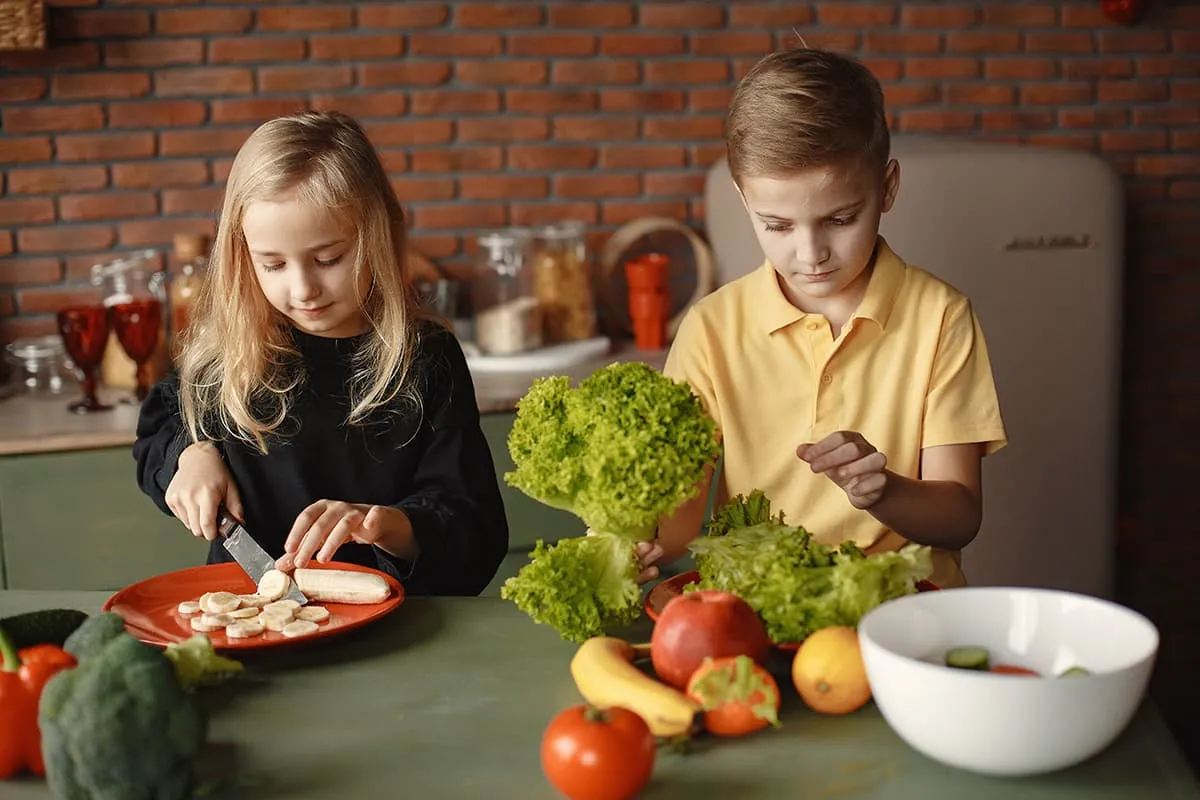
Getting children involved in cooking can make unfamiliar ingredients less intimidating. Even simple kitchen activities offer opportunities to become comfortable with new foods. Younger children might wash vegetables, tear lettuce, or stir pancake batter. Older children can help measure ingredients, assemble wraps, or choose vegetables for dinner.
The USDA Food and Nutrition Service (2018) recommends allowing children to participate in food selection and preparation as a positive approach to picky eating. Visiting a grocery store together can also help. Let your child choose between two vegetables or select a fruit they've never tasted. They may not eat their chosen ingredient immediately, but handling and preparing it can be a useful first step.
Create a Consistent Mealtime Routine
What happens around the dinner table matters almost as much as what's on it. Frequent snacking immediately before meals can reduce appetite, while pressure to eat may increase resistance. The NHS (n.d.) recommends avoiding force-feeding and keeping mealtimes enjoyable.
Aim for regular meals and planned snacks, allowing children to arrive at the table with an appetite. Eating together also provides an opportunity to demonstrate healthy habits. Children can observe adults enjoying vegetables, trying unfamiliar ingredients, and eating a variety of foods. If your child refuses something, calmly remove it and offer it again another day.
When Should Parents Seek Professional Advice?
Most children go through phases of selective eating, but some eating difficulties require additional attention. Speak with a pediatrician or qualified dietitian if your child is losing weight, isn't growing as expected, struggles to chew or swallow, or eats an extremely restricted range of foods.
Cambridgeshire and Peterborough Children's Health Services (2025) identifies these concerns as reasons to seek professional guidance. A healthcare professional can assess growth, eating patterns, and possible nutritional deficiencies before recommending appropriate next steps.
Conclusion
Helping picky eaters develop healthier food habits takes patience, creativity, and consistency. Start by making small adjustments to familiar recipes, introducing new ingredients gradually, and involving children in food preparation. Keep offering different flavors and textures without expecting immediate acceptance.
Most importantly, remember that nutritional variety develops over time. A refused vegetable or unfinished dinner doesn't define your child's overall eating habits. With a relaxed approach and a few practical cooking ideas, everyday family meals can become more nutritious and enjoyable for everyone.
References
American Academy of Pediatrics. (2021). Preschooler food and feeding. American Academy of Pediatrics.
American Academy of Pediatrics. (n.d.). How do I help my picky eater try more healthy foods? HealthyChildren.org.
Cambridgeshire and Peterborough Children's Health Services. (2025). Fussy eating. NHS.
Centers for Disease Control and Prevention. (2026, April 14). Picky eaters and what to do.
National Health Service. (n.d.). Fussy eaters.
National Institutes of Health, Office of Dietary Supplements. (n.d.-a). Folate: Fact sheet for consumers.
National Institutes of Health, Office of Dietary Supplements. (n.d.-b). Iron: Fact sheet for consumers.
U.S. Department of Agriculture, Food and Nutrition Service. (2018). Healthy tips for picky eaters (FNS-455).






There aren't any comments left behind yet you can be the very first to comment!