
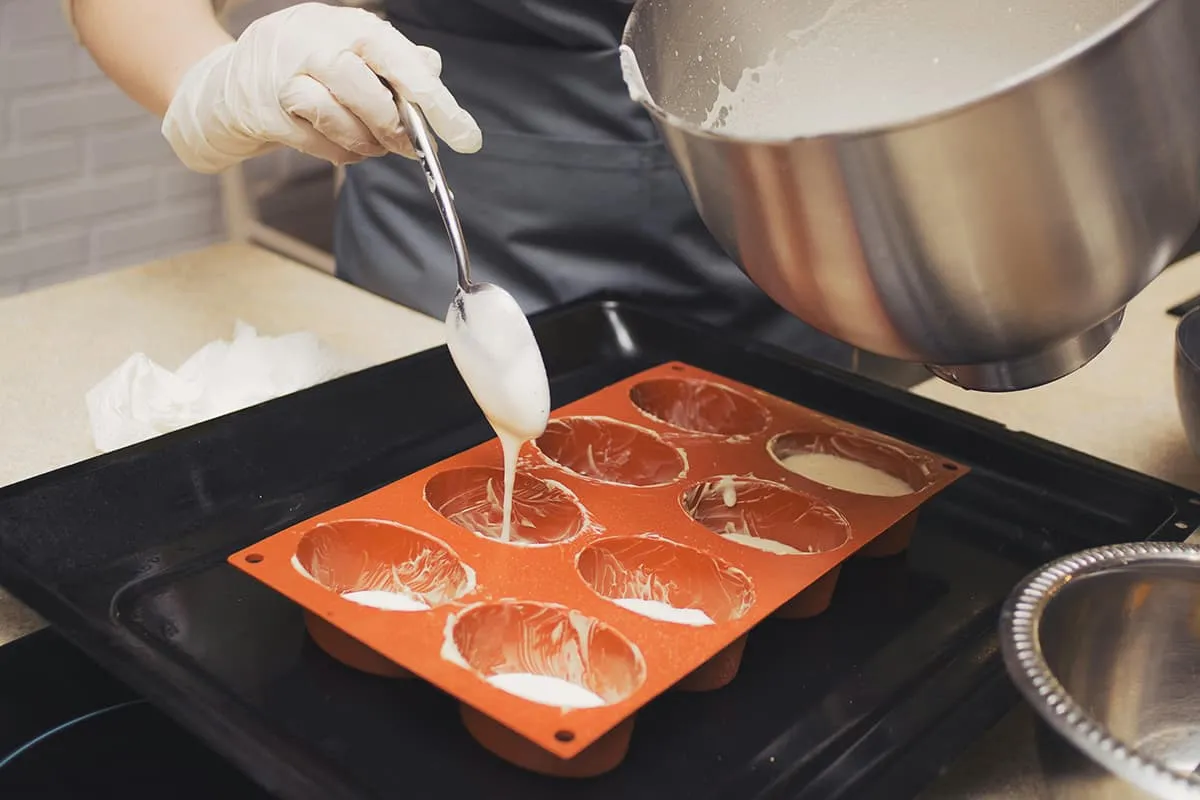

Businesses across industries continue to shift from plastic to silicone molds, and this change reflects more than just a passing trend in manufacturing. Companies that produce medical devices, consumer products, and food-grade items need materials that can withstand demanding production environments while maintaining safety standards and cost efficiency over time.
Silicone molds offer superior performance in durability, temperature resistance, and product quality compared to traditional plastic alternatives, which explains why more manufacturers adopt them for their production needs.
The decision to choose silicone over plastic involves several practical factors that directly affect production outcomes and bottom-line results.
Manufacturers must consider how their molds perform under stress, how long they last before replacement becomes necessary, and whether they meet industry regulations for safety and quality. Silicone addresses these concerns through its unique material properties that plastic simply cannot match in many applications.
This shift toward silicone reflects a broader understanding of total cost of ownership rather than just initial purchase price. Businesses evaluate molds based on their ability to maintain consistent output, resist damage from heat and chemicals, and reduce production errors that lead to waste. The following sections explore the specific advantages that make silicone molds a practical choice for companies that prioritize long-term value and reliable performance in their manufacturing processes.
Superior durability for long-term use
Silicone molds outlast plastic options by a significant margin. The material resists tearing and retains its shape and details through repeated use. Businesses that invest in customized silicone molds find they can produce hundreds or even thousands of parts from a single mold.
Plastic molds tend to crack, warp, or degrade after moderate use. In contrast, silicone maintains its structural integrity even under stress. This difference becomes particularly noticeable in production environments where molds face constant cycles of use and cleaning.
The tear resistance of silicone allows it to flex repeatedly without damage. Plastic alternatives often develop small cracks that grow larger over time. These defects lead to imperfect products and force companies to replace molds more frequently.
Businesses save money in the long run because silicone molds require fewer replacements. The initial cost may be higher, but the extended lifespan reduces overall expenses. Production teams also waste less time swapping out worn molds for new ones.
Exceptional resistance to extreme temperatures
Silicone molds handle temperature extremes far better than plastic alternatives. They can withstand temperatures from around -40 degrees Fahrenheit up to 450 degrees Fahrenheit without losing their shape or breaking down. This wide temperature range makes them suitable for applications that involve both freezing and high heat.
Plastic molds simply cannot match this performance. Most plastic materials begin to warp, melt, or release harmful chemicals at temperatures that silicone handles easily. This limitation forces businesses to use multiple types of molds for different temperature requirements, which increases costs and complexity.
The molecular structure of silicone gives it this superior heat tolerance. Unlike plastic, silicone maintains its flexibility and strength even after repeated exposure to extreme temperatures. Businesses appreciate that they can move silicone molds directly from freezers to ovens without any concerns about damage or deformation.
This temperature versatility translates into practical benefits for manufacturers. They can use the same molds for processes that require heating, cooling, or both. The result is fewer mold purchases and less downtime between production cycles.
Flexibility that reduces breakage and eases mold removal
Silicone molds bend and flex in ways that plastic simply cannot match. This flexibility allows workers to pop out finished products without stress or force. The material gives way gently around delicate edges and intricate details, which protects both the mold and the product from damage.
Plastic molds are rigid and often require extra effort to release items from their cavities. As a result, products may crack or chip during removal, particularly those with complex shapes or thin sections. Silicone's natural give solves this problem by bending away from the product rather than resisting it.
The soft, pliable nature of silicone also reduces wear on the molds themselves. Because businesses can twist and manipulate the material without causing stress fractures, these molds last longer than their plastic counterparts. This durability translates to fewer replacements and lower costs over time, which makes silicone a smart investment for production operations.
Chemical stability ensuring consistent product quality
Silicone molds maintain their chemical structure even under harsh conditions that would break down plastic alternatives. The material resists reactions with most chemicals, acids, and solvents that businesses commonly use in production processes. This stability means the molds do not leach unwanted substances into products or degrade over time from exposure to cleaning agents.
Manufacturers who work with food, medical devices, or cosmetics particularly value this property because it prevents contamination. Plastic molds can release particles or chemicals that compromise product purity, especially with repeated use or exposure to heat. Silicone's inert nature protects the final product from such issues.
The consistent performance of silicone across multiple production cycles helps businesses maintain quality standards. Products come out with the same specifications batch after batch because the mold itself does not change or deteriorate chemically. This reliability reduces waste and keeps production costs predictable for companies that need precise results every time.
Enhanced food safety compliance for consumer goods
Food-grade silicone meets strict regulatory standards that plastic alternatives often struggle to achieve. The material complies with FDA, LFGB, and REACH regulations, which means businesses can confidently use it for products that directly contact food. Silicone remains stable across extreme temperatures without releasing harmful chemicals into food products.
Traditional plastic kitchenware contains compounds that can leach into consumables and pose health risks to users. In contrast, food-grade silicone is non-toxic and does not degrade under heat or cold conditions. This stability protects both manufacturers and consumers from potential contamination issues.
Businesses that produce items like baking molds, food storage containers, or kitchen utensils benefit from silicone's proven safety record. The material undergoes rigorous testing for purity before production begins. These quality assurance measures help companies avoid costly recalls and maintain their reputation in the market.
Consumer awareness of food safety has grown significantly in recent years. Silicone products address these concerns effectively by providing a verifiable, safe alternative to conventional plastics.
Conclusion
Businesses continue to select silicone molds over plastic alternatives because they offer better long-term value and performance across multiple industries. Silicone provides superior durability, flexibility, and heat resistance, which makes it suitable for high-volume production needs. The material also supports environmental goals since it lasts longer and reduces waste compared to plastic options. These practical benefits explain why companies in healthcare, food production, and consumer goods prefer silicone for their molding needs.

There aren't any comments left behind yet you can be the very first to comment!