
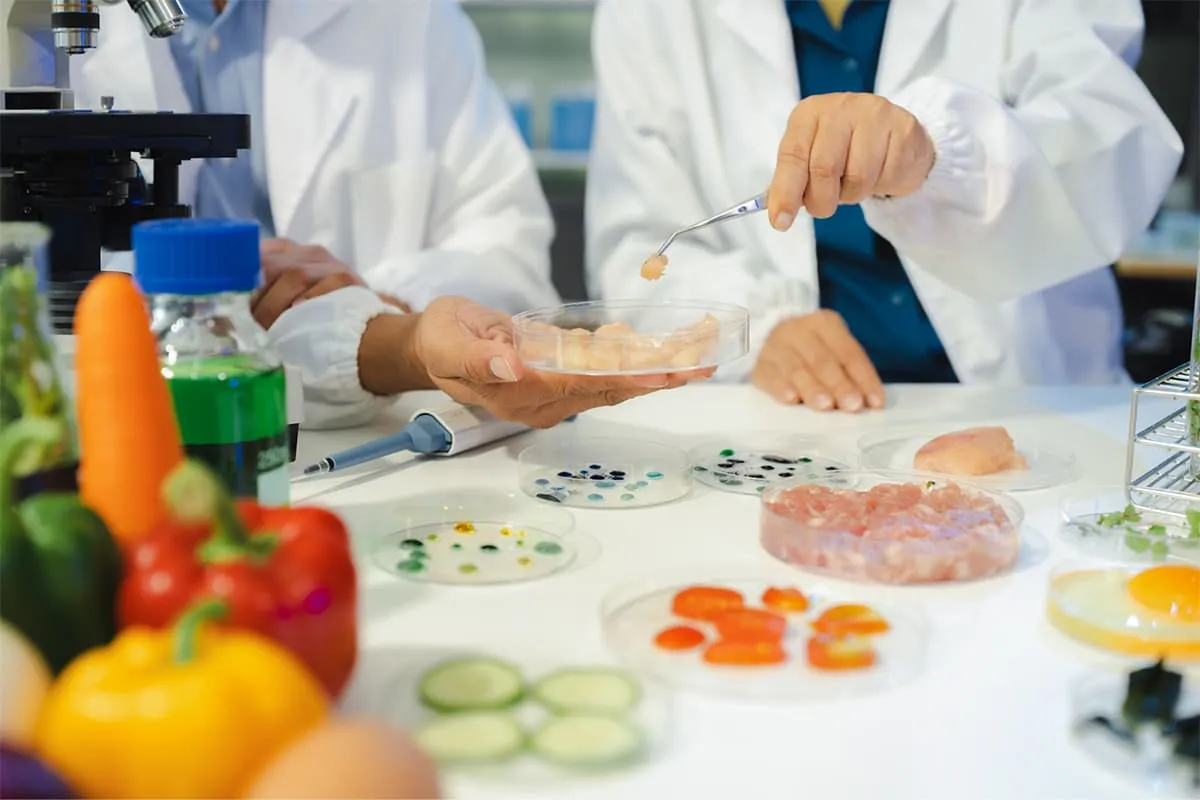

The average home cook is a bit curious these days. It used to be that when choosing a loaf of bread or a container of yogurt, we made quick decisions based on price and taste. Now, it seems we’re more likely to read the fine print, too. What’s inside? More protein? Added fiber? Probiotics? Extra vitamins? The next time we sit down to supper, we want to be sure we’re feeding our bodies, not just our appetites.
This new awareness of functional nutrition is influencing how we fill our grocery carts and, ultimately, what we eat for dinner. Working behind the scenes to produce new products that offer a little bit more is your dependable food ingredient supplier.
Welcome to food’s new functional era. The next bite may be followed by a bonus.
Your Pantry Is Getting Smarter
Open up someone’s pantry today, and you’ll likely find foods that don’t just serve one purpose. Breakfast cereal doesn’t just give you a morning meal. It nourishes you with vitamins. Snack bars don’t just offer a quick bite. They provide additional protein to boot. Your bottled drink isn’t just about helping you rehydrate.
All of this is a reflection of decades of research that shows feeding our bodies nutrients is also how we create the environment we need in support of our overall health.
Today, instead of taking everything in pill form, many of us prefer to receive our nutrients from the foods we’re already eating. A bowl of oatmeal with added fiber; a smoothie made with plant protein. Food-has-enhanced-food: It fits into our everyday health journeys.
For families looking to incorporate more nutrients into the schedule, it’s an easy way to fill your day with a little extra nourishment without making any changes to your eating habits.
Fortified Foods Are Making a Comeback
Fortified foods may not be new to the block, but the latest editions look different than the original. In place of so-called “kid stuff” foods with two vitamins thrown in to make them look healthy, today’s fortified foods often present a mix of vitamins, minerals and other nutrients suitable to various lifestyle needs.
Examples include foods geared towards supporting healthy bones, fortified with both calcium and vitamin D, or supporting an active lifestyle by adding in iron, B-vitamins, and/or omega-3 fatty acids.
Because shoppers are more label-savvy, they look for products with some basic addition of nutritional value, not just something that has an ingredient added to make it look good on a commercial.
End result? Foods that we all have come to love and rely on are even more valuable in a way that we never suspected.
Tiny Ingredients With Big Potential
One of the most exciting areas of new food development is the emergence of bioactive ingredients. Naturally occurring chemical compounds in foods like fruits, vegetables, herbs, grains, and other plants may play a role in supporting long-term health.
Polyphenols, flavonoids, carotenoids, plant sterols, and more have been explored for their potential antioxidant and anti-inflammatory benefits, and while they are not instant fixes for any of our health woes, these are the types of effects researchers are currently investigating on our overall wellbeing when eaten as part of a diet rich in plant foods.
And as food development evolves, more and better methods to help retain those compounds during manufacturing are being identified, which in turn is making it easier and more convenient for consumers to continue to eat for health without spending lots of time in the kitchen.
When Food Becomes Part of Prevention
The world is discovering how much better it is to prevent in terms of health, rather than treating illness alone. No substance can replace the benefits of a healthy diet and medical care, but nutrition is one of the few resources most people can take advantage of every day.
That growing sentiment has been one of the factors driving consumer interest in the nutraceuticals space. It doesn’t sit squarely in the food and beverage space, though, but rather in the space between more traditional products and more conventional supplement offerings. Thus, some nutraceutical products are functional beverages, some are protein snacks, others are fermented foods, and some are simply designed to help deliver nutrients to consumers in maybe a more actionable way.
In the most general sense, people want to support and protect their energy, digestion, heart health, and immune system in a preventive manner before anything goes wrong to mess up that lovely system.
This is a basic concept with timeless appeal: eat right today, so you can feel better tomorrow.
Science Is Inspiring the Next Generation of Recipes
Food innovation doesn’t just come from chefs or flavorists anymore. These days, product developers consult nutritionists, food scientists and ingredients companies to make products that taste good and meet the body’s nutritional needs.
In order to innovate, manufacturers need companies like Quimivita that can help them stay ahead of the trends consumers are reading about on social media while also providing the quality products they’re accustomed to.
As new studies come out, foods that line supermarket shelves will become even more personalized, functional, and healthy. For home cooks, that means lots of opportunity to make food that tastes good, feels good, and helps fuel the people we care about.
The future of food is not giving up our favorite recipes. It’s using those recipes to work a little harder for the people we love.



There aren't any comments left behind yet you can be the very first to comment!