


Traditional distilling methods still matter because spirit quality depends on patient control, steady observation, and respect for raw material. Modern systems improve accuracy and safety, yet speed does not guarantee depth, texture, or length. Older practice slows each stage enough for distillers to judge aroma, weight, and balance in real time. Australian whisky regions, particularly Tasmania, continue to prove this point.
That pace protects character from fermentation through maturation. Distilleries such as Sullivans Cove Distillery show how traditional methods, maintained over decades, still hold serious value in the global spirits market. From raw material through to final cask selection, several key stages explain why these approaches continue to matter.
Place Shapes' Flavour
Regional identity becomes clearer when distillers keep close contact with every stage of production. At Sullivans Cove Distillery, the public record points to full-size cask maturation, local conditions, and long practice since 1994. Those details matter because climate, oak, water, and handling leave measurable marks on aroma, structure, and finish. High-output systems can reproduce volume, yet they rarely reproduce that precise sense of origin.
Copper Still Contact
Copper pot stills matter for chemical reasons, not sentiment. During distillation, copper reacts with sulphur compounds that can leave cabbage, rubber, or struck-match notes in the new spirit. Still shape also affects reflux, vapour travel, and condensation. A taller neck can yield a lighter profile, while a broader body may carry more weight. Such differences give distillers genuine control over texture and aroma.
Slow Runs Build Precision
A slower run gives the stillman more room to judge the cut. Heads carry volatile compounds, hearts contain the cleanest spirit, and tails bring heavier oils and rougher notes. Fixed settings help, though they cannot replace direct sensory judgement. Smell, palate, and mouthfeel still guide timing. When distillation moves too quickly, that window narrows, and precision usually suffers.
Fermentation Still Counts
Fermentation sets the flavour map long before spirit reaches copper. Longer runs can produce esters, fatty acids, and congeners that later support fruit, cream, spice, or cereal notes. Yeast health also shapes texture and aromatic lift. Under Australian law, spirit manufacturing requires excise licensing that governs every stage of production. Short schedules may raise output, though they often leave a plainer base. Traditional practice accepts extra time because weak wash cannot become remarkable whisky.
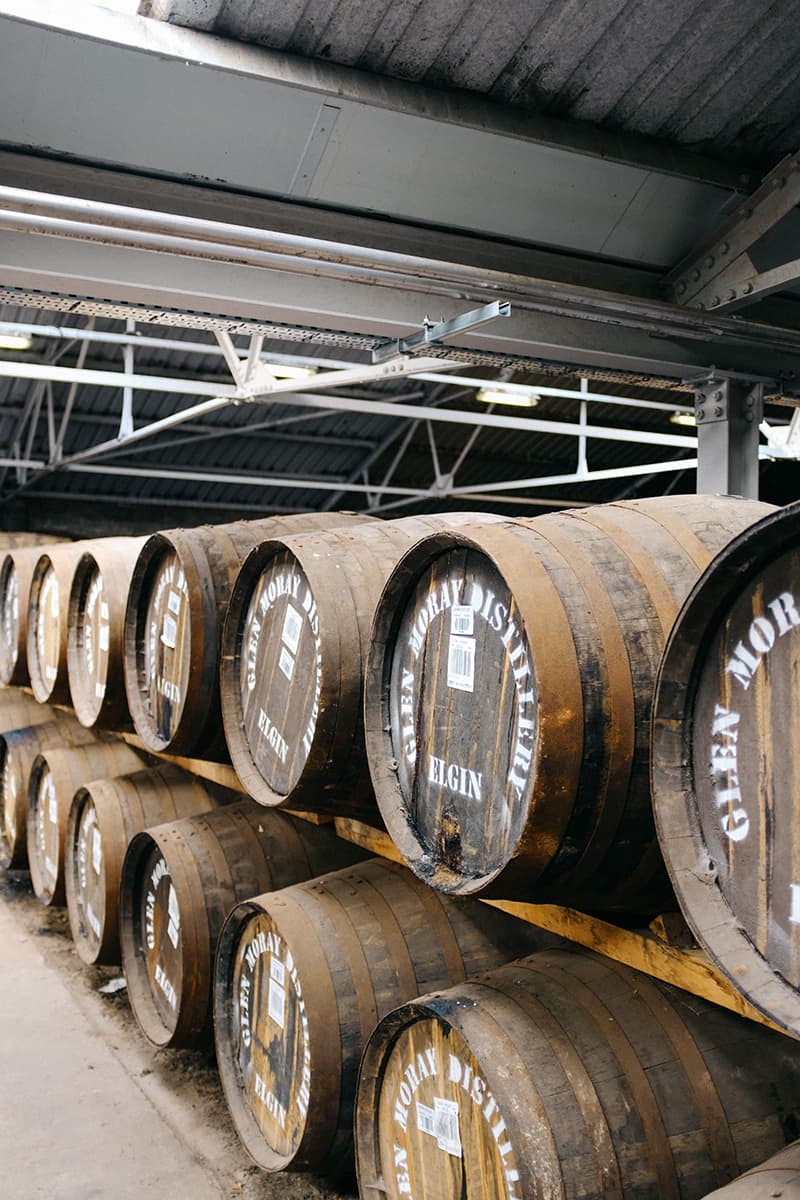
Oak Needs Patience
How spirit interacts with wood over time depends largely on cask size and storage conditions.
Full-Size Barrels Matter
Maturation depends on gradual exchange between spirit, air, and wood. Full-size barrels generally work at a steadier rate than smaller casks, which can push oak influence too hard. That slower interaction helps preserve distillate character while building structure, spice, and length. Distillers then have a broader period for assessing readiness. Time is not decoration here; it is part of the production method.
Sensory Skill Protects Quality
Traditional distilling relies on trained senses as much as instruments. Data can show temperature, strength, and evaporation, yet numbers alone cannot describe harmony or tension in a cask. An experienced team can detect imbalance in new make before it hardens during ageing. Repeated tasting also guides vatting and bottling decisions. That practical memory becomes a serious form of quality control.
Variation Has Value
Uniformity has its place, though total sameness is rarely the highest goal in fine spirits. Traditional methods leave room for slight batch variation, and that variation can reflect season, cask activity, or grain character. Drinkers often respect that honesty. A well-made whisky does not need endless sameness. It needs balance, clarity, and a profile that remains faithful to house character.
Heritage Supports Trust
Older methods also matter because they make quality easier to explain. Long maturation, careful cask selection, and hands-on tasting give people a clear account of how flavour develops. That matters more than polished claims about craft. Medals may attract attention for a season, yet a disciplined process keeps respect for years. Trust grows when a distillery shows how standards are maintained.
Modern Tools Have a Place
Modern technology still serves a useful role in serious distilling. Accurate lab work, improved sanitation, and better record-keeping help teams reduce faults and track consistency. The best producers use those tools without surrendering crucial decisions to automation. Machines can support routine control, while people judge aroma, texture, and cask development. That balance keeps spirit expressive rather than mechanically uniform.
Conclusion
Traditional distilling methods still matter because they protect flavour at points where haste can do lasting harm. Copper contact, careful cuts, extended fermentation, and patient oak ageing each shape the final whisky in ways machinery alone cannot secure. Older practice also keeps human judgement at the centre of production, where trained senses guide difficult decisions. That union of skill, time, and discipline remains fully relevant today.


There aren't any comments left behind yet you can be the very first to comment!