

Picture the scene: you’re sitting down for afternoon tea. The pot is brewing, the china is out, and in the centre of the table sits a familiar, golden-brown round. It’s distinctively paved with concentric circles of blanched almonds, hinting at the zesty, citrus-rich crumb beneath. You know exactly what this is before you even cut a slice. It isn’t just a fruit cake; it’s a Dundee Cake.
For decades, this treat has been as synonymous with Scotland as tartan or shortbread. Yet, despite its name, the Dundee Cake recently found itself at the centre of a bitter-sweet controversy. When local bakers sought to protect their heritage with an official geographical status, the answer they received was essentially: "Sorry, you’re too popular for that."
How can a cake be so iconic that it loses the right to be protected? It’s a strange paradox of food heritage where success is, ultimately, the downfall of exclusivity.
What Actually Is Dundee Cake?
To the uninitiated, fruit cakes can all look somewhat similar - dense, dark, and heavy enough to serve as a doorstop. But a true Dundee Cake is a different beast entirely. It’s lighter, more crumbly, and decidedly zestier than its rich Christmas cake cousins.
The defining feature, visually at least, is the top. You won’t find glacé cherries or heavy icing here. Instead, the cake is decorated with whole blanched almonds arranged in neat, concentric circles. Inside, the flavour profile is dominated by sultanas and, crucially, candied orange peel. It’s a sultana cake with attitude, leaning heavily on the citrus notes that give it a brighter, fresher palate.
It sounds specific, doesn’t it? A cake from Dundee, made with orange peel and almonds. But as we peel back the layers of history, the definition becomes a little crumbly.
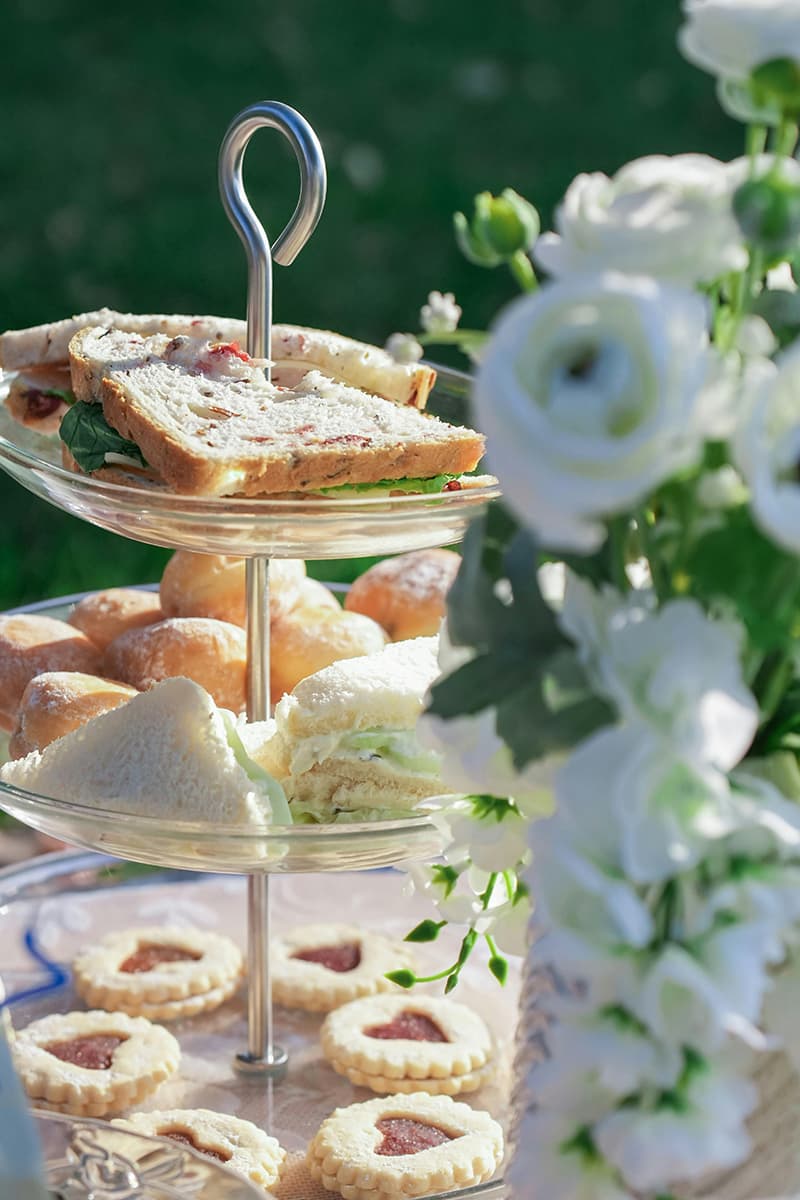
The Dundee Cake remains a stalwart of the British afternoon tea table. It doesn't need a government label to tell you it’s delicious. It just needs a pot of tea, a sharp knife, and perhaps a debate over whether you save the almond for last or eat it in the first bite.
Marmalade, Myths, and Mary Queen of Scots
The story of Dundee Cake is inextricably linked to another of the city’s great exports: marmalade.
The Keiller Connection
In the 18th century, Janet Keiller is credited with creating the first chip marmalade in Dundee. Legend has it that her husband, a grocer, bought a cargo of Seville oranges from a Spanish ship sheltering from a storm. The oranges were too bitter to eat raw, so Janet boiled them with sugar, creating the preserve we know today.
This marmalade industry boom created a surplus of candied peel and citrus by-products. Naturally, the thrifty and ingenious bakers of Dundee needed a vehicle for these leftovers. The result was a fruit cake that moved away from the heavy spices of the medieval era and embraced the sharp, sweet tang of orange. The Keiller company eventually mass-produced the cake, cementing the city's association with the recipe.
The Royal Cherry Hater
However, folklore offers a more regal origin story, dating back much further than the Keillers. It’s widely whispered in Scottish kitchens that the cake was originally baked for Mary, Queen of Scots in the 16th century.
As the story goes, the tragic Queen had a particular aversion to glacé cherries - a staple in fruit cakes of the time. To appease her royal palate, her bakers created a version using blanched almonds instead of cherries. Whether this is historical fact or a romantic Victorian invention is up for debate, but it highlights how deeply food is woven into our cultural storytelling. We love to believe our afternoon snack has a royal seal of approval.
The Battle for the Badge: Understanding the PGI Bid
Fast forward to the 21st century, and the bakers of Dundee faced a problem. Their famous cake was being baked everywhere - from supermarket chains in Surrey to industrial bakeries in Yorkshire - and labelled as "Dundee Cake."
To combat this, a group of local producers launched a bid for Protected Geographical Indication (PGI) status.
What is PGI?
In plain terms, PGI is a legal stamp that links a product to a specific place. It’s the reason you can’t call sparkling wine "Champagne" unless it comes from the Champagne region of France. It protects traditional recipes and ensures that consumers are getting the "real deal" while boosting the local economy.
The goal was simple: to ensure that anything sold as "Dundee Cake" had to be baked in Dundee (or the immediate surrounding area). It seemed like a slam dunk. After all, the city is in the name.
The Timeline of Hope
The application process was long and winding. Discussions began seriously around 2014. The bakers argued that the specific expertise, the water, and the historical lineage made the Dundee-made version superior and distinct. They wanted to protect the method: the specific ratio of sultanas, the Amontillado sherry, the orange zest, and, of course, the mandated absence of cherries.
Rejected: When a Cake Becomes "Too Generic"
After years of wrangling, the Department for Environment, Food and Rural Affairs (Defra) delivered the final verdict. The bid was rejected.
The reason? The name "Dundee Cake" had become generic.
This is the double-edged sword of culinary fame. Defra ruled that the term no longer indicated a product's geographical origin to the consumer; instead, it simply described a type of cake. In the eyes of the law (and arguably the public), a Dundee Cake baked in Bristol is just as valid as one baked in Dundee, provided it follows the general recipe of sultanas, peel, and almonds.
There were also significant objections from major UK bakeries outside Scotland. They argued that they had been baking "Dundee Cake" for decades. Tostop now, or to be forced to rename their best-selling products "Fruit and Almond Cake," would be unfair and commercially damaging.
The ruling highlighted a fascinating tension: at what point does a regional speciality become national property? The bakers of Dundee had done such a good job exporting their culture that they lost ownership of it.
The Ones Who Made the Cut: Scottish PGI Success Stories
The rejection stings even more when you look at the Scottish larder. Scotland is brimming with PGI-protected foods. Why did they succeed where the cake failed?
Stornoway Black Pudding
This is perhaps the gold standard of Scottish PGI. To carry the name, this black pudding must be made in the town of Stornoway on the Isle of Lewis. The status was granted because the pudding is intrinsically linked to the crofting traditions of the island. It wasn't just a recipe; it was a way of life specific to that rugged geography.
Arbroath Smokies
Just up the road from Dundee lies Arbroath, home of the Smokie (haddock smoked over hardwood fires). This product has PGI status because the specific method of smoking - in pits, often in back gardens or traditional smokehouses - is unique to a tiny geographical area. You cannot replicate the "terroir" of an Arbroath smoking pit in a factory in London.
Other Notable Mentions
- Scotch Beef & Lamb: Protected due to the specific quality of the livestock and the grazing land of Scotland.
- Orkney Scottish Island Cheddar: Linked to the specific milk and traditional methods used on the Orkney Isles.
- Ayrshire New Potatoes: Protected because the soil and climate of Ayrshire allow these potatoes to be harvested earlier than others.
Why Them and Not the Cake?
The difference lies in the process versus the recipe. You can’t make an Arbroath Smokie without an Arbroath smoke pit, and you can’t make Scotch beef without Scottish grass.
But you can make a Dundee Cake anywhere. The ingredients - flour, butter, sugar, sultanas, almonds, orange peel - are shelf-stable commodities available globally. The process of creaming butter and sugar doesn’t change depending on whether you’re in Tayside or Cornwall. The link to the land was deemed too weak, and the recipe too widespread.
Who Owns a Tradition?
The rejection of the Dundee Cake PGI bid opens up a broader conversation about heritage. Who owns a tradition?
On one hand, it feels unjust. The city of Dundee gave the world this cake. It bears the city’s name. Surely, the local bakers who have kept the flame alive for centuries deserve recognition and protection from mass-produced imitations.
On the other hand, isn't imitation the sincerest form of flattery? The fact that Dundee Cake is baked in kitchens across the Commonwealth is a testament to its quality. It’s transcended its origins to become a shared cultural icon. If we restricted the name, we might save the "authenticity," but we might also kill the widespread love for the cake.
Food identity is shaped by story, place, and taste. In the case of Dundee Cake, the story (Mary Queen of Scots) and the taste (citrus and almonds) survived, but the place got lost in the mix.
So, next time you see a Dundee Cake on the shelf - whether it was baked in a craft bakery on the banks of the Tay or a factory in the Midlands - spare a thought for its journey.
It’s a cake that rose from the thrifty use of marmalade leftovers to the tables of queens. It’s a cake that tried to claim its birthright and was told it belonged to everyone. While the bakers of Dundee may not have the legal stamp they desired, they have something perhaps more powerful: a legacy.