
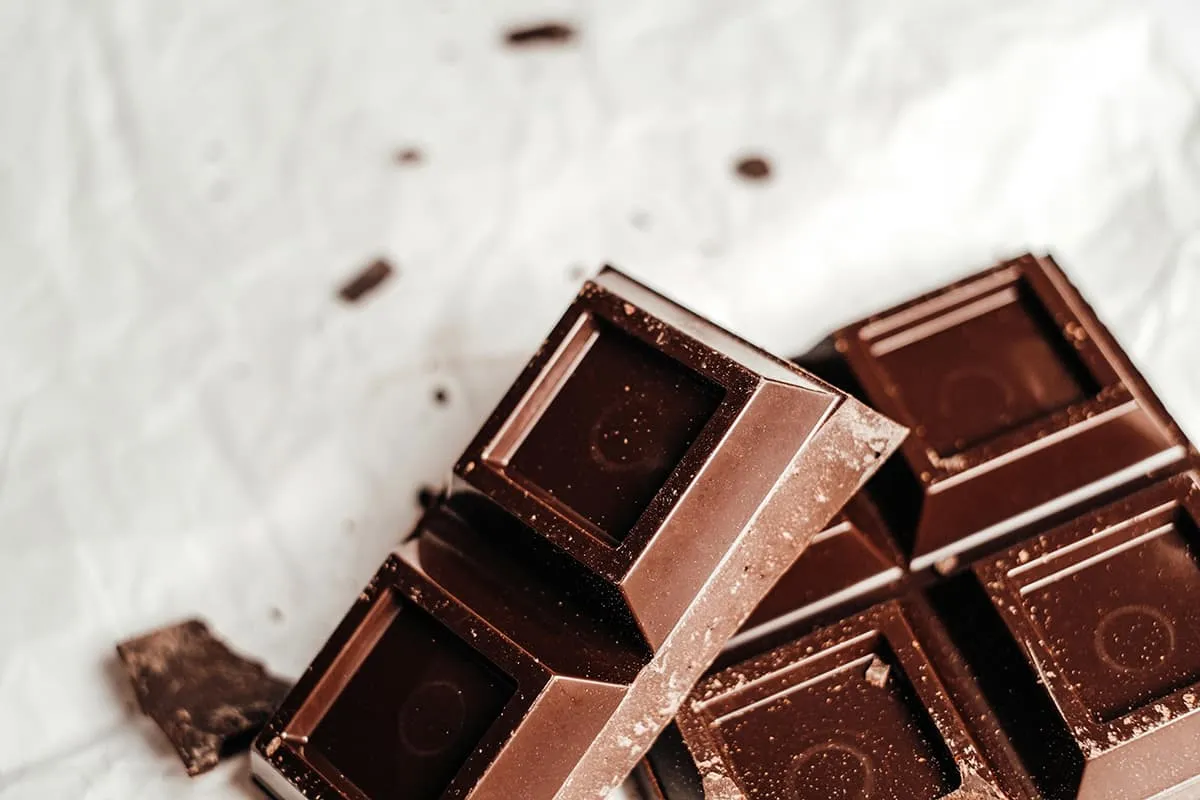

We’ve been using cacao as an ingredient for over 5,300 years, and scientists still study it to understand why we crave this specific bean. When you stand in the baking aisle staring at a 54% bar versus a 72% bar, you aren't just looking at a sweetness scale.
You are looking at a mathematical breakdown of cocoa solids and cocoa butter that will dictate whether your brownies are fudgy or crumbly.
Decoding Cacao Percentages
Cacao percentage represents the total weight of the cocoa bean, both the dry solids and the natural fat, compared to added ingredients like sugar and vanilla. A 70% bar contains 70% bean and 30% sugar, while a 50% bar is half sugar by weight. Understanding this ratio is the secret to moving from a home baker to a pastry professional.
The Science of Cocoa Solids
Cocoa solids are the powerhouses of flavor, containing the intense antioxidants and caffeine that give dark chocolate its signature bite. As the percentage climbs, the sugar content must drop to accommodate these solids, resulting in a more bitter profile. This shift does more than change the taste; it physically alters the moisture levels in your batter.
Cocoa solids act like flour because they absorb liquids and provide structure to baked goods. If you swap a low-percentage chocolate for an 85% variety, you are essentially adding extra "dry" ingredients to your recipe.
Many bakers find that Purdys Chocolate offers a balanced profile that maintains moisture while delivering that deep, sophisticated cacao hit. More importantly, each of its products is thoroughly labeled to show exactly how much cocoa solids it contains, so there’s no confusion.
Higher percentages also mean a higher concentration of cocoa butter, the natural fat that allows chocolate to melt into a silky pool. While solids provide the "walls" of your cake, the butter provides the "windows" or the smooth mouthfeel. Balancing these two is the primary challenge of any high-end chocolate formulation in 2026.
Adapting Recipes for High Percentages
Swapping chocolates isn't as simple as a one-to-one trade because the chemistry changes with every 10% jump. When you move from a 60% semisweet to a 72% bittersweet, you remove roughly 2 tablespoons of sugar per bar. To keep your dessert from tasting like a coffee bean, you may need to add a touch of granulated sugar back manually.
Structure is the second hurdle, as high-cacao chocolate can make a mousse or ganache seize if handled incorrectly. High-percentage bars have so much cocoa butter that they require more liquid to stay emulsified. If your ganache looks oily or "split," it is usually because the fat content of your cream exceeds the water content.
Bakers follow these guidelines to keep their textures consistent:
- Use a 1:1 ratio of cream to 60% dark chocolate for a standard pourable ganache
- Increase the cream to a 1.5:1 ratio when working with chocolates exceeding 80% cacao
- Add an extra egg yolk to recipes using 90% cacao to compensate for the drying effect of the extra solids
It matters because the chemistry is vital, and cacao knowledge turns a hobby into mastery. Following these ratios ensures that your ganache remains stable and shiny rather than dull and grainy.
Viscosity and the Perfect Melt
Viscosity refers to how thick or thin chocolate becomes once fully melted. High-percentage chocolates often have lower viscosity because they contain more cocoa butter, which melts at body temperature. This makes them ideal for dipping and enrobing, as they create a thin, crisp shell rather than a thick, waxy coating.
When baking brownies, a 70% cacao bar will melt more completely into the butter, creating a dense, truffle-like interior. Conversely, milk chocolates (often 30-45%) contain milk solids that can interfere with the "snap" and result in a softer, chewier texture. Modern trends in 2026 suggest that consumers now prefer higher-percentage chocolates for their natural fruit and spice notes.
If you are making a simple chocolate glaze, the percentage determines the final sheen. A 60% chocolate provides a reliable, sweet finish, while a 75% chocolate offers a mirror-like surface that stays firm at room temperature. Choosing the right percentage is about matching the chocolate's physical properties to the desired outcome of the dish.
The process of producing chocolate is incredibly scientific in its own right, so reading research can provide a basis for your own understanding of how to cook with it. The more you know, the more likely you’ll find your recipes succeeding.
Mastering the Cacao Scale
The journey through the cacao scale is a path toward more complex, less sugary desserts. While 100% cacao is strictly for the boldest applications, like savory moles or extreme tempering, the 65-75% range is the "sweet spot" for most professional recipes. It provides enough sugar to be palatable while allowing the bean's origin to shine through.
Experimenting with different percentages allows you to control the exact sweetness of your kitchen creations. By understanding that cacao percentage is a ratio of bean to sugar, you gain the freedom to manipulate any recipe to suit your palate. You are no longer a slave to the back of the bag; you are the architect of the flavor.
Our site is crammed with more food advice and guidance, so stay put and read the other posts we’ve published if this overview of cacao percentages has got your taste buds tingling.
There aren't any comments left behind yet you can be the very first to comment!